Fall Apple Harvest
Southern Apple Orchards Celebrate Strong Harvests and Multigenerational Farming Traditions
Anonymous
Key Points
1
Henderson County is described as North Carolina’s leading apple-producing county and one of the top 20 apple-producing counties in the United States; Stepp’s Hillcrest Orchard has been part of the region’s U-pick tradition for nearly six decades.
2
Stepp’s Hillcrest Orchard’s attractions include wagon rides, a five-acre corn maze, an apple cannon, a jump pad and an interactive hayground, while its Apple House sells cider doughnuts, cider slushies and fresh-pressed cider.
3
Scott’s Orchard invites visitors to pick apples from Thursday through Sunday, and owner Will Scott advises twisting the apple slightly before pulling it down from the tree; the farm stand also sells slushies.
4
Aaron Family Orchards’ historic apple house contains old photographs, family artifacts and visible stains from decades of production, illustrating how the farm’s history is preserved on site.
5
The Ellijay orchards’ earlier farm model combined apples, cattle and poultry, with growers sharing knowledge, planting assistance and apple varieties; the cooperative approach reflects the belief that one orchard’s success benefits the broader community.
Apple orchards across the Southeast are thriving this fall, blending strong harvests with family-friendly attractions that draw visitors seeking seasonal traditions. Tasting Table highlights how apples remain central to fall cooking and drinks, appearing in everything from crisp and pie to hot cider and apple toddies, while orchards like Stepp's Hillcrest in North Carolina and Scott's Orchard in Alabama are reporting excellent crops and expanding their agritourism appeal.
North Carolina's Historic Pick-Your-Own Tradition
Stepp's Hillcrest Orchard in Hendersonville has anchored the region's U-pick scene for nearly six decades. Henderson County itself ranks as North Carolina's top apple-producing county and sits in the nation's top 20. The orchard grows 26 apple varieties and draws families with wagon rides, a five-acre corn maze, an apple cannon, and a jump pad. Its Apple House serves cider doughnuts, slushies, and fresh-pressed cider through October.
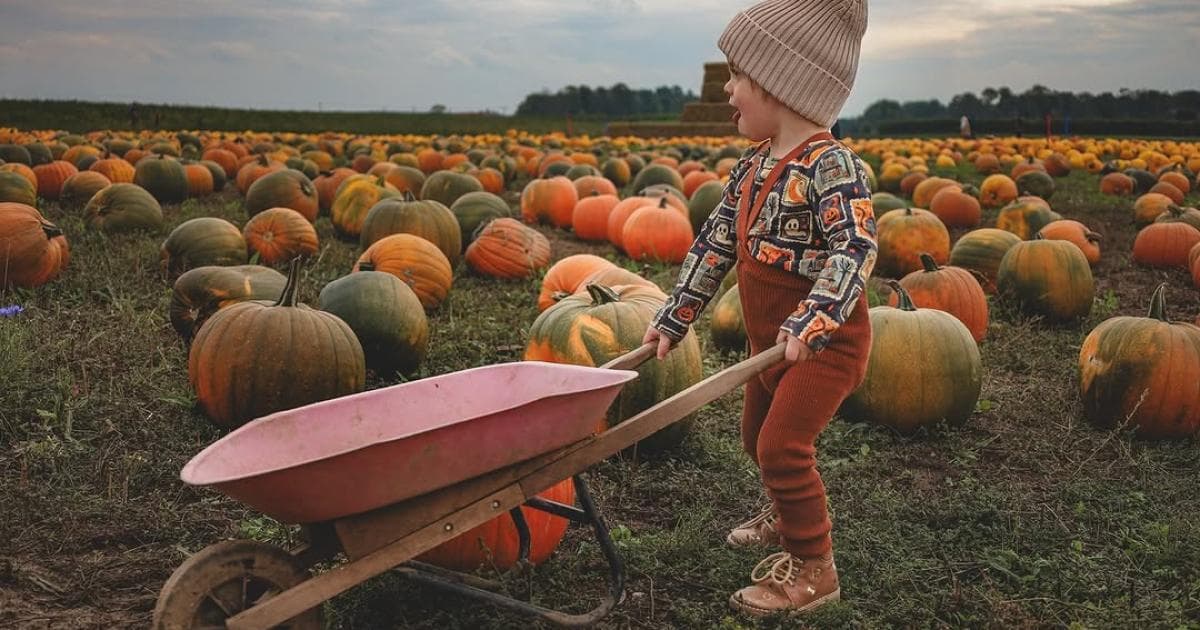
The farm's pumpkin patch and interactive hayground round out fall activities. Tasting Table notes that apples showcase their versatility in the season's baked goods and warm beverages, making orchards natural gathering spots where visitors can harvest their own fruit while enjoying seasonal treats.
Scott's Orchard Celebrates 125 Years of Family Farming
Scott's Orchard in Alabama is marking one of its best harvests in 125 years of continuous family operation. Now in its fifth generation, the farm supplies fresh apples weekly to about 15 area school districts, embedding itself in the local food system. Owner Will Scott invites visitors to pick Thursday through Sunday, teaching the proper technique: twist the apple slightly before pulling it down from the tree.
The farm stand also sells refreshing apple slushies. This longevity and direct community service reflect how Southern orchards function as both production operations and gathering places for families seeking hands-on fall experiences and quality produce.
Georgia's Cooperative Model Preserves Agricultural Heritage
Aaron Family Orchards in Ellijay is modernizing while honoring its past. The historic apple house contains old photographs, family artifacts, and visible stains from decades of cider production, preserving the farm's story on site. The orchard is investing in trellised trees and livestock while planning a you-pick operation rooted in local cooperation.
The earlier farm model combined apples, cattle, and poultry, with growers sharing knowledge, planting help, and apple varieties. This cooperative approach reflects a belief that one orchard's success benefits the entire community. By blending modern farming techniques with traditional values, Ellijay's orchards are securing their place in the region's agricultural future.
Fall Recipes and Seasonal Appeal Drive Visitor Traffic
AOL and Yahoo Style showcase how traditional apple recipes—pies, crisps, cobblers, dumplings, and breads—continue to anchor fall cooking traditions. Many recipes are passed down through families or discovered in old cookbooks, linking seasonal harvests to home kitchens. This cultural connection drives demand for pick-your-own experiences and fresh apple products.
As WCVB notes, apple season is a prime time to explore orchards, with over 7,500 named apple varieties grown globally. Southern orchards capitalize on this interest by offering both the fruit and the experience—wagon rides, corn mazes, and farm stands—making a visit part of the fall tradition itself.
Sentiment
Mostly PositiveNEGATIVENEUTRALPOSITIVE
Publishers
16
Articles
5
Reach
21
Topics
A
AnonymousAuthor