NSE's Massive Public Listing
India's National Stock Exchange Prepares For Massive Public Listing Worth ₹4.42 Lakh Crore
Anonymous
Key Points
1
NSE’s technology platform processes about 2,200 crore orders during a 375-minute trading day—nearly 5.87 crore orders per minute—highlighting the infrastructure required to support its scale.
2
NSE’s expansion into new asset classes is constrained by regulatory approval: although its existing technology infrastructure can make launching products relatively inexpensive, the exchange cannot introduce products independently. Its ecosystem now also includes newer areas such as the Social Stock Exchange.
3
SEBI’s proposed closing-auction framework would allow the closing price to be available within one minute of normal trading, followed by nine minutes of closing-auction activity and five additional minutes of derivatives trading. It also proposes allowing cancellation of orders within a 1% range and restricting modifications of orders in the 1%-3% range to price improvements.
4
NSE’s upcoming listing will be on BSE Ltd., which is already listed on the NSE, creating an unusual cross-listing relationship between India’s two principal exchanges. BSE made its own public-market debut in 2017.
5
NSE’s IPO is expected to be India’s second-largest public offering after Hyundai Motor India’s 2024 issue, while its shares were reported to be trading at a grey-market premium of ₹218, or 12.2%, above the upper end of the price band.
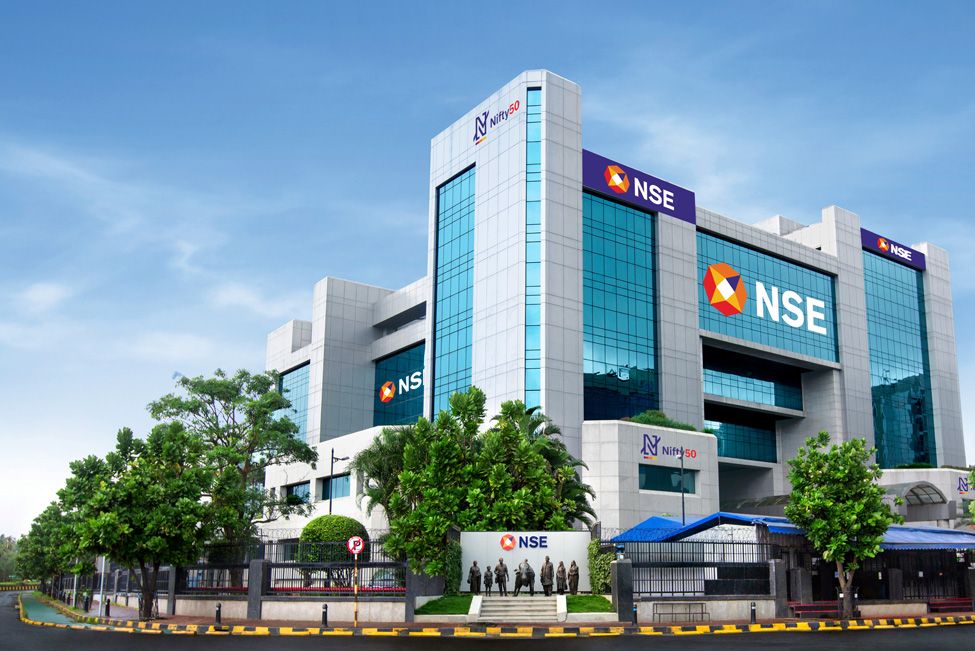
India's National Stock Exchange is launching what will be the country's second-largest initial public offering, valued at roughly ₹4.42 lakh crore. Hindu Business Line reports the exchange is selling shares September 17–21 in an entirely offer-for-sale structure, meaning no new money flows to NSE itself. The IPO has already attracted major anchor investors including the Life Insurance Corporation of India, Goldman Sachs, and Fidelity, who committed Rs 6,746 crore to the offering Your Story.
NSE's dominant position rests on massive scale: the exchange processes roughly 2,200 crore orders daily across a 375-minute trading session—nearly 5.87 crore orders per minute. It commands overwhelming shares of India's equity and derivatives trading and serves approximately 132 million users. Grey-market trading suggests investors see upside, with NSE shares trading at a premium of ₹218, or 12.2%, above the upper price band NDTV Profit.
NSE's Technology Muscle and Regulatory Limits
NSE's infrastructure edge comes from three decades of upgrading technology as India shifted from floor trading to high-speed electronic markets. The exchange's platform can launch new products relatively cheaply once built. However, NSE cannot introduce products on its own—regulatory approval from SEBI is required. Hindu Business Line notes the exchange has diversified into newer areas such as the Social Stock Exchange, but growth into new asset classes remains constrained by the approval process.
Rival BSE Offers Growth and Diversification
While NSE dominates overall liquidity, listed rival BSE has carved out competitive advantages in specific areas. BSE's options business is growing faster than NSE's, and it holds stronger positions in mutual funds, debt offerings, and listings for smaller companies. This diversification shields BSE from heavy reliance on any single product or asset class. The stock gained attention after SEBI proposed rule changes to the closing auction and derivatives settlement frameworks.
SEBI's New Trading Framework Takes Shape
SEBI's proposed changes aim to tighten market mechanics and protect investors. The regulator wants to allow closing prices to be available within one minute of normal trading, followed by nine minutes of closing-auction activity and five extra minutes of derivatives trading. Orders could be cancelled within a 1% price range, while modifications in the 1%–3% range would be restricted to price improvements only. Market observers believe these measures could address long-standing trading concerns and support BSE's stock performance.
A Cross-Listing Milestone for Indian Markets
NSE's listing will occur on BSE, creating an unusual dynamic: India's two main stock exchanges will trade each other's shares. BSE itself went public in 2017, and both have returned capital to shareholders through dividends and corporate actions. NSE's IPO ranks as India's second-largest public offering after Hyundai Motor India's 2024 listing Free Press Journal, underscoring the scale of this capital markets event.
Sentiment
Mostly PositiveNEGATIVENEUTRALPOSITIVE
Publishers
25
Articles
30
Reach
55
A
AnonymousAuthor


