DNA Data Scandal Sentencing
Former CBI DNA analyst Yvonne Woods receives ten years for falsifying testing data.
Anonymous
Key Points
1
The investigation began in September 2023 after a CBI intern discovered missing information in a 2018 case handled by Woods. An arrest affidavit says Woods later acknowledged changing data to complete cases more quickly.
2
Judge Andrew Poland said the case centered on a breach of institutional trust: “The extraordinary trust placed in Ms. Woods, and her breach of that trust.”
3
Woods’ defense attorney, Tom Ward, argued for the minimum eight-year sentence, saying she cooperated with investigators and that her misconduct was concentrated in a few later-career years when her caseload had doubled.
4
The murder conviction vacated after the DNA scandal involved Michael Clark, who was released from prison in 2025 after his lawyers challenged the mishandled DNA evidence.
5
At sentencing, prosecutors described 10 specific cases in which Woods allegedly lied about her findings, including the alleged sexual assault of a 4-year-old Pueblo girl and a woman who said she was raped in Rocky Mountain National Park.
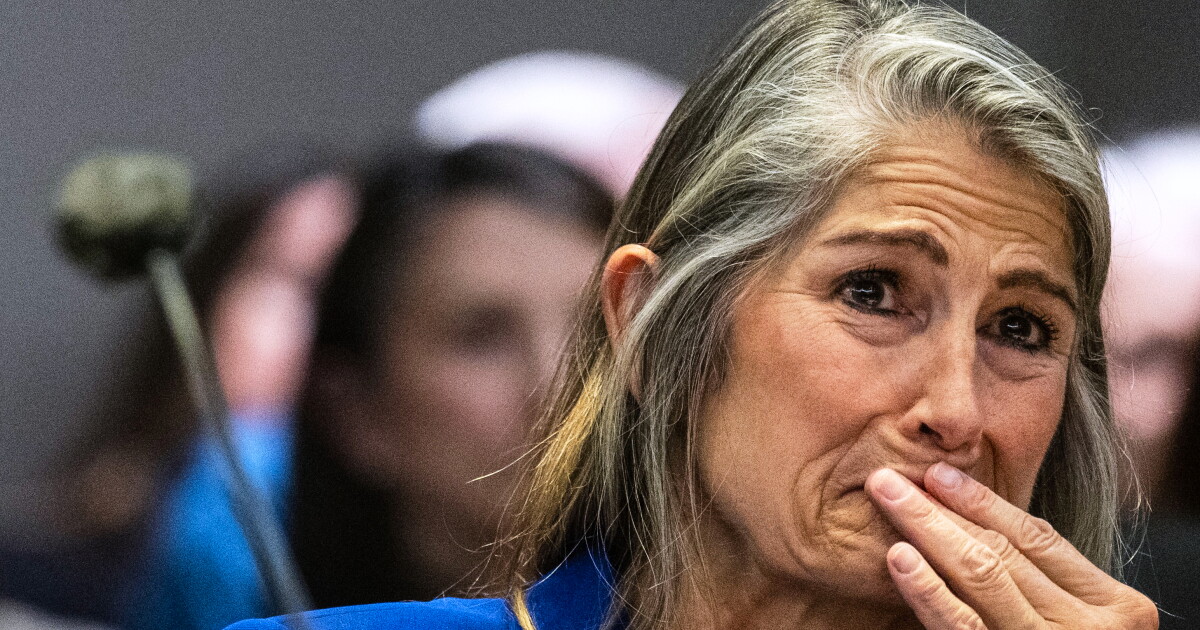
Yvonne "Missy" Woods, a former Colorado Bureau of Investigation DNA analyst, was sentenced to 10 years in prison after pleading guilty to cybercrime, perjury, forgery, and attempting to influence a public servant CPR. Over nearly three decades, Woods deleted, altered, or failed to document DNA-testing data to conceal problems and speed up her work, compromising at least 1,045 cases across homicides, sexual assaults, robberies, and other investigations NY Post.
The misconduct sparked a rare exoneration: At least one murder conviction was vacated after prosecutors reviewed hundreds of cases KUNC. Judge Andrew Poland said the case centered on a breach of institutional trust, calling it "The extraordinary trust placed in Ms. Woods, and her breach of that trust." Woods apologized in court and accepted responsibility for her actions.
How an Intern Uncovered Years of Data Manipulation
The investigation began in September 2023 when a CBI intern discovered missing information in a 2018 case handled by Woods 1310KFKA. An arrest affidavit says Woods later acknowledged changing data to complete cases more quickly. Her caseload had doubled in later years, creating pressure to finish work faster. Woods' defense attorney, Tom Ward, argued this workload surge concentrated her misconduct in a few final career years CPR.
Dismissed DNA Evidence and One Murder Conviction Vacated
Michael Clark's murder conviction was vacated in 2025 after his lawyers challenged DNA evidence Woods had mishandled CPR. In sexual-assault cases, Woods falsely reported finding no male DNA, harming both defendants and victims. Prosecutors described 10 specific cases at sentencing where Woods allegedly lied about her findings, including a sexual assault of a 4-year-old Pueblo girl and a woman raped in Rocky Mountain National Park NY Post.
Why One Analyst's Errors Affected Thousands of Cases
A forensic analyst's conclusions flow through arrests, charging decisions, plea deals, trials, and appeals. Woods' work touched at least 1,045 cases spanning multiple offense types KUNC. Because forensic evidence serves as shared infrastructure within the justice system, a single analyst's misconduct can reshape hundreds of legal outcomes. The scandal damaged public confidence in Colorado's criminal-justice and forensic-evidence systems CBS News.
CBI Reforms Face Years of Case Reviews Ahead
The Colorado Bureau of Investigation said it is reforming its laboratories, but officials and legal analysts predict case reviews could continue for years KUNC. Restoring confidence requires auditable electronic records, independent review of analysts' work, routine proficiency testing, protected whistleblower channels, and workload monitoring. The scandal began when an intern noticed missing data, underscoring how traceability and independent quality controls are essential to catching errors before they become convictions CPR.
Sentiment
Mostly NegativeNEGATIVENEUTRALPOSITIVE
Publishers
17
Articles
79
Reach
96
A
AnonymousAuthor


