De Beers Pauses Production
Diamond Market Downturn Prompts De Beers to Halt Venetia Mine Production for Two Years
Anonymous
Key Points
1
Venetia mine employs about 3,500 people and accounts for roughly 10% of De Beers' production, highlighting the potential local employment impact of the two-year halt in Limpopo.
2
The rough-diamond price index tracked by WWW International Diamond Consultants has dropped about 50% from its 2022 peak, underscoring the severity of the market downturn De Beers is trying to weather.
3
Bruce Cleaver, a former De Beers CEO who had been leading one bid to buy the company, withdrew his group’s interest, leaving Gareth Penny as the apparent favourite bidder backed by major diamond trading firms.
4
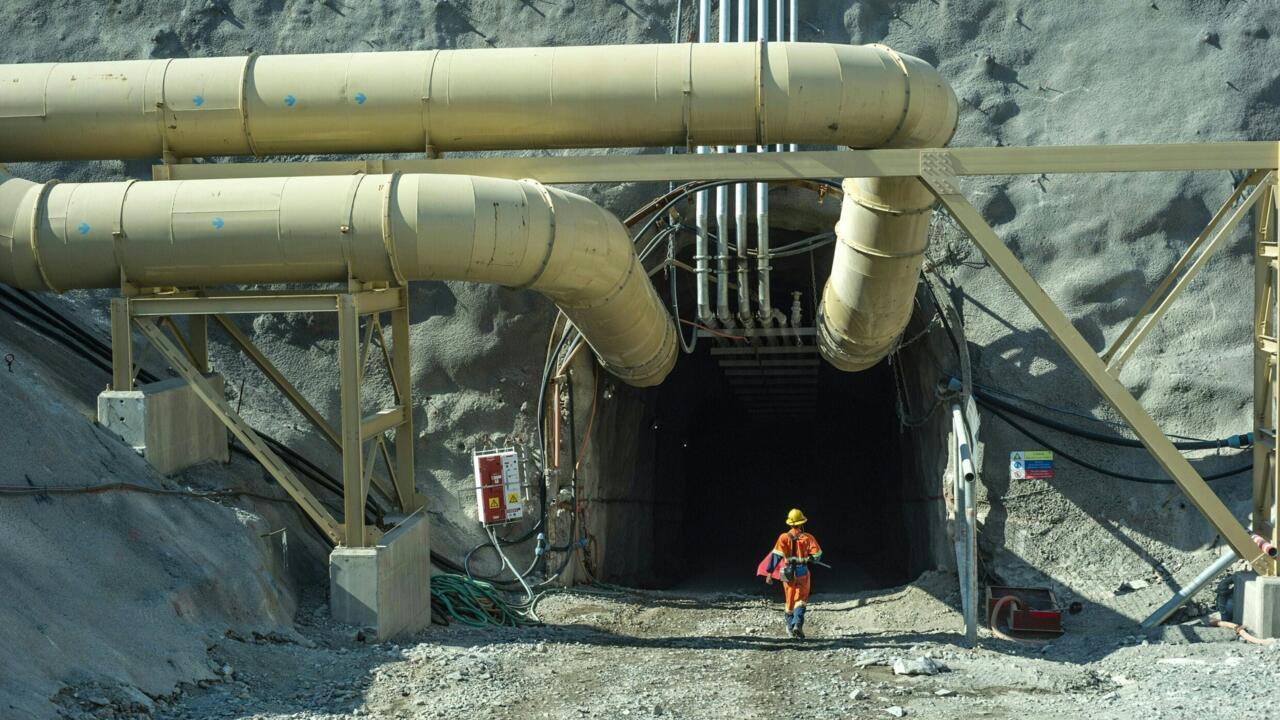
The Venetia project is part of a USD 2 billion transition from open-pit to underground mining, aimed at extending the mine’s life into the 2040s and expanding its strategic role near the Botswana/Zimbabwe border.
De Beers will halt all production at South Africa's Venetia mine — the country's largest diamond operation — for two years, according to France 24 and Market Screener. The pause is a direct response to a brutal diamond market downturn and is part of a wider cost-cutting push across the company.
Rough-diamond prices have fallen about 50% from their 2022 peak, according to the WWW International Diamond Consultants price index. Weak consumer demand, the rise of lab-grown stones, and China's economic slowdown have all hammered the market. De Beers is now restructuring to survive the slump.
What the Two-Year Pause Means for Venetia
Venetia sits near South Africa's border with Botswana and Zimbabwe and accounts for roughly 10% of De Beers' total output. The mine employs about 3,500 people, making the halt a serious concern for jobs in the Limpopo region. De Beers has not yet detailed a full plan for those workers during the suspension.
The mine is in the middle of a USD 2 billion switch from open-pit to underground mining. That shift was meant to extend Venetia's life into the 2040s. De Beers says it is "rephasing" — or delaying — spending on that underground project to cut costs now, according to Market Screener.
Diamond Market Hammered by Synthetics and Weak Demand
The diamond industry faces pressure from multiple directions at once. Lab-grown stones have flooded the market and undercut prices for natural diamonds. Meanwhile, buyers have pulled back, geopolitical tensions have hurt luxury spending, and China — a key market — has not recovered as hoped.
The result is a market in deep trouble. The rough-diamond price index tracked by WWW International Diamond Consultants has lost half its value since the 2022 peak. De Beers has already cut more than $100 million in annual overhead costs. Pausing Venetia is the next step in reducing its spending.
Anglo American Pushes to Sell De Beers Amid Restructuring
De Beers' parent company, Anglo American, is trying to sell the diamond business as part of a broader corporate overhaul. A sale process is underway, but it hit a bump when Bruce Cleaver — a former De Beers CEO who had been leading one bid — pulled his group out of the running, according to Morning Chronicle.
That exit left Gareth Penny as the apparent front-runner. Penny's bid is backed by major diamond trading firms. Competing visions for De Beers' future are in play. Some buyers want to focus the company purely on mining natural stones. Others see value in keeping marketing and mining together.
Output Targets Maintained by Shifting to Other Mines
De Beers insists the Venetia halt will not derail its overall production goals. The company plans to shift output to other mining sites to cover the gap. That means the two-year pause is a financial move, not a sign that De Beers is stepping back from diamonds entirely.
Still, market observers are watching closely. The Venetia halt, the sale process, and the collapse in prices have all raised questions about what De Beers will look like in five years. For now, the company is focused on cutting costs and getting through one of the worst downturns in the modern diamond market.
Sentiment
Mostly NegativeNEGATIVENEUTRALPOSITIVE
Publishers
25
Articles
34
Reach
59
A
AnonymousAuthor


