Global Energy Supply Disruption
Saudi pipeline shutdown and regional maritime clashes escalate threats to global energy and trade.
Anonymous
Key Points
1
European OECD countries imported about 577,000 barrels per day of Saudi crude in June, underscoring the scale of the supply disruption. Poland’s Orlen has issued more than 10 tenders since Friday to find replacement supplies.
2
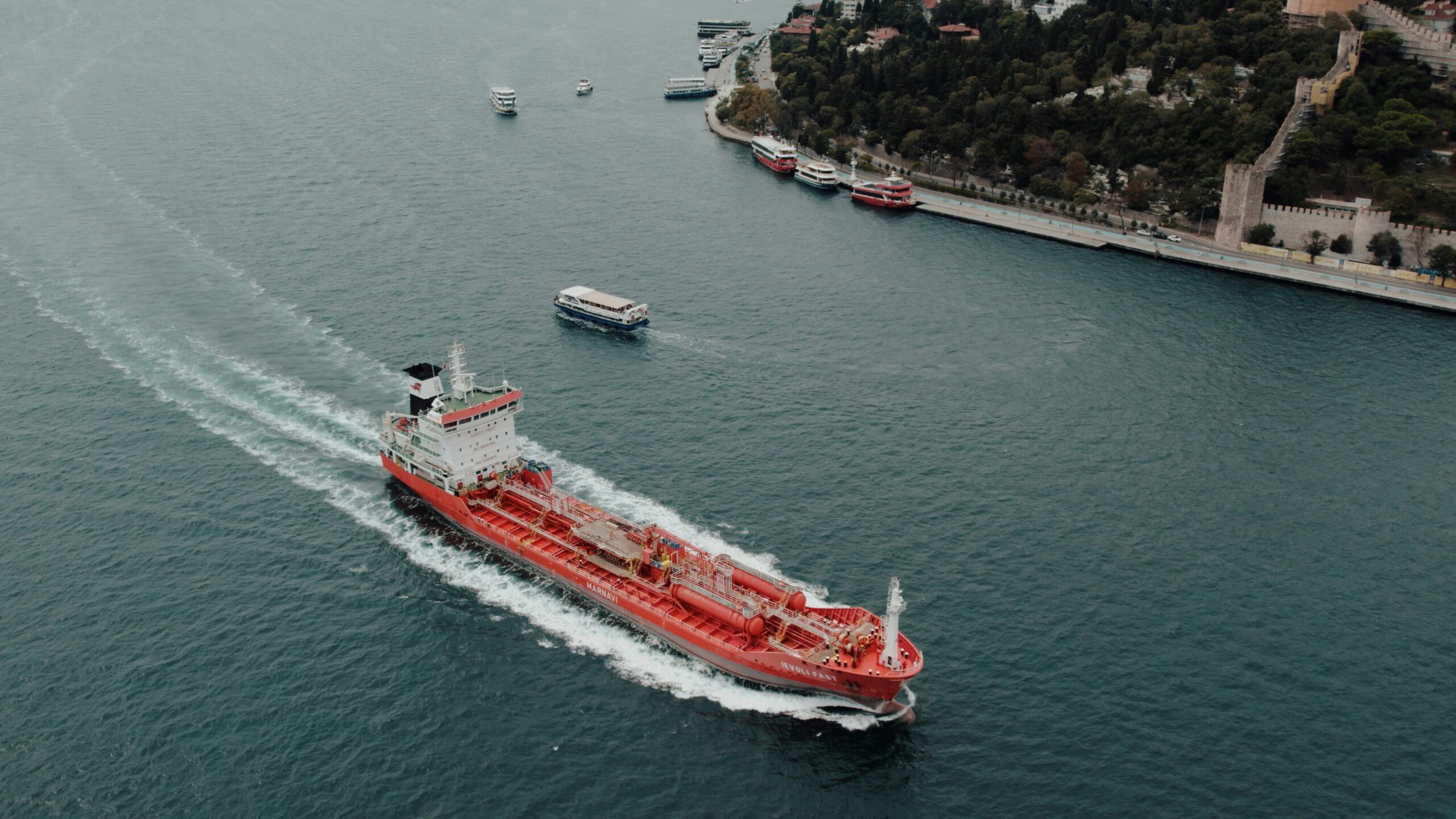
Iran’s Revolutionary Guards said they struck and detained the Togo-flagged oil tanker Trend after a fire broke out aboard the vessel, accusing it of attempting an “illegal passage.”
3
Pakistan’s military spokesperson, Lt. Gen. Ahmed Sharif Chaudhry, said Islamabad would support Saudi Arabia “both diplomatically and physically” and defend the kingdom “to any extent” against Houthi attacks.
4
The disruption has pushed the average U.S. gasoline price up 17 cents in a week to $4.32 per gallon. Brown University’s Iran War Energy Cost Tracker estimates that U.S. households have spent an additional $815 so far because of higher gasoline and diesel costs.
5
The United States said it would permit a core Iranian delegation, including President Masoud Pezeshkian, to attend next week’s U.N. General Assembly in New York despite the conflict entering its seventh month.
Drone attacks on Saudi Arabia's main pipeline have forced a drastic cut to European oil supplies, pushing U.S. gasoline prices up 17 cents in a single week to $4.32 per gallon. Invezz reports that Saudi Arabia halted all crude exports to Europe after the attack disabled its East-West pipeline, which normally ships 7 million barrels daily. The disruption signals how deeply the Middle East conflict now threatens global energy markets and household budgets across the world.
Tensions in the region have mounted further as Iran's forces detained an oil tanker in the Strait of Hormuz while U.S. naval forces pushed back against Iranian boats trying to seize an American drone. Yet despite seven months of escalating conflict, diplomacy appears to have a narrow opening—Washington said it would allow Iran's president to attend next week's U.N. General Assembly in New York, potentially creating space for talks and easing some market worries.
European Refineries Rush to Replace Lost Saudi Oil
European countries imported roughly 577,000 barrels of Saudi crude daily in June, making the pipeline shutdown a massive blow. News18 reports that Saudi Arabia cut crude allocations to European refiners completely after Houthi drone strikes forced the closure of the East-West pipeline. Polish refiner Orlen, which depends on Saudi oil for about 40% of its feedstock, issued more than 10 emergency tenders to find replacement supplies in just days.
Orlen secured 16 replacement cargoes from North Sea, U.S., and Kazakhstan to cover the missing Saudi shipments. The scramble has pushed crude prices above $120 per barrel. Despite the emergency buying, Saudi Aramco says the pipeline should resume partial operations within days and reach full capacity again in roughly six weeks, offering relief but not immediate solutions to Europe's energy crunch.
Strait of Hormuz Tensions Threaten a Second Chokepoint
Iran's Revolutionary Guards detained the oil tanker Trend, a Togo-flagged vessel, after a fire erupted aboard the ship in the Strait of Hormuz. Guards accused the tanker of attempting an "illegal passage" through Iranian waters. Meanwhile, U.S. forces engaged Iranian vessels that were attempting to capture an American surface drone, underscoring how the narrow waterway has become a flashpoint for military confrontation.
The Strait of Hormuz handles roughly one-third of the world's seaborne oil trade, making these clashes especially dangerous. Times of India notes that Yemen's Houthis have already seized much of the Red Sea coast, forcing shipping companies to reroute around Africa—a journey that adds 10 to 14 extra days. With both the Strait and the Red Sea now unstable, global energy supplies face pressure from two directions simultaneously.
Cost Surge Hits American Households Hard
U.S. gasoline prices jumped 17 cents in one week alone, reaching $4.32 per gallon as global oil disruptions ripple through domestic energy markets. Brown University's Iran War Energy Cost Tracker estimates that American households have already paid an extra $815 on average due to higher gasoline and diesel costs since the conflict intensified. Small businesses that rely on fuel for transportation face similar cost pressures, straining already-tight profit margins.
Oil traders have begun watching for diplomacy signs as a potential relief valve. Bloomberg reports that crude prices dropped for a third straight day as supply concerns eased and traders looked ahead to planned diplomatic contacts. The slight market calm shows that even modest progress toward talks could help bring prices down, offering some respite to U.S. consumers and businesses paying the bill for Middle East instability.
Pakistan Pledges Military and Diplomatic Support to Saudi Arabia
Pakistan's military has waded into the conflict, with Lt. Gen. Ahmed Sharif Chaudhry pledging to defend Saudi Arabia "both diplomatically and physically" and to support the kingdom "to any extent" against Houthi attacks. The statement signals that regional powers beyond Israel are now directly backing Riyadh, potentially broadening the conflict further. Pakistan's pledge adds another layer of military commitment at a moment when the world is already watching the Strait of Hormuz and Red Sea for more attacks.
Yet cracks in the conflict's escalation may be appearing. Iranian President Masoud Pezeshkian publicly stated that Tehran is "not at war with Saudi Arabia" and called for regional dialogue. The U.S. has also approved diplomatic visas for Pezeshkian's delegation to attend the U.N. General Assembly in New York next week, offering a potential channel for de-escalation even as military tensions remain high in the Gulf.
Sentiment
Mostly NegativeNEGATIVENEUTRALPOSITIVE
Publishers
44
Articles
57
Reach
101
A
AnonymousAuthor


