Ganesh Festival Celebrations
U.S. Ambassador Sergio Gor Joins Mumbai's Grand Ganesh Chaturthi Celebrations
Anonymous
Key Points
1
The 93rd Lalbaugcha Raja Ganeshotsav began on September 14, with the first day drawing devotees from across Mumbai and beyond; Union Home Minister Amit Shah and Maharashtra Deputy Chief Minister Devendra Fadnavis were also among the prominent visitors.
2
During his Lalbaugcha Raja visit, Sergio Gor touched the feet of the Ganpati idol while offering prayers, and said he felt “privileged” to be invited to the pandal.
3
Lalbaugcha Raja’s idol and festival are organized by the Lalbaugcha Raja Sarvajanik Ganeshotsav Mandal, founded in 1934; the Kambli family has maintained the idol’s artistic tradition for more than eight decades.
4
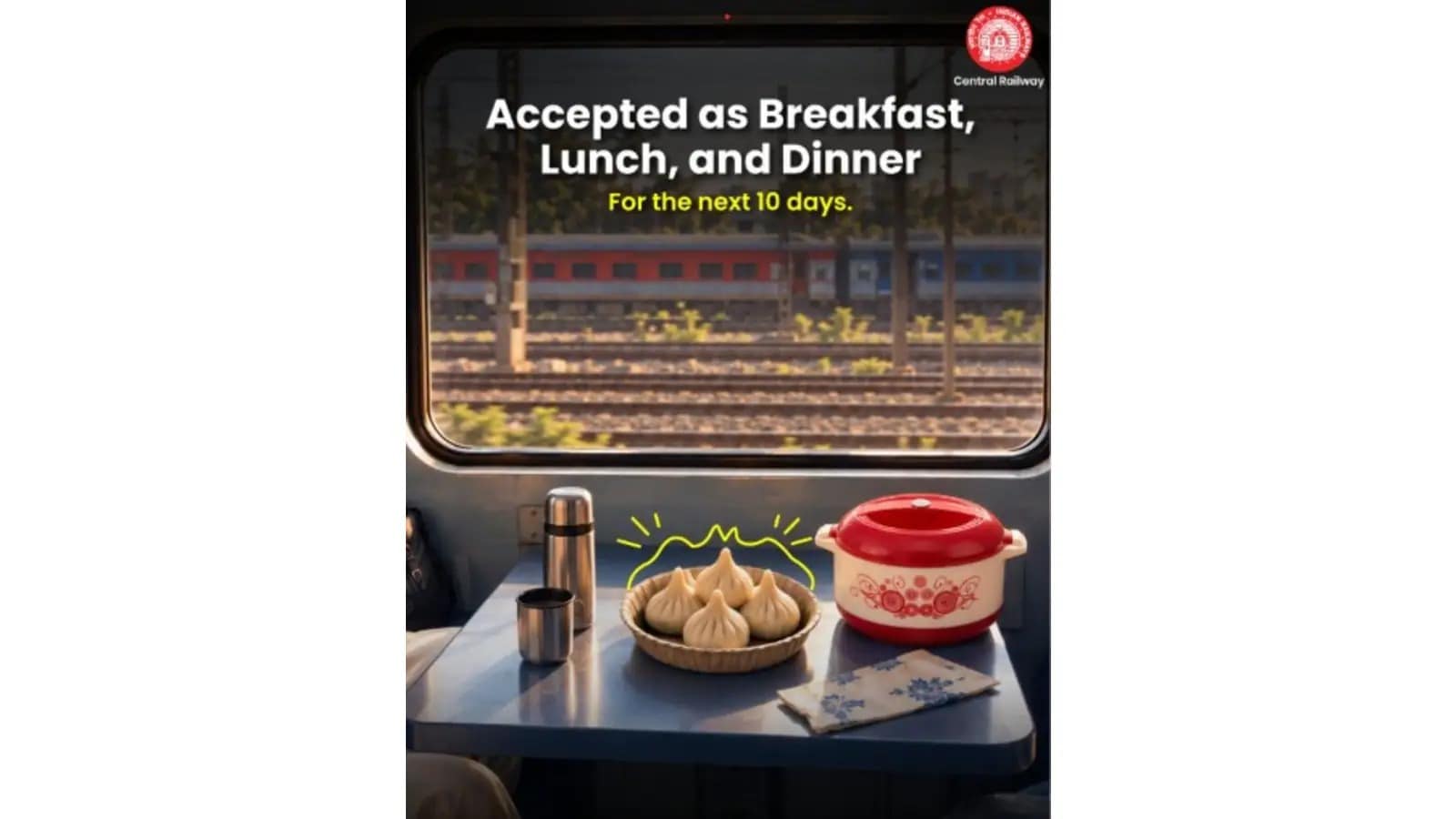
The IRCTC modak initiative began alongside the installation of Ganesh idols on September 14 and covers Tejas Express services 22119 between CSMT and Madgaon and 22120 on the return route.
5
IRCTC said catering personnel must display valid QR-coded identity cards and wear prescribed uniforms, with only authorized staff permitted to provide catering services at stations and on trains.
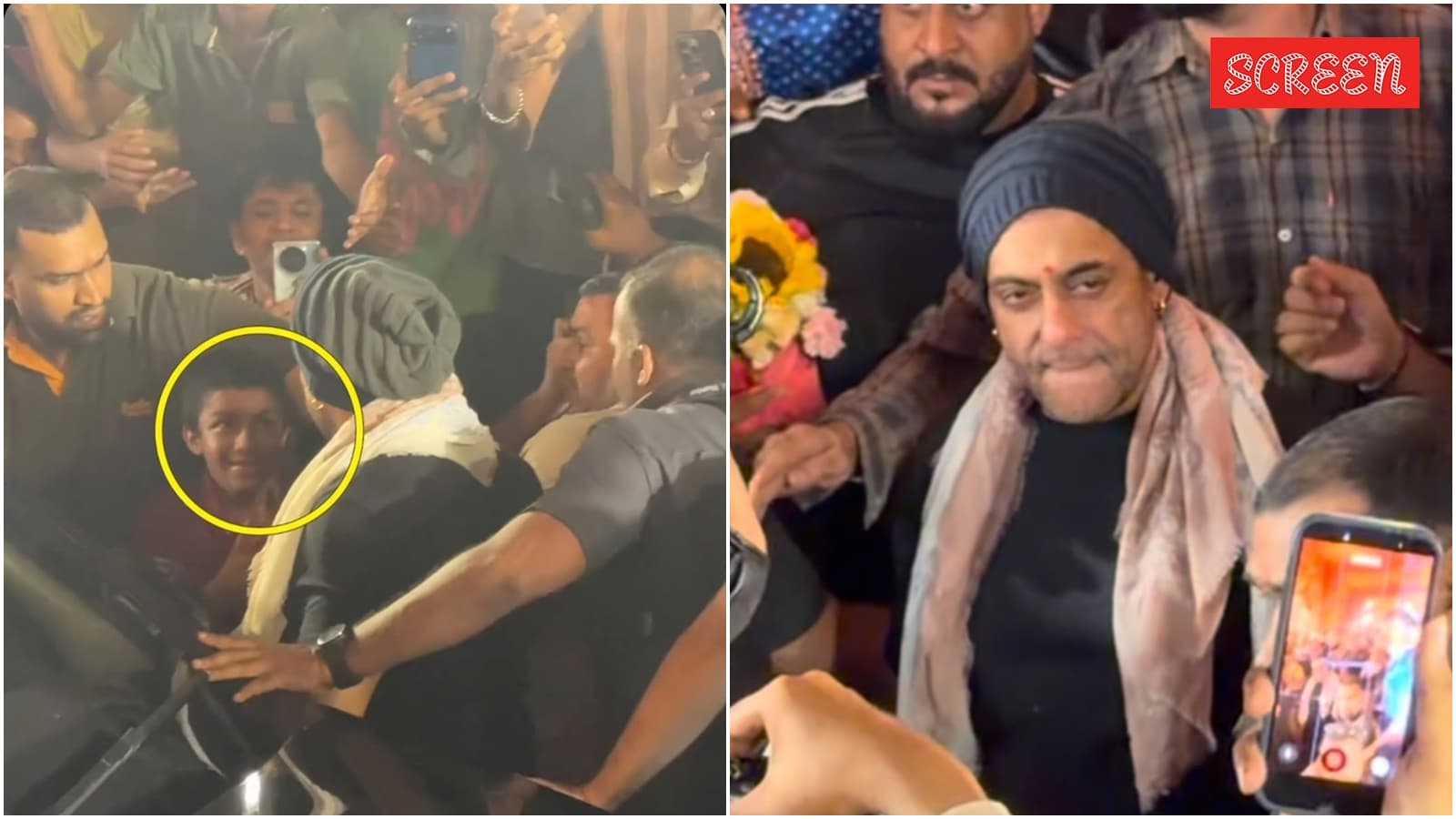
The 93rd Lalbaugcha Raja Ganeshotsav opened September 14 in Mumbai with a flood of visitors—and a stark divide in the treatment they received. ANI reported that U.S. Ambassador Sergio Gor attended the legendary pandal and touched the idol's feet, saying he felt "privileged" to experience the festival's vibrant energy. Yet on opening day alone, over 1.5 million devotees crowded the site, with ordinary worshippers waiting 15 to 16 hours in queues stretching over 2 kilometers while dignitaries received rapid access.
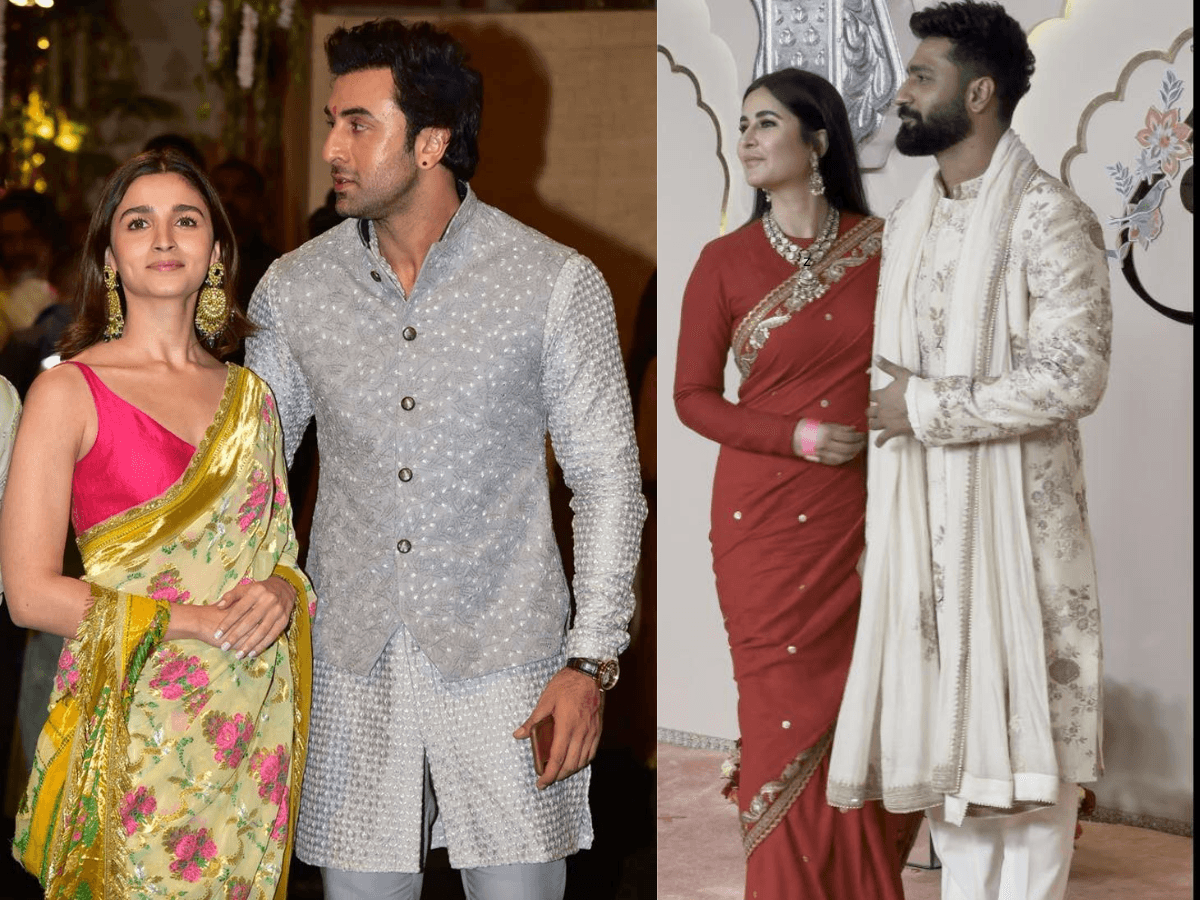
The disparity sparked immediate backlash on social media and in local news. While diplomats and Bollywood celebrities like Tiffany Trump attended glitzy celebrations at the Ambani family's Antilia residence on September 13, thousands of common devotees faced physical exhaustion and long delays for a brief glimpse of Lord Ganesha. Meanwhile, the Indian Railway Catering and Tourism Corporation (IRCTC) launched a parallel initiative to bring the festival to travelers, distributing traditional ukadiche modaks as prasad on the Mumbai–Madgaon Tejas Express trains.
Lalbaugcha Raja's 92-Year Legacy Draws Millions
Founded in 1934, the Lalbaugcha Raja Sarvajanik Ganeshotsav Mandal has overseen one of India's most visited religious sites. The idol's artistic tradition has remained unbroken under the Kambli family for over eight decades, making it a cultural touchstone across Mumbai. devdiscourse.com reported that Union Home Minister Amit Shah and Maharashtra Deputy Chief Minister Devendra Fadnavis both visited the pandal on September 14, reinforcing its status as a gathering place for national leaders.
The festival runs for 10 days and attracts devotees from across Maharashtra and beyond. On the opening day alone, crowds exceeded 1.5 million visitors. The massive footfall has transformed Lalbaugcha Raja into India's most prominent Ganesh Chaturthi venue—a role that blends deep spiritual reverence with high-stakes crowd management and, increasingly, elite political networking.
Diplomat's Visit Highlights Cultural Bridge Between Nations
U.S. Ambassador Sergio Gor's participation in both public pandals and private Antilia celebrations on September 14 and 15 marked a notable moment of soft-power diplomacy. At Lalbaugcha Raja, Gor performed *charan sparsh*—touching the feet of the Ganpati idol—while offering prayers. He described the festival as a "vibrant expression of faith and community" and praised the "incredible" energy of the pandal, underscoring shared cultural values between India and the United States.
Tiffany Trump and Michael Boulos also attended the Ambani family's private Ganpati celebrations at Antilia in traditional festive attire. devdiscourse.com reported that the event drew prominent Bollywood personalities alongside political and business figures. The convergence of foreign envoys, industrialists, and entertainment celebrities turned the festival into an arena for elite cultural engagement—a shift that observers say reflects both India's growing global influence and tensions within the sacred ritual itself.
VIP Access and Crowd Chaos Spark Public Anger
While dignitaries moved through cordoned lanes, ordinary devotees faced brutal conditions. Queues stretched past 2 kilometers, forcing typical worshippers to endure 15-to-16-hour waits in heat and physical crowding. Social media erupted with complaints. Industrialist Harsh Goenka and online commentators condemned what they called the "VIP culture"—a system where rapid access for elites contrasts sharply with the exhaustion and mistreatment of common pilgrims.
Local news outlets and human rights advocates framed the opening days as an exercise in systemic inequality. They argue that transforming a public *sarvajanik* (community-run) ritual into an exclusive showcase for political and diplomatic figures betrays the festival's core principle: equal access to Lord Ganesha for all devotees. Following complaints filed with the Maharashtra State Human Rights Commission, local authorities face mounting pressure to overhaul crowd management and security protocols.
IRCTC Brings Festival to Travelers Through Food and Safety
On September 14, IRCTC launched a parallel festive initiative on the Mumbai–Madgaon Tejas Express. The railway utility began distributing fresh ukadiche modaks—a traditional sweet dumpling—as prasad to passengers on trains 22119 (CSMT to Madgaon) and 22120 (return route). The move brought the Ganesh Chaturthi celebration to commuters and travelers who could not visit Mumbai's pandals in person.
IRCTC also tightened catering standards to ensure hygiene and service quality during the high-volume holiday period. All onboard and station catering staff must now display valid QR-coded identity cards and wear prescribed uniforms. Only authorized personnel are permitted to provide food services at stations and on trains. These enforcement measures aim to maintain food safety and passenger trust during one of India's busiest travel seasons.
Sentiment
Mostly PositiveNEGATIVENEUTRALPOSITIVE
Publishers
40
Articles
35
Reach
75
Topics
A
AnonymousAuthor