US-Iran Military Conflict
US and Iran Trade Military Strikes in Strait of Hormuz Amid Rising Oil Prices
Anonymous
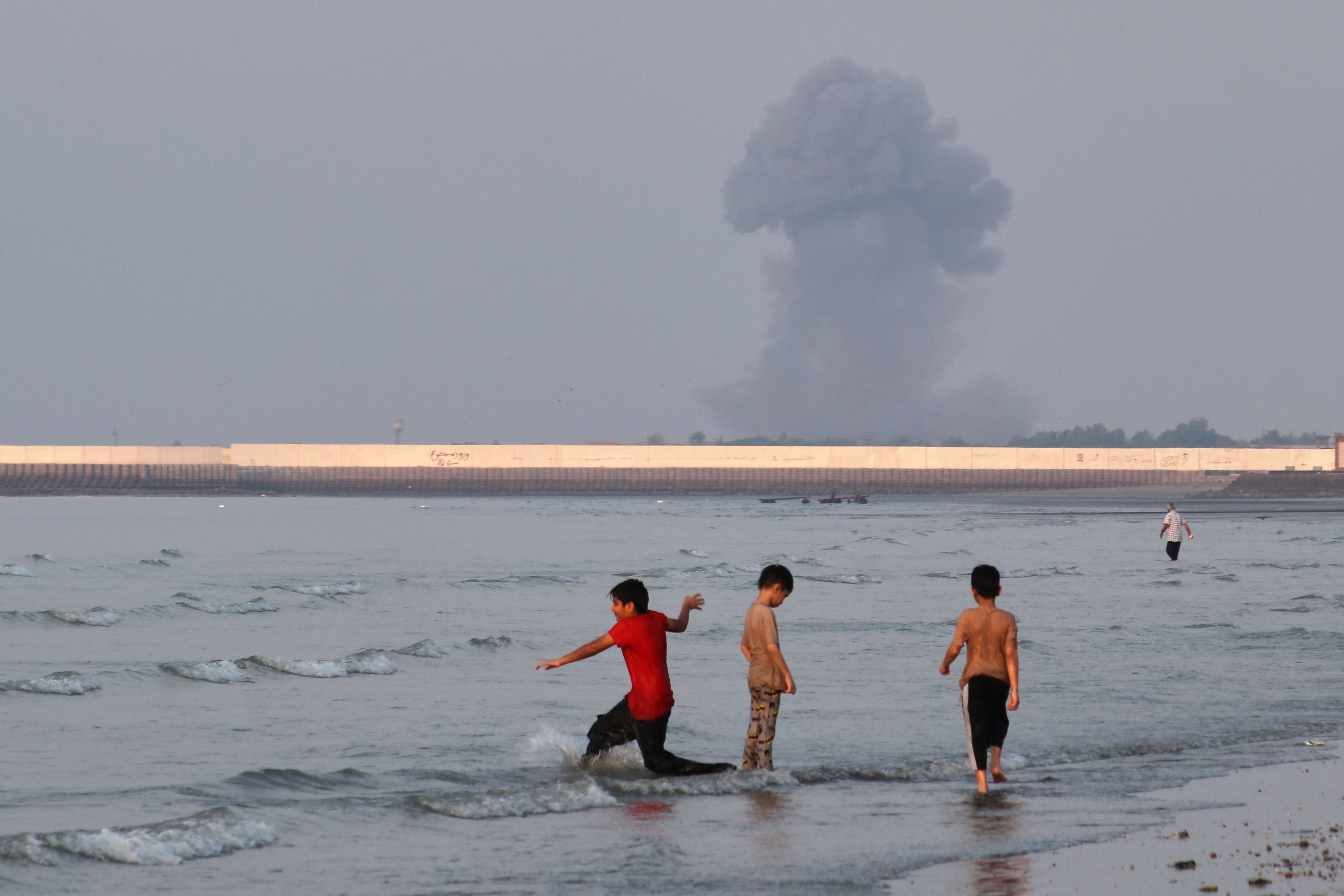
The United States and Iran traded military strikes over the weekend, ending a month of relative peace in the Middle East. Alaska's News Source reported that the U.S. struck Iranian rocket launchers in the Strait of Hormuz, prompting Iran to respond with missile and drone attacks on bases housing U.K. troops in Jordan and the UAE.
The resumption of hostilities immediately drove oil prices higher. President Trump called Iran a 'failed nation' with depleted military forces and vowed to deliver a response to Iranian strikes, according to WABI TV.
U.S. Strikes Iranian Launchers, Breaking Month-Long Ceasefire
The United States initiated the weekend exchange by striking Iranian rocket launchers positioned in the Strait of Hormuz. 1011 Now reported the action broke a month of relative calm in regional tensions. Iran immediately condemned the strikes as an unprovoked act of aggression and vowed retaliation.
The Strait of Hormuz remains one of the world's most critical oil chokepoints. About one-third of global seaborne oil passes through the narrow waterway. Any escalation there threatens global energy supplies and prices.
Iran Retaliates With Missiles and Drones Across Region
Iran responded to the U.S. strikes by launching both missiles and drones. WIBW reported that Iranian forces targeted military bases in Jordan and the United Arab Emirates where British troops are stationed. The coordinated response showed Tehran's ability to strike across multiple countries simultaneously.
Iran's retaliation demonstrated the expanding geographic scope of the conflict. The strikes on Jordan and the UAE signaled that the crisis extends beyond direct U.S.-Iran confrontation. Regional allies are now in the crosshairs.
Oil Markets React as Shipping Risks Rise Again
Oil prices jumped immediately following the military exchange. MySunCoast reported the renewed tensions drove energy costs higher after weeks of relative stability. Market traders fear prolonged conflict could disrupt supplies from the world's key oil-producing region.
Energy markets remain vulnerable to any further escalation. The Strait of Hormuz handles roughly 21 million barrels daily. Sustained military action could choke off critical global oil supplies and spike prices worldwide.
Trump Promises Response, Claims Iran is Weakened
President Trump characterized Iran as a 'failed nation' with a weakened military. WBNG reported that Trump pledged the U.S. would respond to Iran's strikes. He argued that Iran lacks the resources for sustained military engagement against American forces.
Trump's comments suggest the U.S. views the conflict as winnable through superior military force. However, Iran has shown willingness to sustain strikes despite economic hardships. The war of words may precede another round of military action.
Sentiment
NeutralNEGATIVENEUTRALPOSITIVE
Publishers
12
Articles
11
Reach
12
A
AnonymousAuthor


