Iran NPT Withdrawal Threat
Iran Threatens NPT Withdrawal Amid Escalating Nuclear Tensions With International Watchdog
Anonymous
Key Points
1
Iranian lawmakers reportedly submitted a bill seeking withdrawal from the NPT for urgent consideration, indicating that the issue has moved beyond public statements toward a possible parliamentary process.
2
Mohammadreza Mohseni-Sani said the NPT was signed in 1968 and that Iran has been a signatory since 1970; any withdrawal would require notice to the treaty’s depositaries in Washington, London and Moscow.
3
President Pezeshkian said Iran’s willingness to negotiate has been undermined by its belief that previous commitments were abandoned, although he said Tehran remains ready for talks under international law.
4
Pezeshkian also said Iran had discussed a framework concerning the Strait of Hormuz with Oman, with regional foreign ministers expected to pursue arrangements related to the waterway.
5
The dispute has also affected expectations for a potential U.S.-Iran agreement involving reconstruction funding: prediction-market analysis cited low confidence in any deal that would impose uranium-enrichment caps or a moratorium, amid concerns about Iran’s earlier restrictions on IAEA access.
Iranian lawmakers have proposed withdrawing from the Nuclear Non-Proliferation Treaty after the International Atomic Energy Agency referred Tehran to the U.N. Security Council over alleged nuclear noncooperation. According to Kurdistan24, Parliament representatives Abbas Goudarzi and Mohammadreza Mohseni-Sani suggested the treaty may no longer bind Iran, though no formal withdrawal has been announced. The move signals escalating tensions even as President Masoud Pezeshkian claimed Iran remains committed to the NPT and open to negotiations.
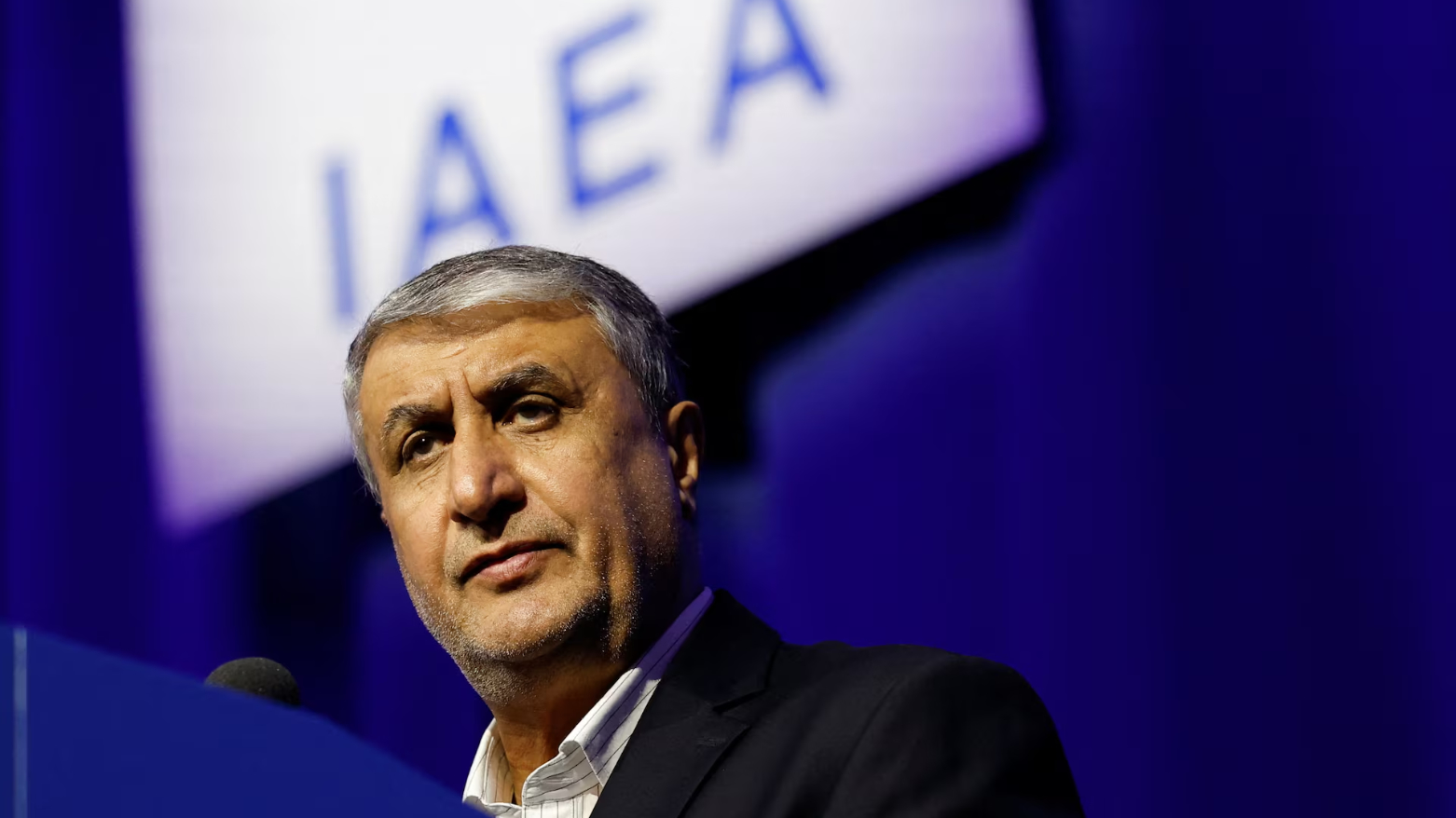
The conflicting signals from Tehran reflect deep uncertainty over Iran's nuclear path. Middle East Online reported that the U.S. blocked Iran's nuclear chief, Mohammad Eslami, from attending the IAEA's annual meeting in Vienna, further straining diplomacy. Prediction markets show low confidence in any future U.S.-Iran deal involving uranium enrichment limits, given Tehran's past restrictions on IAEA inspections.
Iran Moves From Rhetoric to Parliamentary Action
The NPT withdrawal threat has moved beyond political talk. Mohammadreza Mohseni-Sani noted that Iran signed the treaty in 1970 and emphasized any exit would require formal notice to depositaries in Washington, London and Moscow. WANA reported that lawmakers have submitted a bill seeking urgent consideration of withdrawal, pushing the issue into the parliamentary process.
IAEA Referral Triggers Nuclear Doctrine Review
The IAEA board's decision to refer Iran to the Security Council over noncooperation has prompted Tehran to reconsider its entire nuclear stance. BSS News noted that Iranian officials now question whether decades-old commitments still apply. Iran's U.N. mission called the IAEA resolution politically motivated, citing U.S. and Israeli actions as justification for reconsidering treaty obligations.
Pezeshkian Signals Willingness to Negotiate
President Pezeshkian offered a sharply different message from hardline lawmakers. He said Iran remains committed to the NPT and international law, accepts extensive IAEA inspections, and stands ready for talks. Pezeshkian blamed previous negotiation failures on abandoned commitments by other parties, not Iranian demands for nuclear weapons.
Predictions of Deal Collapse Grow Among Analysts
Diplomacy appears headed toward failure. Prediction markets reflect very low confidence in any U.S.-Iran agreement imposing uranium enrichment caps or a moratorium. Analysts cite deep concern about Tehran's past restrictions on IAEA access and questions over whether trust can be rebuilt. Without a breakthrough, Iran's nuclear program will likely accelerate unchecked.
Sentiment
Mostly NegativeNEGATIVENEUTRALPOSITIVE
Publishers
17
Articles
7
Reach
24
A
AnonymousAuthor


