Heat Stucks Chicago Bridge
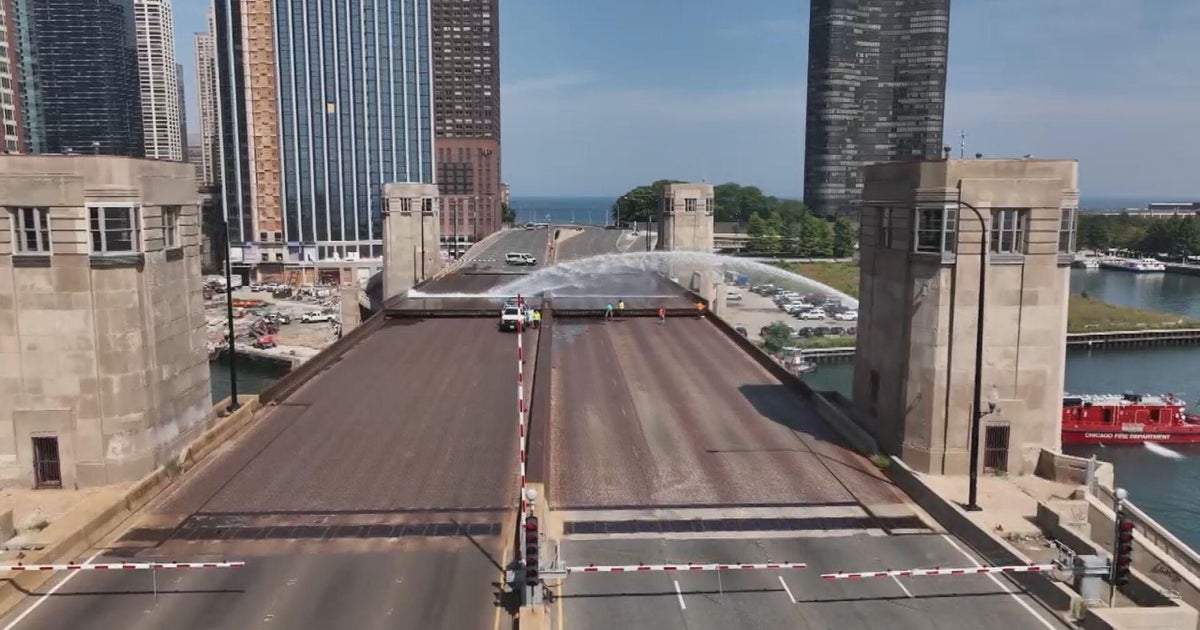
Historic Chicago heat wave expansion strands the DuSable Lake Shore Drive bridge open.
Anonymous
Key Points
1
The incident fits a broader, nationwide concern: extreme heat can put unusual stress on movable bridges, with weather-driven expansion of metal components increasing the risk of mechanical misalignment and operation issues beyond Chicago.
2
A September 2024 inspection flagged the DuSable Lake Shore Drive bridge as structurally deficient and functionally obsolete, with the evaluation described as intolerable and designated high priority for correction.
3
The closure caused significant traffic disruption, with the lift remaining unable to close from about 10 a.m. to 2:30 p.m. and police directing motorists to detours such as the Navy Pier exit at Illinois Street and Grand Avenue, contributing to heavy backups Downtown.
4
Engineering experts described the failure to close as a result of heat-induced differential expansion, with one part of the bridge expanding more than another and throwing the tolerances out of alignment.
Chicago's DuSable Lake Shore Drive bridge got stuck in the raised position during a historic heat wave, trapping the structure mid-lift and snarling downtown traffic for hours. CBS News reported that the bridge remained unable to close from roughly 10 a.m. to 2:30 p.m., forcing police to redirect thousands of motorists to detours like the Navy Pier exit. Crews and the Fire Department sprayed cold water on the steel to cool it down and allow the bridge leaves to close again.
The incident exposed long-standing concerns about Chicago's aging infrastructure. AOL noted that a 2024 inspection had already flagged the DuSable bridge as structurally deficient and functionally obsolete, with officials marking it as high priority for repair. Engineers blamed heat-induced metal expansion, which threw the bridge's precise tolerances out of alignment and made closing mechanisms impossible to operate.
Extreme Heat Warped Steel and Jammed the Mechanism
When temperatures soared during Chicago's heat wave, the metal components of the DuSable bridge expanded unevenly. Different parts of the structure swelled at different rates, throwing the lift's tolerances — the tight gaps needed for gears and hinges to work — completely out of whack. Travel and Tour World reported that this heat-driven expansion prevented the bridge leaves from closing after the scheduled lift, leaving the roadway stuck open.
The Fire Department responded by deploying water-spray operations to cool the steel. The strategy worked: cooling the metal caused it to contract, gradually restoring enough clearance for the bridge to function again. Officials confirmed no injuries occurred during the roughly four-hour closure, though traffic gridlock affected downtown and surrounding routes.
A 2024 Inspection Already Flagged Structural Trouble
Before this heat wave, engineers had already warned about the DuSable bridge's condition. CBS News reported that a September 2024 inspection labeled the structure as structurally deficient and functionally obsolete. The evaluation deemed the bridge's current state intolerable and ranked repairs as high priority, signaling that aging design and worn components could not safely handle extreme stress.
The bridge's age and outdated tolerances made it especially vulnerable to heat-driven expansion. The 2024 report suggested that the structure's design margins were already thin, leaving little room for the metal shifts that extreme temperatures cause. Officials now face pressure to speed up repairs or replacement.
Chicago's Movable Bridges Face Heat Stress Across the City
The DuSable incident was not isolated. Travel and Tour World reported that heat-related issues struck multiple movable bridges across Chicago, including crossings over the Calumet River. The pattern underscores a nationwide vulnerability: extreme heat can stress aging bridge infrastructure that relies on precise mechanical tolerances to lift, align, and close.
Cities across the United States are discovering that climate-driven heat waves pose a hidden threat to movable bridges. As temperatures rise, metal components expand in ways that older designs never anticipated. Chicago officials said they would scrutinize maintenance practices and safety tolerances going forward, but long-term fixes will likely require major repairs or rebuilding.
Sentiment
Mostly NegativeNEGATIVENEUTRALPOSITIVE
Publishers
22
Articles
115
Reach
137
Topics
A
AnonymousAuthor


