Religious Site Incidents
Investigations and Reports Highlight Multiple Incidents Affecting Religious Sites Across Regions
Anonymous
Key Points
1
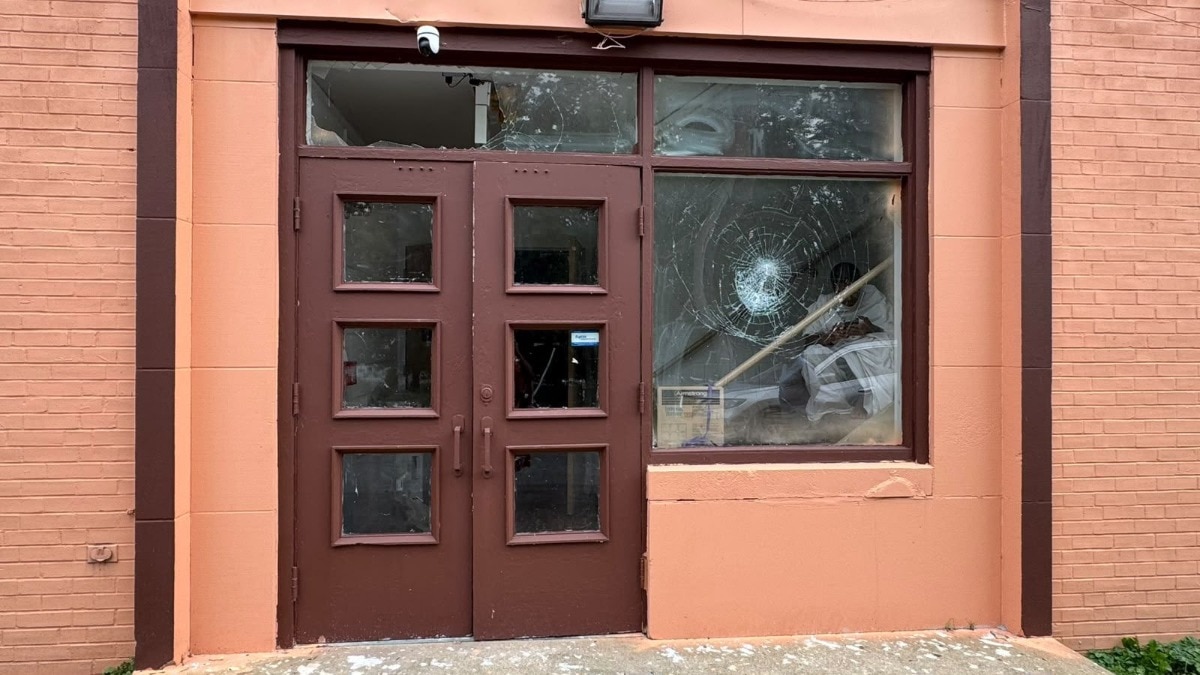
In the Ohio temple attack, surveillance footage was available and under review by authorities, and the Hindu American Foundation said it was alerting the FBI and civil-rights officials. CoHNA said priests and devotees were inside when bricks shattered windows.
2
Millat Times’ investigation raises a due-process question beyond its headline tally: whether encroachment laws are applied consistently and transparently when sites belong to Muslim religious communities. It says reported actions involved agencies across multiple states and included partial removals and evictions, not only demolitions.
3
At Ujjain’s Shahi Masjid, the mosque committee and local administration had reached an agreement recorded by the Madhya Pradesh High Court for the community to remove the affected section. The district administration said the crane accident caused no deaths or injuries and left no one trapped.
4
After police stopped the Hindu Raksha Dal activists near the Kesarganj mosque, members were filmed chanting, “This country belongs neither to the mullah nor the qazi, but to the brave Shivaji.” The group’s planned ritual followed a dispute over construction work at the mosque.
5
The July 13–19, 2026 tracker says it recorded 49 alleged incidents, including attacks on Hindu temples and idols, disruption of religious observances, threats to devotees, pressure to convert, and cases involving Hindu women and minors.
A Hindu temple in Richmond Heights, Ohio, was attacked with bricks on Friday afternoon, shattering windows while priests and devotees were inside DNA India. The incident has sparked calls for a federal investigation, with Hindu advocacy groups warning it could be a hate crime. Meanwhile, an investigation by Millat Times catalogued 2,166 reported government actions affecting Muslim religious sites across India, raising questions about how encroachment laws are enforced.
The cases highlight escalating tensions between religious communities in the United States and South Asia. From temple vandalism to mosque disputes tied to development projects, incidents span both countries and involve law enforcement, local administrations, and advocacy groups on multiple sides.
Ohio Temple Attack Investigated as Potential Hate Crime
The Shree Swaminarayan Hindu Temple in Richmond Heights sustained significant damage when bricks were thrown at the building around 1:30 p.m. on Friday DNA India. Surveillance footage was captured and is now under review by authorities. The Hindu American Foundation alerted the FBI and civil-rights officials to the incident India Today.
The Coalition of Hindus of North America said priests and devotees inside the temple narrowly escaped injury when windows shattered from the brick impacts DNA India. The group called for an urgent investigation. No arrests have been reported so far.
Millat Times Logs 2,166 Actions Against Muslim Sites in India
A Millat Times investigation documented 2,166 reported government actions affecting Muslim religious and community sites across India. The cases involved agencies in multiple states and included partial removals, evictions, and demolitions. However, Millat Times cautioned that this total is not a verified count of separate demolitions and may require additional verification.
The investigation raises a critical question: whether encroachment laws are applied consistently and transparently when Muslim communities own the sites. The cases span years and reflect patterns in how local administrations handle property disputes tied to urban development and road-widening projects.
Mosque Damaged During Road-Widening Work in Ujjain
A crane malfunction damaged part of the Shahi Masjid in Ujjain while removal work was underway for a road-widening project. The mosque committee and local administration had previously reached an agreement, recorded by the Madhya Pradesh High Court, for the community to remove the affected section. The district administration confirmed the crane accident caused no deaths, injuries, or people trapped inside.
Hindu Nationalist Group Blocked From Mosque Ritual in Meerut
Police in Meerut stopped members of the Hindu Raksha Dal from reaching the Kesarganj mosque to perform a Hindu ritual. The group was filmed chanting at the scene: "This country belongs neither to the mullah nor the qazi, but to the brave Shivaji." The planned ritual followed a dispute over construction work at the mosque.
The incident reflects broader religious tensions tied to disputes over mosque construction and maintenance. Both Hindu and Muslim communities have reported incidents during this period, with separate tracking efforts documenting attacks on temples, disruptions of religious observances, and confrontations involving devotees.
Sentiment
Mostly NegativeNEGATIVENEUTRALPOSITIVE
Publishers
18
Articles
17
Reach
35
A
AnonymousAuthor