Economic Sentiment Slips
South Korea Consumer Confidence Dips Amid Stock Market Volatility and Inflation Pressures
Anonymous
Key Points
1
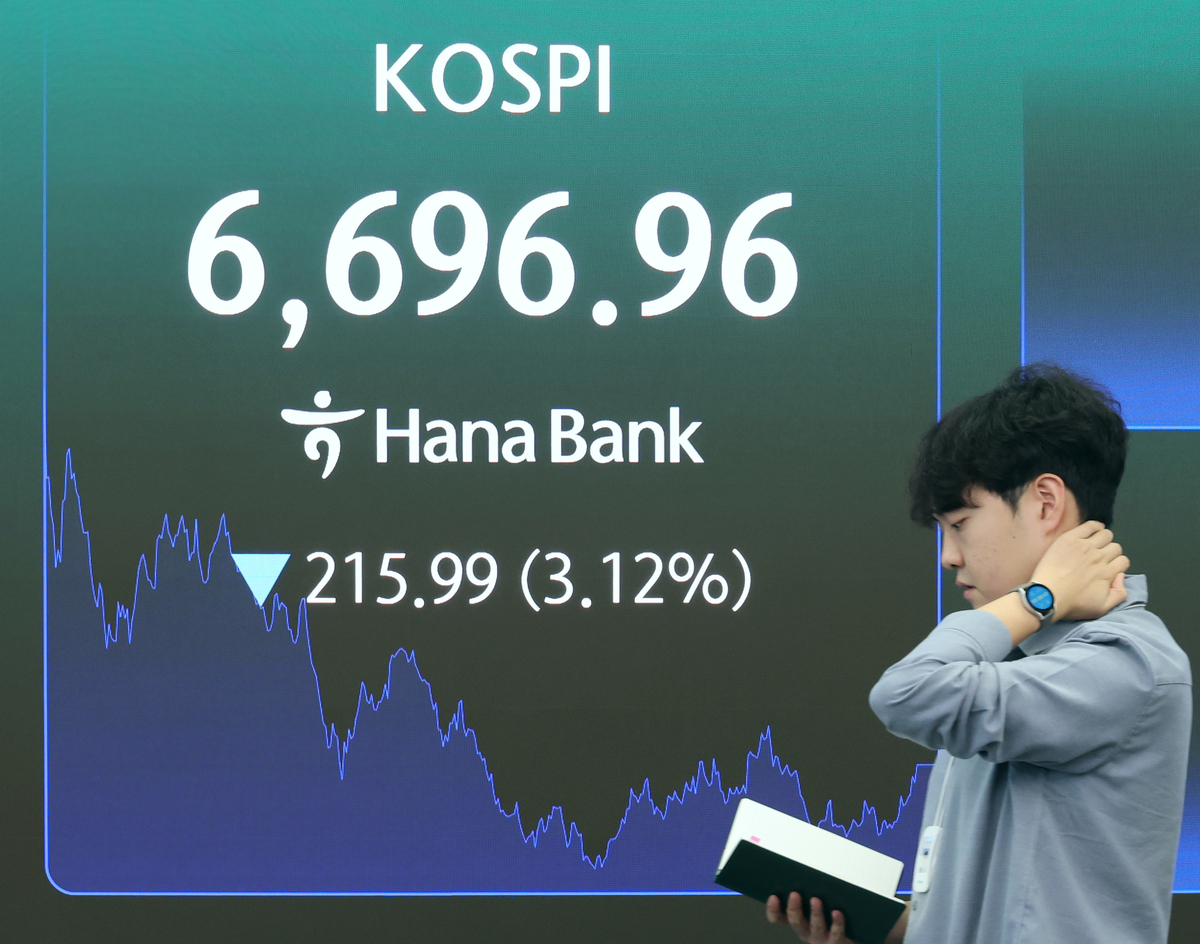
The Bank of Korea’s August release shows the current economic judgment index at 79, a 5-point drop and the lowest reading since April (68) as stock-market corrections and inflation pressures weigh on sentiment.
2
The employment outlook deteriorated further, falling 3 points to 86—the largest drop among the six sub-indices—with the impact more pronounced for younger workers under 40 in AI-exposed sectors.
3
Household savings perceptions weakened notably, with the August readings highlighting confidence in personal finances and savings at softer levels amid stock-market moves.
4
Exports remained a bright spot, with memory-chip demand driving a robust export performance; July exports grew 63% year-over-year, marking the second-highest level in history.
5
Market expectations for inflation show next-year inflation at 2.7%, with three- and five-year inflation expectations at 2.6%, underscoring persistent price pressures despite the gains in exports.
South Korea's consumer mood soured in August as stock market turbulence and rising prices dampened confidence. The Composite Consumer Sentiment Index dropped 2.3 points to 104.5, marking the first decline in four months, according to Bank of Korea data reported by GuruFocus. While the index remains above the neutral 100 level, the slide signals growing anxiety about economic conditions and job prospects.
The weakness hit hardest among workers under 40 in technology and AI sectors facing softer job prospects. Household confidence in personal finances and savings also weakened as stock market swings took their toll. Yet exports—particularly memory chips—remain a bright spot, with Trading View noting July exports surged 63% year-over-year, the second-highest level on record.
Current Conditions Hit Five-Month Low as Stocks Drop
The Bank of Korea's current economic conditions index plummeted to 79 in August—a 5-point drop and the lowest reading since April. Seoul Daily reported that stock market corrections and inflation pressures drove the sharp decline. This subindex measures how South Koreans view their present economic situation right now.
The six-month economic outlook also weakened to 89, down from previous months. All six component sentiment measures declined simultaneously. This suggests consumers expect conditions to stay rough through early 2025.
Job Fears Accelerate Among Young Workers and Tech Sectors
Employment outlook sentiment dropped 3 points to 86—the largest decline among all six sub-indices. The hit fell hardest on workers under 40 in artificial intelligence and other technology fields. Companies are slowing hiring in these growth sectors as economic uncertainty deepens.
Younger workers report softer job prospects than their older peers. Households also weakened their views on personal savings and financial health. These signals suggest confidence in household finances is cracking under market stress.
Memory Chip Exports Cushion Economic Blow
Despite consumer gloom, South Korea's export engine keeps running strong. Memory chip demand is surging globally, lifting overall shipments. Trading View reported July exports climbed 63% year-over-year—the second-best month ever recorded for South Korean exports.
This export strength helps offset weakness in domestic consumer spending and confidence. Chip makers like Samsung and SK Hynix are ramping production to meet demand. The sector provides a stabilizing force even as stock markets swing and household budgets tighten.
Inflation Expectations Stay Sticky Above 2.6 Percent
South Koreans expect inflation to remain elevated over coming years. Consumers forecast next year's inflation at 2.7%, with three- and five-year expectations around 2.6%. These persistent price pressures weigh on household spending power and savings goals.
Rising costs for food, energy, and goods squeeze household budgets. Consumers worry prices will stay high longer than policymakers hope. This inflation anxiety combines with stock market volatility to erode overall sentiment, even though the index remains technically positive.
Sentiment
Mostly NegativeNEGATIVENEUTRALPOSITIVE
Publishers
10
Articles
3
Reach
13
A
AnonymousAuthor