Egypt Promotes Regional Diplomacy
Egypt Urges US-Iran Negotiations and Stronger Regional Security Cooperation Across Multiple Crises
Anonymous
Key Points
1
Egypt urged Washington and Tehran to resume negotiations under the Islamabad memorandum of understanding, which it presented as a framework for resolving outstanding issues through dialogue.
2
During his call with Bahrain’s foreign minister, Abdelatty said Egypt’s national security was linked to the security of Bahrain and other Gulf states and expressed solidarity with Bahrain against threats to its security, sovereignty or territorial integrity.
3
Egypt and Mali agreed to strengthen counterterrorism coordination at both the bilateral and multilateral levels and to build on existing political and development momentum between the two countries.
4
The Oman discussions included a call to safeguard maritime navigation and maintain the flow of trade and energy supplies, with both ministers highlighting the Strait of Hormuz’s implications for the global economy.
5
Market-based analysis cited in coverage put the probability of a complete Iranian airspace closure by Dec. 31 at 30% 'Yes,' reflecting uncertainty alongside signs of possible de-escalation.
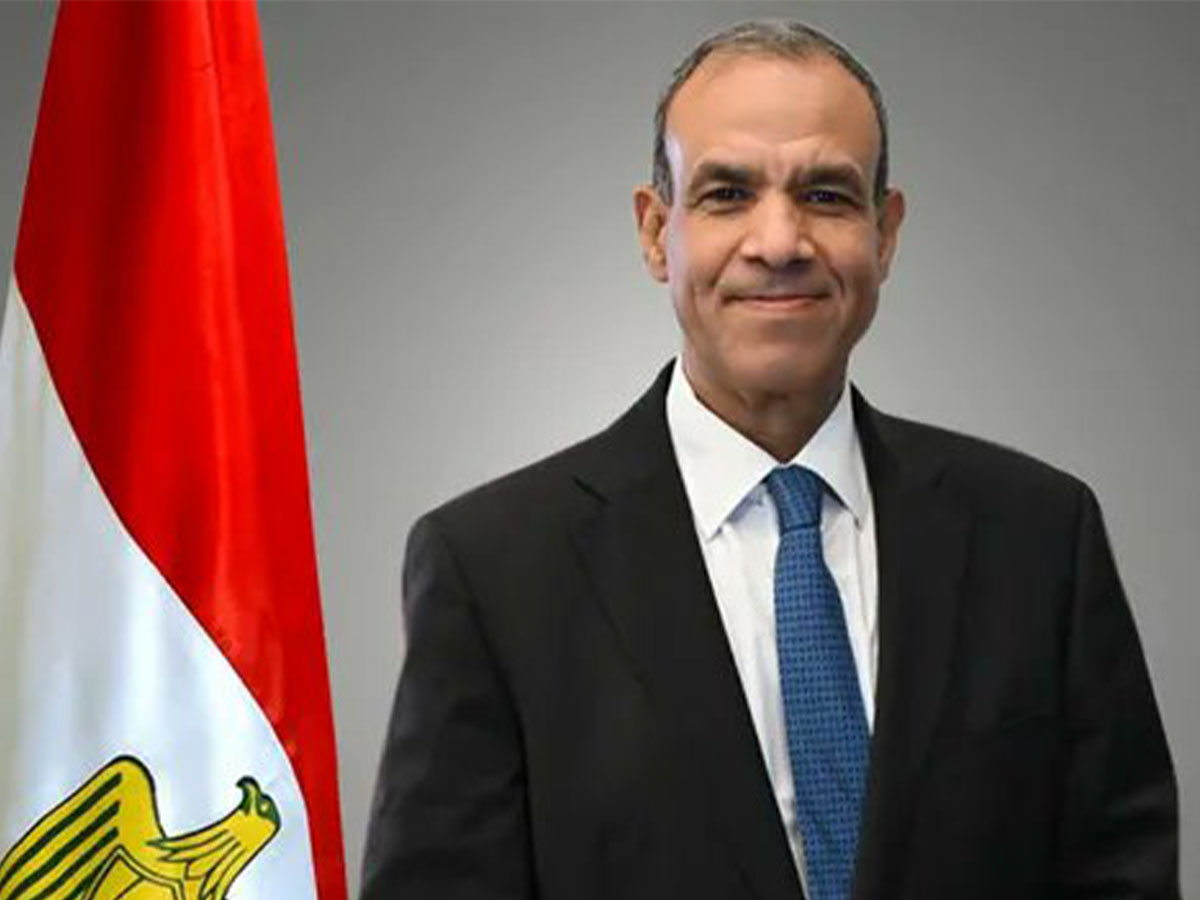
Egypt's Foreign Minister Badr Abdelatty launched a diplomatic push across the Middle East, urging the United States and Iran to resume talks and warning that further escalation could cripple shipping through the Strait of Hormuz and destabilize the global economy. Egyptian Gazette reported that Abdelatty held urgent calls with officials in Oman, Bahrain, and Mali to coordinate on de-escalation and regional security.
The efforts come as tensions between Washington and Tehran risk disrupting critical energy supplies and international trade routes. Cryptobriefing said Abdelatty presented the Islamabad memorandum of understanding as a framework for resolving outstanding disputes through dialogue rather than military confrontation.
Pushing for US-Iran Talks Before Tensions Worsen
Egypt is pressing Washington and Tehran to negotiate instead of escalate. Cryptobriefing reported that Abdelatty called for an end to the U.S.-Iran confrontation and proposed the Islamabad memorandum as a path forward. He warned that continued hostility could spiral into a broader regional conflict with severe global consequences.
The stakes are enormous. A complete closure of Iranian airspace by year-end carries a 30% probability according to market-based analysis cited in coverage, reflecting deep uncertainty about whether de-escalation or conflict lies ahead.
Strait of Hormuz Security Threatens Global Trade
Egypt and Oman both stressed the need to protect maritime navigation through one of the world's most critical chokepoints. Fana News said the two ministers highlighted how disruptions in the Strait of Hormuz could damage the global economy by blocking energy exports and trade flows.
Abdelatty told Bahrain's foreign minister that Egypt's security is directly tied to Gulf stability. AAJ TV reported discussions centered on threats to maritime shipping and the need for stronger regional cooperation to keep vital sea lanes open and secure.
Egypt and Mali Team Up Against Sahel Terrorism
Egypt and Mali agreed to deepen counterterrorism coordination across the Sahel region, where militant groups pose mounting threats. The two countries will strengthen both bilateral and multilateral security cooperation while building on existing political and development programs to address root causes of instability.
Sudan and Libya: Humanitarian Access and Political Progress
Abdelatty spoke with Massad Boulos, a senior adviser to the US President on Arab and African Affairs, about halting fighting in Sudan and opening humanitarian access. QNA reported the two also discussed steps needed to advance Libya's political process and restore stability in North Africa.
Sentiment
Mostly PositiveNEGATIVENEUTRALPOSITIVE
Publishers
26
Articles
15
Reach
41
Topics
A
AnonymousAuthor


