Sri Lanka's Easter Bombings Negligence Verdict
Sri Lankan Court Sentences Former Security Chiefs to Death for Easter Bombings Negligence
Anonymous
Key Points
1
The Easter Sunday attacks killed 279 people, with more than 500 injured, and 45 of the dead were foreign nationals.
2
The coordinated strikes targeted three churches and three luxury hotels across Colombo and other cities.
3
The verdict was delivered by a three-judge Colombo High Court bench with a 2-1 majority; a dissenting judge said the two officials had no motive to kill and no links with the attackers.
4
The case was heard by a special fast-track court; prosecutors had previously secured acquittals in 2022, but the state appealed, leading to the death sentences.
5
There are about 817 people on death row in Sri Lanka, with most death sentences historically commuted to life imprisonment and the country maintaining an unofficial moratorium since 1976.
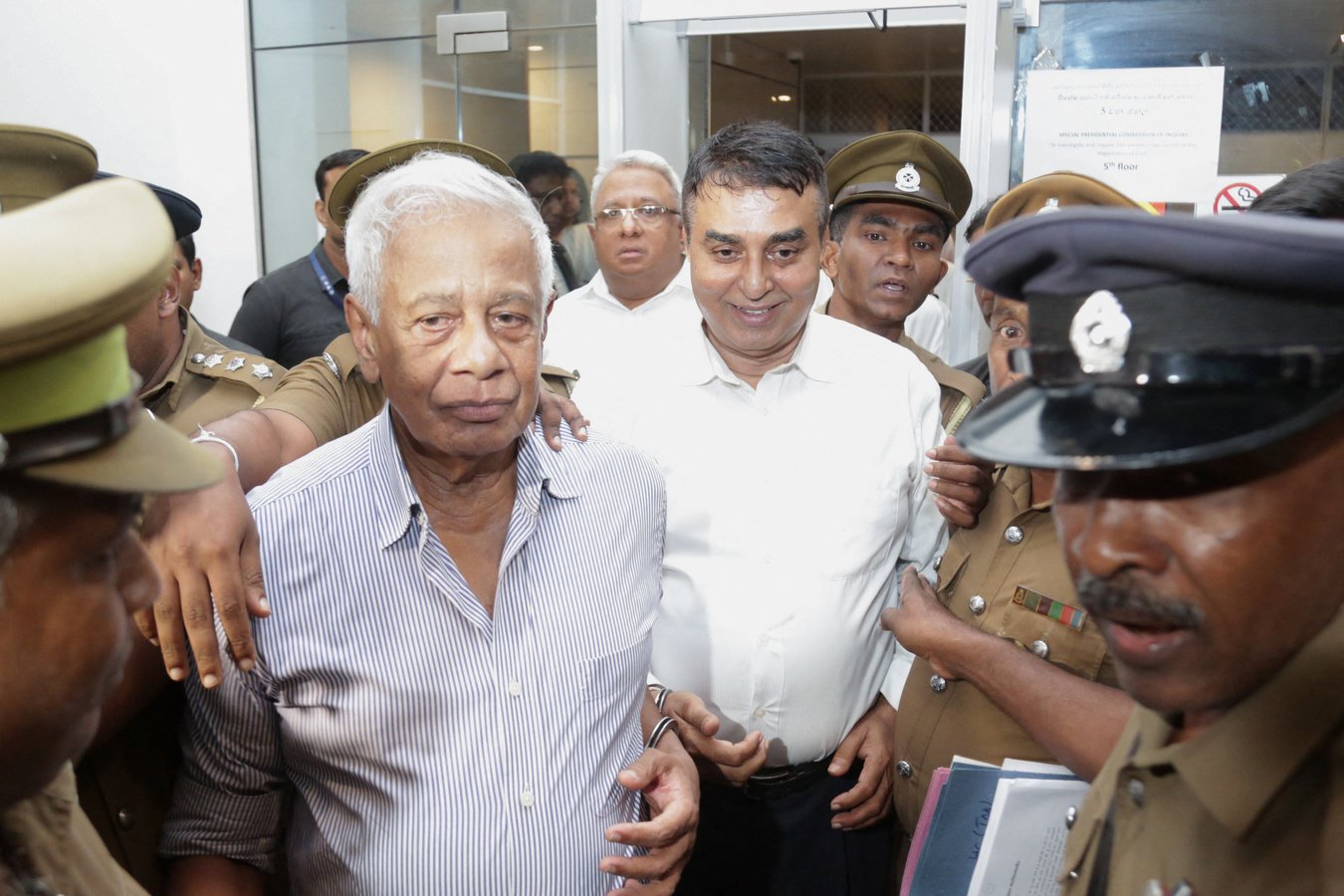
A Sri Lankan court sentenced two former senior officials to death on Friday for failing to stop the 2019 Easter Sunday bombings that killed 279 people. The Colombo High Court convicted former police chief Pujith Jayasundara and former Defence Ministry Secretary Hemasiri Fernando of criminal negligence in a 2-1 ruling, according to Al Jazeera.
The coordinated attacks on April 21, 2019 targeted three churches and three luxury hotels across Colombo and other cities. More than 500 people were injured, and 45 of the dead were foreign nationals. The bombings remain the deadliest act of terrorism in Sri Lanka's modern history.
Officials Ignored Indian Intelligence Warnings Two Weeks Before Attack
Prosecutors argued that Indian intelligence alerted Sri Lankan authorities more than two weeks before the bombings. Despite receiving those warnings, neither Jayasundara nor Fernando took action to prevent the attacks. That inaction formed the core of the criminal negligence case against them, Al Jazeera reported.
The dissenting judge on the three-judge bench pushed back on the verdict. That judge said the two officials had no motive to kill and no links to the attackers. The 2-1 majority still found the evidence of negligence strong enough to warrant the death penalty, according to Eastern Herald.
2022 Acquittals Reversed After State Appeal
The two officials were actually acquitted in 2022 by the same special fast-track court set up to handle the case. The Sri Lankan state appealed that outcome. The appeal succeeded, flipping the acquittals into death sentences — a rare and significant legal reversal, Eastern Herald reported.
Both men plan to challenge the new verdict. Ratopati reported that Jayasundara and Fernando intend to appeal their sentences to the Supreme Court. The case now heads to Sri Lanka's highest court, where the final outcome will be decided.
Death Sentences Likely Won't Lead to Executions
Sri Lanka has not carried out an execution since 1976. The country maintains an unofficial moratorium on capital punishment. About 817 people currently sit on death row, according to Al Jazeera. Almost all death sentences in Sri Lanka are eventually commuted to life imprisonment.
That pattern makes it unlikely that Jayasundara or Fernando will actually be executed, even if their appeals fail. The death sentences carry enormous symbolic weight for victims' families. But in practice, Sri Lanka's long-standing unofficial ban makes execution a very remote possibility.
Verdict Marks a Landmark Moment for Bombing Survivors
The Easter Sunday attacks shocked Sri Lanka and the world. The bombings hit St. Anthony's Shrine and two other churches during Easter morning services, as well as three high-end hotels. The Islamic State later claimed responsibility for the attacks, which were carried out by a local extremist group.
For the families of the 279 dead, Friday's verdict represents one of the most significant legal actions tied to the attacks in six years. The conviction of two of the country's most senior security officials sends a clear message, Al Jazeera noted, that top officials can be held accountable for catastrophic failures.
Sentiment
Mostly NegativeNEGATIVENEUTRALPOSITIVE
Publishers
12
Articles
62
Reach
74
A
AnonymousAuthor


