Resilient Gold Prices
Gold Holds Near Record Levels Despite Elevated Real Rates And Strong Dollar
Anonymous
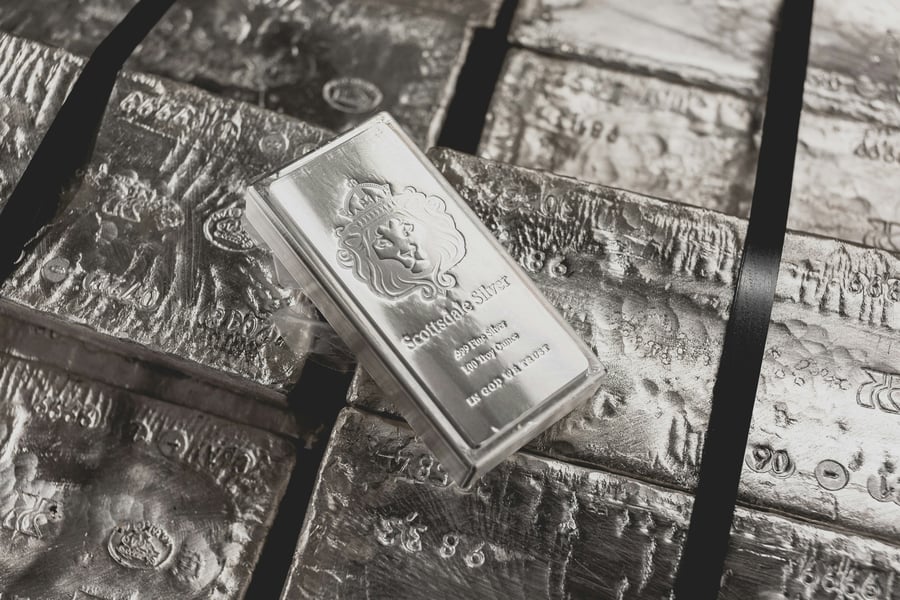
Gold is holding near record levels despite elevated U.S. real yields and a strong dollar, challenging the traditional view that higher interest rates necessarily reduce its appeal. Analysts attribute the resilience to central-bank buying, renewed exchange-traded-fund demand, strong Asian physical purchases and growing concerns about U.S. debt, fiscal stability and financial-system risks. Near-term pressure remains from expectations that the Federal Reserve may keep raising rates, while higher oil prices could reinforce inflation and further tightening. Market views are divided: some expect faster global growth and sustained high yields to weigh on gold, while others anticipate a bullish breakout as investors seek protection from debt and currency risks. Precious-metals commentator Bill Holter offers a more extreme warning, arguing that rising rates could eventually expose vulnerabilities across an overextended global debt and asset-price “everything bubble,” with gold and silver positioned as alternatives to fiat currencies.
Key Points
1
Gold has been trading within a $4,250–$4,400-per-ounce range, while the U.S. 10-year real yield reached 2.63%, its highest level in more than 20 years and 76 basis points above the start of the year.
2
Demand indicators were particularly strong in China: the country imported more gold during the first eight months of 2026 than during all of 2025, while Chinese gold ETFs added 44 tonnes in August, an 18% year-on-year increase.
3
Central banks bought roughly twice as much gold on average during 2022–2026 as they did during 2010–2021, and gold’s value share of official reserves has surpassed that of U.S. Treasuries.
4
The near-term rate debate is being compounded by oil and geopolitical risks: Pepperstone’s Chris Weston said a renewed oil-price rise could lift inflation expectations and strengthen the case for tighter monetary policy, while St. Louis Fed President Alberto Musalem said further rate increases may be needed to contain inflation driven by strong demand and a commodity shock extending beyond oil.
5
The concept of financial repression provides another explanation for gold’s appeal: governments may keep interest rates below inflation to reduce the real burden of public debt, transferring purchasing power from savers toward heavily indebted borrowers, including governments.
Sentiment
Mostly NegativeNEGATIVENEUTRALPOSITIVE
Publishers
16
Articles
20
Reach
36
A
AnonymousAuthor


