Russian Air Defense Incursion
South Korea Scrambles Fighter Jets After Russian Aircraft Enter Air Defense Zone
Anonymous
Key Points
1
One Russian A-50 early warning aircraft briefly invaded South Korean airspace near Dokdo twice, for a total of seven minutes, during the August 25 incident.
2
On June 27, more than 10 Chinese and Russian aircraft participated in a joint drill that entered the KADIZ, triggering South Korean fighter jets to scramble.
3
Seoul lodged formal protests with China and Russia over the unauthorized KADIZ entries, escalating diplomatic messaging alongside military scrambles.
4
Defense analysts note that Moscow-Beijing joint air drills have become more frequent, used to test regional response readiness and inter-allied communications.
5
In December of the previous year, nine Chinese and Russian aircraft entered and exited Korea’s KADIZ over the East Sea and the South Sea, indicating a recurring pattern of such incursions.
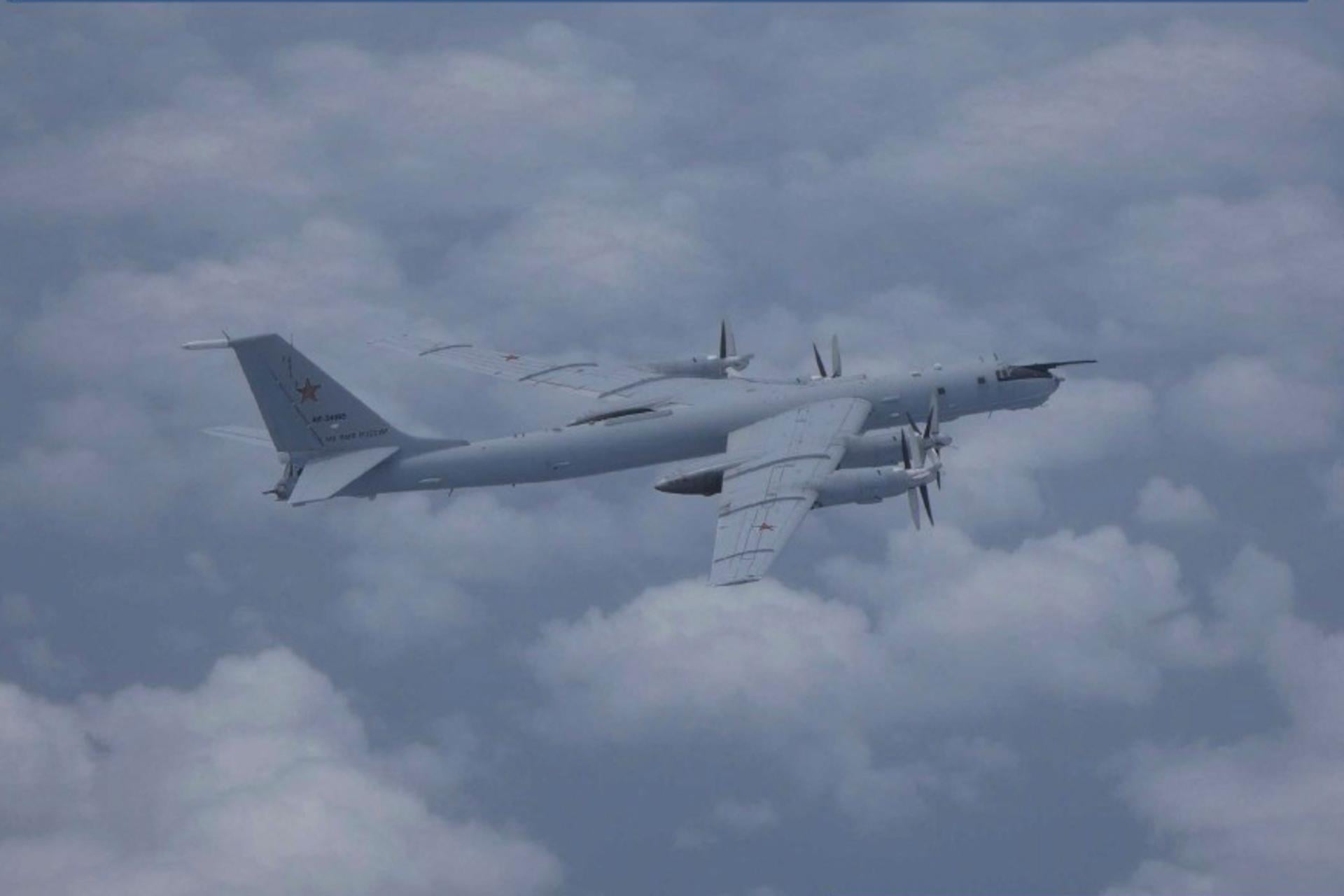
South Korea scrambled fighter jets after Russian military aircraft entered its air defense zone over the East Sea near Ulleungdo and Dokdo, according to Korea Joong Ang Daily. The Joint Chiefs of Staff detected the planes before entry and confirmed no violation of sovereign airspace occurred, as the Korea Air Defense Identification Zone (KADIZ) is an identification zone, not territorial airspace.
This marks the second such Russian incursion in recent weeks, Free Malaysia Today reported. Russia disputes the legal basis for South Korea's KADIZ under international law, while Seoul maintains that aircraft entering the zone should file flight plans and position notices in advance.
Russian A-50 Briefly Crosses Into Korean Airspace
On August 25, a Russian A-50 early warning aircraft violated South Korean sovereign airspace near Dokdo twice in a single incident, according to Head Topics. The intrusion lasted only seven minutes total before the plane exited the zone. Seoul lodged a formal diplomatic protest with Moscow over the unauthorized entry.
Escalating Pattern of Joint Chinese-Russian Drills
Moscow and Beijing are conducting joint air operations with increasing frequency. In June, more than 10 Chinese and Russian aircraft participated in a coordinated drill that entered the KADIZ, prompting South Korean fighter jets to scramble, Free Malaysia Today reported. Defense analysts say these exercises test regional response readiness and inter-allied communications.
The pattern extends back further. In December of the previous year, nine Chinese and Russian aircraft entered and exited Korea's KADIZ over both the East Sea and South Sea, demonstrating recurring incursions into the contested maritime corridor.
Seoul Distinguishes KADIZ From Sovereign Airspace
South Korea emphasizes that KADIZ is an identification zone, not sovereign airspace. Aircraft entering it typically require advance flight plans and position notices under international aviation practice. Head Topics noted that the Joint Chiefs of Staff prepare tactical contingencies but stress the legal distinction between KADIZ violations and airspace breaches.
Russia challenges the legal foundation of South Korea's KADIZ claim under international law. Seoul has lodged formal protests with both Moscow and Beijing over repeated unauthorized zone entries, escalating diplomatic messaging alongside military responses to the incursions.
Sentiment
Mostly NegativeNEGATIVENEUTRALPOSITIVE
Publishers
18
Articles
29
Reach
47
Topics
A
AnonymousAuthor


