Bristol Fighter Revival
Bristol Cars Returns to Production With Five New Fighter Supercars
Anonymous
Key Points
1
The first finished Bristol Fighter uses a 518 hp Dodge Viper V10, with an option to upgrade to 592 hp, which differs from some sources that cite 525 hp (600 hp uprated) as the standard/output figure.
2
The Fighter’s engineering heritage includes hand-beaten, wind-cheating aluminum bodywork designed under the influence of Max Bostrom, a former Brabham F1 engineer, with a drag coefficient of about 0.28.
3
Bristol plans to complete five original Fighter chassis to bring total Fighter production to 18; historically, 13 Fighters were delivered before the company went into administration in 2011.
4
The revival envisions exporting these cars to major markets, including the United States, under Show or Display rules, and offering right- or left-hand-drive configurations for international customers.
5
Richard Hackett, who was a close advisor to former owner Tony Crook, has been brought back to Bristol Cars as chairman to help steer the revival.
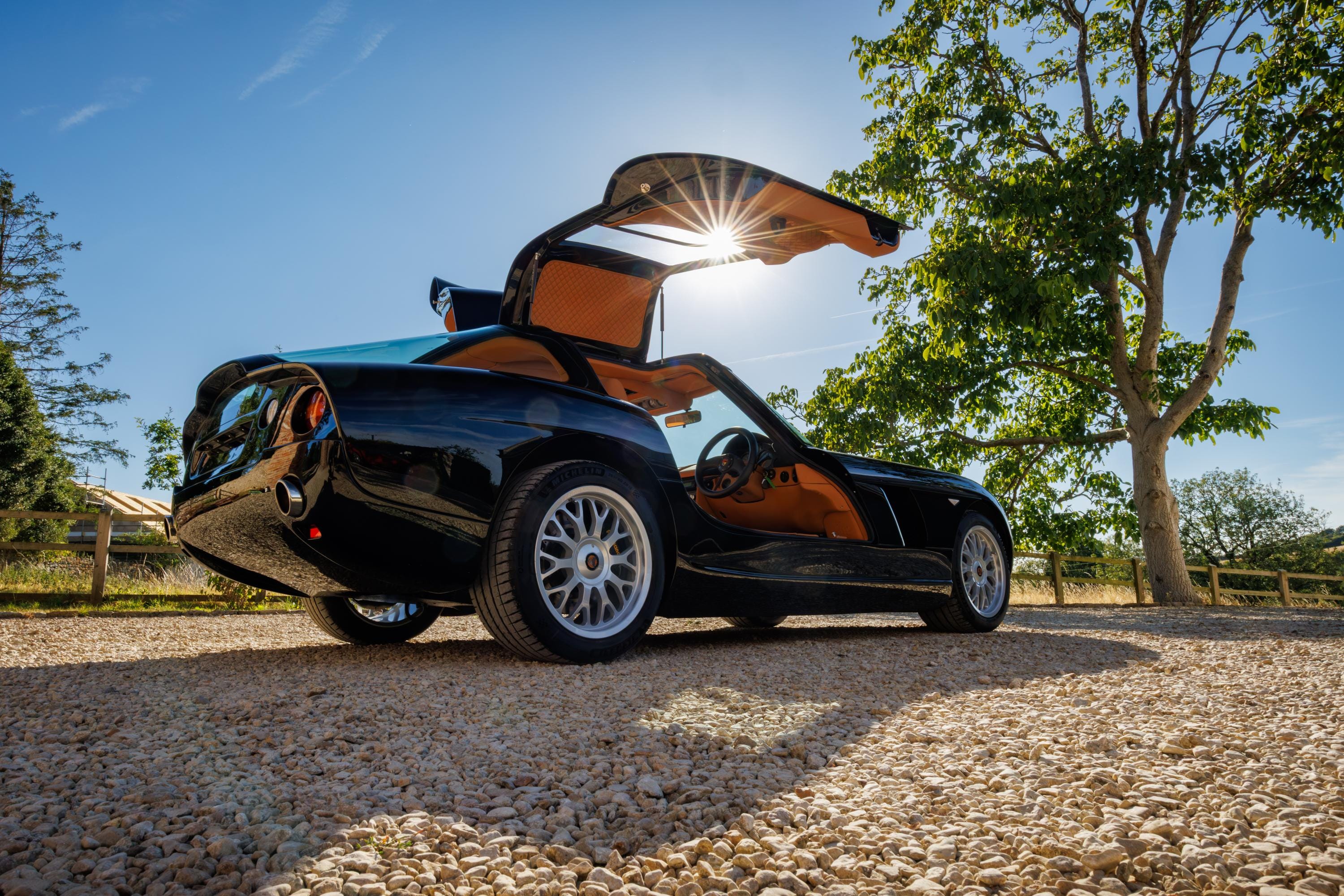
Bristol Cars has roared back to life after a 15-year silence, completing its first new Fighter supercar and planning four more. Car and Driver reports the black-finished Fighter with tan interior features gullwing doors and an 8.0-liter Dodge Viper V10 engine producing 525 horsepower, with an option to upgrade to 600 hp. The completed car will debut at Salon Privé, marking the start of a limited revival that honors the British brand's aviation-inspired engineering heritage.
Owner Paul King is orchestrating the comeback by finishing five original Fighter chassis using original drawings and components. Motor1 notes Bristol plans to build these cars in right- or left-hand drive for international markets, targeting top speeds near 210 mph. The revival includes Richard Hackett, former advisor to founder Tony Crook, now serving as chairman. This limited production aligns with Bristol's 80th anniversary and commitment to exclusivity and handcrafted detail.
From Unused Chassis to Bespoke Supercars
Bristol had 13 Fighters delivered before shutting down in 2011, leaving five original chassis sitting unused for over a decade. Yanko Design explains the new project will complete those five remaining chassis to bring total Fighter production to 18 cars. Each will be a bespoke build tailored to the owner's specifications. The first finished example showcases the brand's meticulous approach to low-volume manufacturing.
The Fighter's design language stems from aviation influence, with hand-beaten aluminum bodywork and a drag coefficient around 0.28. Motor1 notes the original engineering drew on Max Bostrom, a former Brabham F1 engineer, who shaped the car's wind-cheating aerodynamics and distinctive silhouette. This commitment to original specifications ensures the five new cars stay true to Bristol's engineering vision from two decades ago.
International Sales Push Under Show or Display Rules
Bristol is positioning these new Fighters for global export, particularly targeting United States buyers under Show or Display regulations. The cars will be available in both right-hand and left-hand-drive configurations to serve multiple markets. Motor1 confirms the British manufacturer has secured a local manufacturing partner to handle production and assembly. This approach allows Bristol to keep supply limited while reaching wealthy collectors worldwide.
Heritage Meets Modern Craftsmanship
Paul King's vision centers on reinstating Bristol's distinctive spirit—a philosophy rooted in hand-crafted detail and aviation-inspired engineering. Richard Hackett's return as chairman signals continuity with the brand's roots under founder Tony Crook, who built Bristol's reputation for uncompromising quality. FreeYork emphasizes the revival honors this legacy by using original materials and drawings rather than modern shortcuts. The five new Fighters represent not a mass-production restart, but a careful completion of an unfinished chapter.
Sentiment
Mostly PositiveNEGATIVENEUTRALPOSITIVE
Publishers
18
Articles
10
Reach
28
Topics
A
AnonymousAuthor


