Global Shipping Threatened
Yemen fighting escalates as fragile truce collapses, threatening vital global shipping corridors
Anonymous
Trending on XHouthis seize key Red Sea port and island, escalating regional tensions
Key Points
1
UN officials said the renewed fighting has displaced thousands of families: one government representative estimated at least 6,145 families, or roughly 44,000 people, while the UN envoy reported more than 11,400 households displaced since Sept. 3.
2
Saudi Arabia said Houthi strikes across several parts of the kingdom on Sept. 8 wounded 73 civilians, according to Saudi Ambassador Abdulaziz al-Wasil, who described the attacks as a broader threat to the region and international shipping.
3
The Bab al-Mandeb carries an estimated $1 trillion in goods annually, and disruption there could threaten Saudi oil shipments and global energy markets; crude oil was already trading above $100 a barrel, according to the Washington Times.
4
Saudi Arabia struck Sanaa’s international airport after accusing the Houthis of testing a blockade. The Houthis said the strike was intended to prevent a plane carrying Houthi leaders from returning from Iran after the funeral of Ayatollah Ali Khamenei.
5
The Houthis have declared a blockade against Saudi Arabia and are targeting its Red Sea shipping efforts, a strategy that Channel 4 described as mirroring Iran’s use of control over regional waterways to increase pressure on Gulf oil exports.
Yemen is sliding toward a wider civil war as the fragile truce between Iran-backed Houthis and Saudi-supported forces collapses. The Houthis captured the Red Sea port of Mokha, giving them control near the Bab al-Mandeb Strait—a waterway carrying an estimated $1 trillion in goods annually and crucial for global energy shipments Washington Times. The escalation threatens freedom of navigation and could disrupt oil markets worldwide, with crude already trading above $100 a barrel.
Fighting has spread across multiple provinces as Houthi attacks on Saudi civilian and energy infrastructure prompt fierce retaliation. UN envoy Hans Grundberg warned the conflict could enter a more dangerous phase with consequences far beyond Yemen's borders, urging all sides to preserve diplomatic channels and halt attacks on shipping UN Statement.
Thousands Displaced as Fighting Spreads Across Yemen
The renewed fighting has displaced tens of thousands of civilians. A government representative estimated at least 6,145 families—roughly 44,000 people—have fled their homes. The UN envoy reported more than 11,400 households displaced since September 3 UN Report. Hospitals and schools have become battle zones, and aid delivery remains severely hampered across the country.
Houthi Attacks Kill Dozens in Saudi Arabia
On September 8, coordinated Houthi strikes across Saudi Arabia wounded 73 civilians, according to Saudi Ambassador Abdulaziz al-Wasil Saudi Defense Ministry. The attacks targeted civilian areas and energy infrastructure. Saudi Arabia responded by striking Sanaa's international airport after accusing the Houthis of testing a blockade. The Houthis claim the strike aimed to prevent a plane carrying Houthi leaders from returning after Ayatollah Ali Khamenei's funeral.
Critical Shipping Lane Threatened by Blockade Strategy
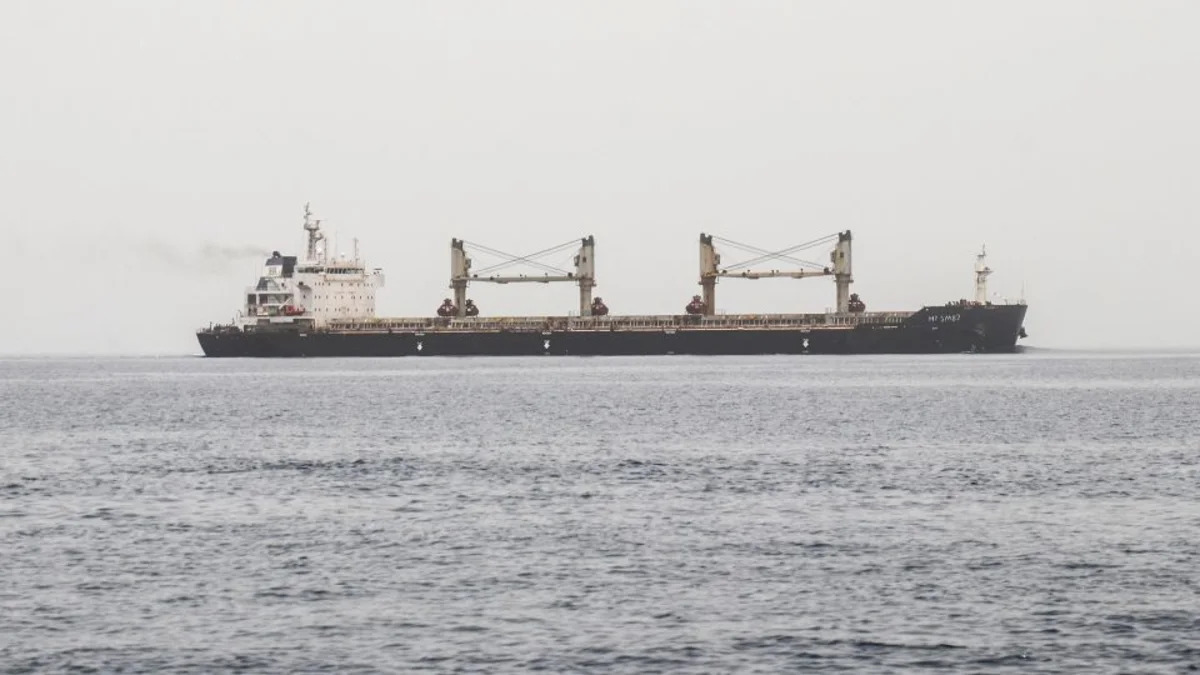
The Houthis have declared a blockade against Saudi Arabia and are targeting Red Sea shipping. The Bab al-Mandeb Strait carries roughly $1 trillion in annual trade and is the primary route for Saudi oil exports to Asia Yahoo Finance. A closure would threaten global energy security and disrupt oil supply chains across the world. Oil prices have already spiked above $100 a barrel due to market fears.
The strategy mirrors Iran's regional waterway control tactics to pressure Gulf oil exports Channel 4. Disruption at Bab al-Mandeb could force tankers to take longer, costlier routes around Africa. Energy markets are bracing for potential supply shocks as the standoff continues.
Iran and Saudi Arabia Explore Diplomatic Solutions
Iran and Saudi Arabia held discussions about the region's growing insecurity and emphasized diplomatic efforts to prevent escalation Reuters. Tehran stressed that military intervention alone cannot resolve Yemen's crisis and called for sustained peace talks. Despite these diplomatic overtures, tensions remain high as Houthi offensives continue and Saudi retaliation intensifies. Observers say the risk of a wider regional conflict has grown substantially.
Sentiment
Mostly NegativeNEGATIVENEUTRALPOSITIVE
Publishers
19
Articles
42
Reach
61
A
AnonymousAuthor


