Missile Depletion Concerns
US Missile Stockpiles Critically Low After Iran War, Raising Concerns for Global Deterrence
Anonymous
Key Points
1
Central Command has replenished stock from other U.S. storage facilities around the world, but the overall capacity for additional strikes against Iran remains limited.
2
Patriot interceptors have fallen about 65% from roughly 2,200 pre-war to about 827–1,000, while THAAD interceptors are down about 38% to roughly 234–278, signaling steep depletion of major air-defense stockpiles.
3
Tomahawk missiles have seen explosive use, with more than 1,000 fired in months — roughly ten times the typical annual production rate.
4
CSIS estimates that over 50% of stockpiles across at least four of seven heavily used munition types have been expended, underscoring how quickly inventories have eroded.
5
PrSM stockpiles were already low at the outset because PrSM is newer, while ATACMS are being phased out in favor of PrSM, with large orders placed for 2027.
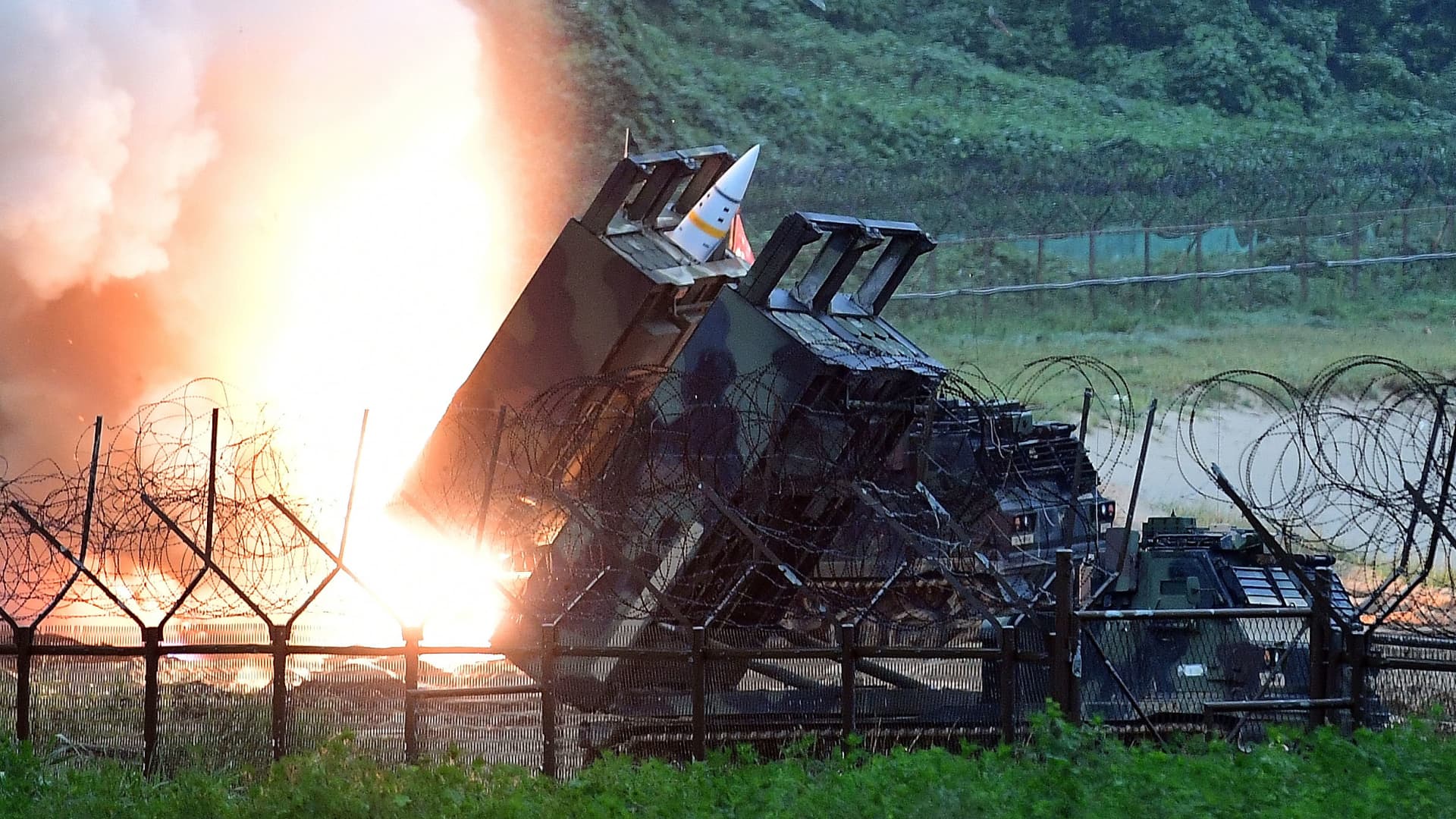
The U.S. Army has used "virtually all" of its highly accurate long-range missiles during its five-month war with Iran, according to Reuters. Three people familiar with the data say stockpiles of key weapons — including ATACMS, PrSM, and Tomahawk cruise missiles — have fallen to critically low levels, raising fears about America's ability to fight in other parts of the world.
The scale of depletion is stark. CNBC reports that more than 1,000 Tomahawk missiles have been fired in just months — roughly ten times the number the U.S. produces in a typical year. Analysts warn the damage to American readiness could last well into the late 2020s.
How Fast the Missile Stockpiles Collapsed
Before the war, the U.S. held roughly 2,200 Patriot interceptors. That number has since fallen to between 827 and 1,000 — a drop of about 65%, according to HuffPost. THAAD interceptors, used to shoot down ballistic missiles at high altitude, are down about 38%, sitting at just 234 to 278 units. Both systems are central to defending U.S. troops and allies in the region.
The Center for Strategic and International Studies estimates that more than 50% of stockpiles across at least four of seven heavily used munition types have been spent, according to South China Morning Post. The U.S. Central Command has pulled weapons from storage depots around the world to fill the gap — but officials warn that room to absorb further strikes against Iran is now very limited.
Tomahawk Missiles Burned Through at Shocking Rate
The Tomahawk cruise missile has taken the heaviest hit. The U.S. fires about 100 Tomahawks per year in peacetime production. During the Iran conflict, more than 1,000 were launched in just a few months, according to CNBC. That means the military spent roughly a decade's worth of production in a single conflict.
Restoring those numbers will take years. The Pentagon has responded with large contracts. In July, Lockheed Martin received a $58.6 billion deal to replenish Patriot interceptors — one of the biggest munitions contracts in U.S. history, according to Newsy Today. Even so, analysts say production lines cannot ramp up fast enough to cover what has already been lost.
ATACMS Phase-Out Leaves a Gap PrSM Cannot Fill Yet
The Army's older ATACMS rocket — a key long-range ground weapon — is being phased out in favor of the newer Precision Strike Missile, or PrSM. PrSM flies farther and hits harder. But PrSM stockpiles were already small when the war began, because the weapon is new, according to South China Morning Post. Large orders for PrSM have been placed, but most deliveries are not expected until 2027.
That leaves a dangerous window. The U.S. is running low on the old missile and does not yet have enough of the new one. Analysts say the Iran war has accelerated this transition by years — but not in a good way. It has exposed how thin the inventory really was.
Pentagon Pushes Back, but Private Warnings Grow Louder
Pentagon officials have publicly insisted that American military capability remains strong. But private assessments tell a different story. HuffPost reports that officials privately worry the U.S. is not ready to deter Russia or China if a new crisis breaks out while stockpiles remain this low. Transfers from other global depots have helped, but they thin out readiness elsewhere.
President Donald Trump, who launched the Iran war alongside Israel, has faced growing questions about what depleted stockpiles mean for deterrence. TASS noted that Reuters' reporting signals a wider concern: the U.S. went into a major conflict without enough missiles to last, and rebuilding will take years longer than the war itself.
Sentiment
Mostly NegativeNEGATIVENEUTRALPOSITIVE
Publishers
68
Articles
206
Reach
274
A
AnonymousAuthor


