Venice Gender Imbalance
Venice Jury President Maggie Gyllenhaal Calls Out Festival Over Stark Gender Imbalance
Anonymous
Key Points
1
Original Venice lineup had only one woman-directed film in the main competition; May El-Toukhy's Woman Unknown was the sole women-directed title in the initial lineup, with NAZA added later to improve the balance.
2
NAZA centers on Israel's targeting of civilians in Gaza and is co-directed by Rachel Szor, an Oscar-winning Israeli filmmaker.
3
Barbera defended the selections as without prejudice and said submissions from women directors had not been strong enough to secure more spots, a stance that drew an open letter from Italian campaign and industry groups.
4
Gyllenhaal remarked, 'There’s a systemic problem. Who decides what's good? Who decides what's valuable?' and framed her role as jury head as a platform to provoke change in the industry.
5
Venice’s main competition this year included two women-directed films, a drop from six in the previous year, underscoring ongoing tensions over gender representation and gatekeeping in top-tier cinema.
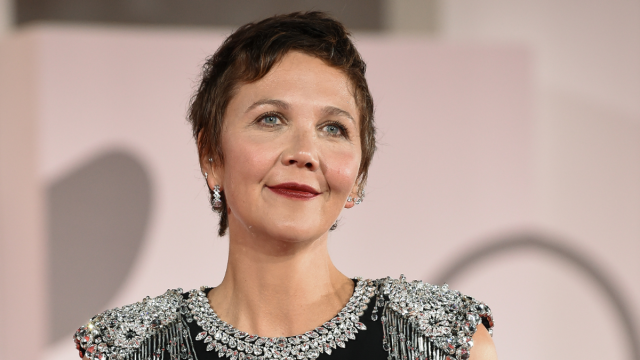
Maggie Gyllenhaal, jury president at the 2026 Venice Film Festival, criticized the event's stark gender imbalance, calling it proof of a "systemic problem" in cinema. Fashion Times reported only two women-directed films made the main competition lineup — down sharply from six the previous year — prompting Gyllenhaal to question who decides what art matters.
The original slate included just one woman-directed film: May El-Toukhy's "Woman Unknown." A second film, "NAZA," was added later, co-directed by Oscar-winning Israeli filmmaker Rachel Szor. Gyllenhaal used her platform to demand answers: "There's a systemic problem. Who decides what's good? Who decides what's valuable?"
Festival Director Defends Selections, Blames Weak Submissions
Venice director Alberto Barbera pushed back, saying selections were made without prejudice. Mandatory reported Barbera argued that submissions from women directors simply hadn't been strong enough to earn more spots in the main competition. His defense sparked swift backlash from Italian industry groups and campaign organizations.
Money and Gatekeeping: Why Women Filmmakers Struggle
Gyllenhaal zeroed in on financing as the real barrier. Women directors face harder fundraising than men, she argued, making it tougher to mount projects studios consider "festival-worthy." She framed the Venice numbers as symptomatic of deeper industry gatekeeping — not just at film festivals, but in how cinema itself assigns value and prestige.
A Jury President Using Her Pulpit for Change
As jury head, Gyllenhaal positioned herself to spark real dialogue about inclusion and representation. Yahoo noted she acknowledged progress remains incomplete but insisted her role carries weight to push the industry forward. The Venice standoff underscores a growing tension: artistic merit versus systemic barriers that keep women directors off the festival's biggest stages.
Sentiment
Mostly NegativeNEGATIVENEUTRALPOSITIVE
Publishers
10
Articles
16
Reach
26
Topics
A
AnonymousAuthor