Steam Deck 2 Plans
Valve maintains plans for Steam Deck 2 despite ongoing global RAM shortages.
Anonymous
Key Points
1
Valve has previously said it will not release a true second-generation Steam Deck until it can achieve a generational improvement in computing performance without sacrificing battery life, rather than merely offering a modest upgrade.
2
The original Steam Deck’s aging Zen 2/RDNA 2-based APU is increasingly challenged by recent AAA games, even though the device continues to run much of the broader PC game library successfully.
3
Rumors earlier this year suggested that Valve could target 2028 for the Steam Deck 2, although Valve itself has not confirmed that timeframe.
4
Valve’s 2026 hardware rollout includes three products—the Steam Controller, Steam Machine and Steam Frame—making the Steam Deck the remaining major product in the company’s hardware lineup without a next-generation version announced.
5
Valve’s approach to the successor has reportedly been under development for years, with Griffais and fellow developer Jeff Leinbaugh described as working on the product’s user experience and design goals even though the release timing remains unresolved.
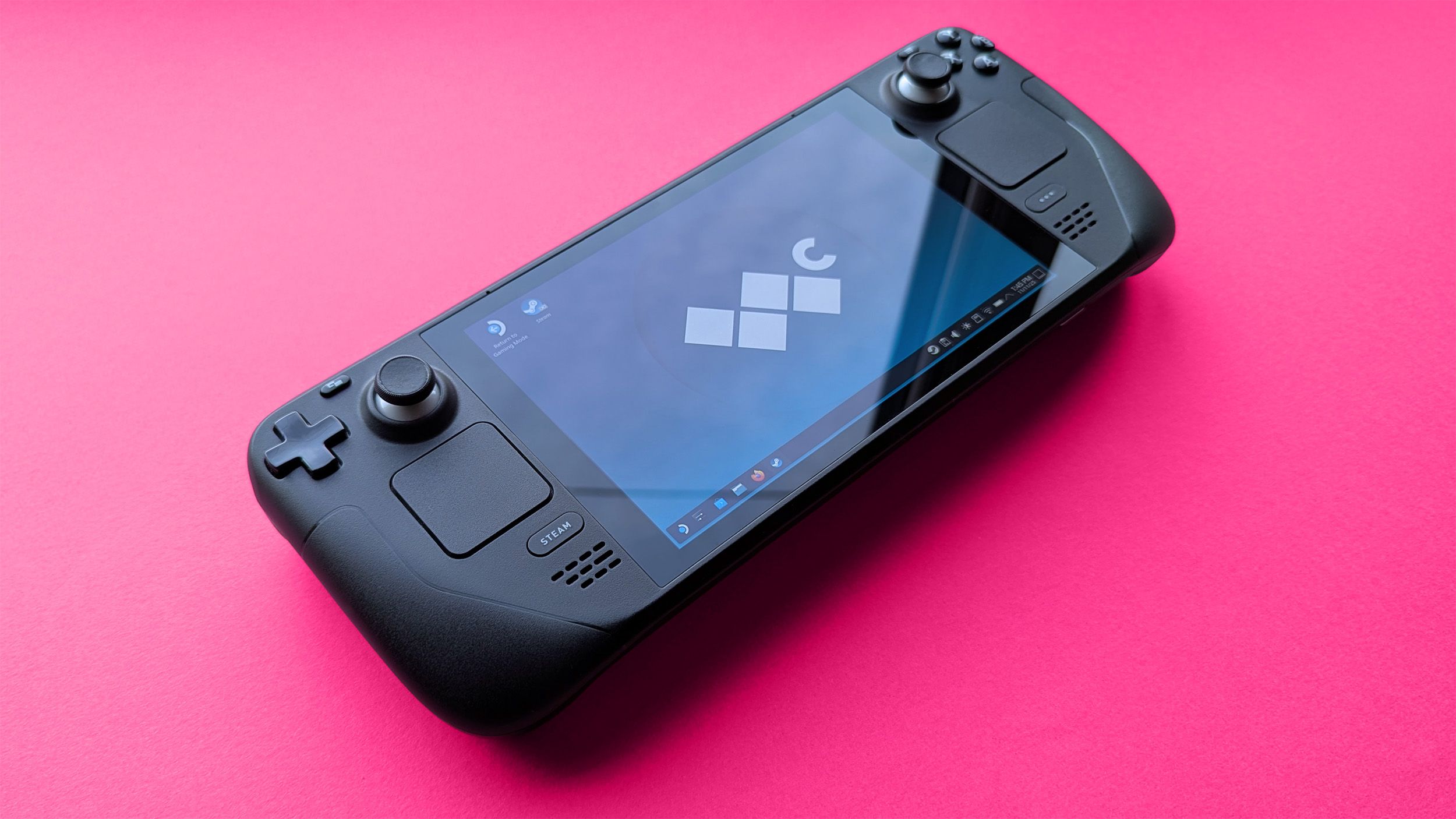
Valve is pushing ahead with Steam Deck 2 development despite a global RAM shortage and rising hardware costs. Engineer Pierre-Loup Griffais said the company remains committed to delivering a substantial performance jump while keeping the device affordable and efficient, The ShortCut reported. No release date has been announced, and timing will hinge on component availability and whether Valve can hit its price targets.
The original Steam Deck launched at $399–$649 and uses aging Zen 2/RDNA 2 processors that struggle with newer AAA games. Competing Windows handhelds offer more power but cost significantly more. KitGuru noted that Valve's recent hardware launches have priced higher than expected, raising the possibility that Steam Deck 2 could exceed the first model's price range.
Why Valve Won't Rush a Half-Baked Upgrade
Valve has a strict bar for the Steam Deck 2: it will only launch when a true generational performance leap is possible without destroying battery life. Windows Central reported that Griffais emphasized the company won't ship a modest refresh. This philosophy kept the Steam Deck 2 in development limbo for years even as competitors released faster handhelds.
Component Shortages Haven't Changed the Roadmap
The RAM crisis and SSD shortages that began in 2024 have spiked memory costs and forced price hikes on existing Steam Deck models. Hot Hardware reported that these supply pressures haven't forced Valve to abandon its performance targets. Instead, the company is absorbing uncertainty about when it can source parts at acceptable costs—a wait-and-see approach that could delay launch into 2027 or 2028.
Valve's development team, including Griffais and fellow engineer Jeff Leinbaugh, has spent years refining the successor's design and user experience. AS English confirmed that Valve is actively working on the device even without a public timeline. The real bottleneck is finding the right combination of performance, power efficiency, and price.
Competing Handhelds Leave Room for Steam Deck 2
ASUS ROG Ally, MSI Claw, and OnXMoto handhelds already pack faster chips and deliver higher frame rates. But they typically cost $499–$749 and drain batteries faster than the original Steam Deck. The Short Cut noted that these trade-offs give Valve an opening: a device that beats current competitors on efficiency while matching or exceeding their raw performance could justify a premium price for power users.
Valve's Broader Hardware Slate Moves Forward Without Steam Deck 2
Valve has scheduled launches for the Steam Controller, Steam Machine, and Steam Frame in 2026—a major push that leaves the Steam Deck as its only flagship handheld without a next-gen version. This staggered approach lets Valve focus engineering resources on each product without forcing Steam Deck 2 into the market before it's ready. The company has shown willingness to delay hardware rather than ship compromised products.
Sentiment
Mostly NegativeNEGATIVENEUTRALPOSITIVE
Publishers
23
Articles
7
Reach
30
A
AnonymousAuthor


