European Construction Slump
Germany and Italy Construction Sectors Shrink as PMI Readings Remain Below Fifty
Anonymous
Key Points
1
In Germany, civil engineering activity fell only fractionally, making it more resilient than housing and commercial construction in September.
2
German construction firms cut their workforce at the fastest pace since April, while new orders declined at their slowest rate in three months.
3
Italian firms said Middle East war-related logistical and transport disruptions, along with stock shortages, contributed to lengthening input delivery times.
4
Italian construction companies reduced input purchasing sharply after recent site completions and lower order volumes; subcontractor use also fell, though by far less than in August.
5
Some Italian firms reported winning more public bids, which they cited alongside strong work pipelines as a reason for expecting output to grow over the next 12 months.
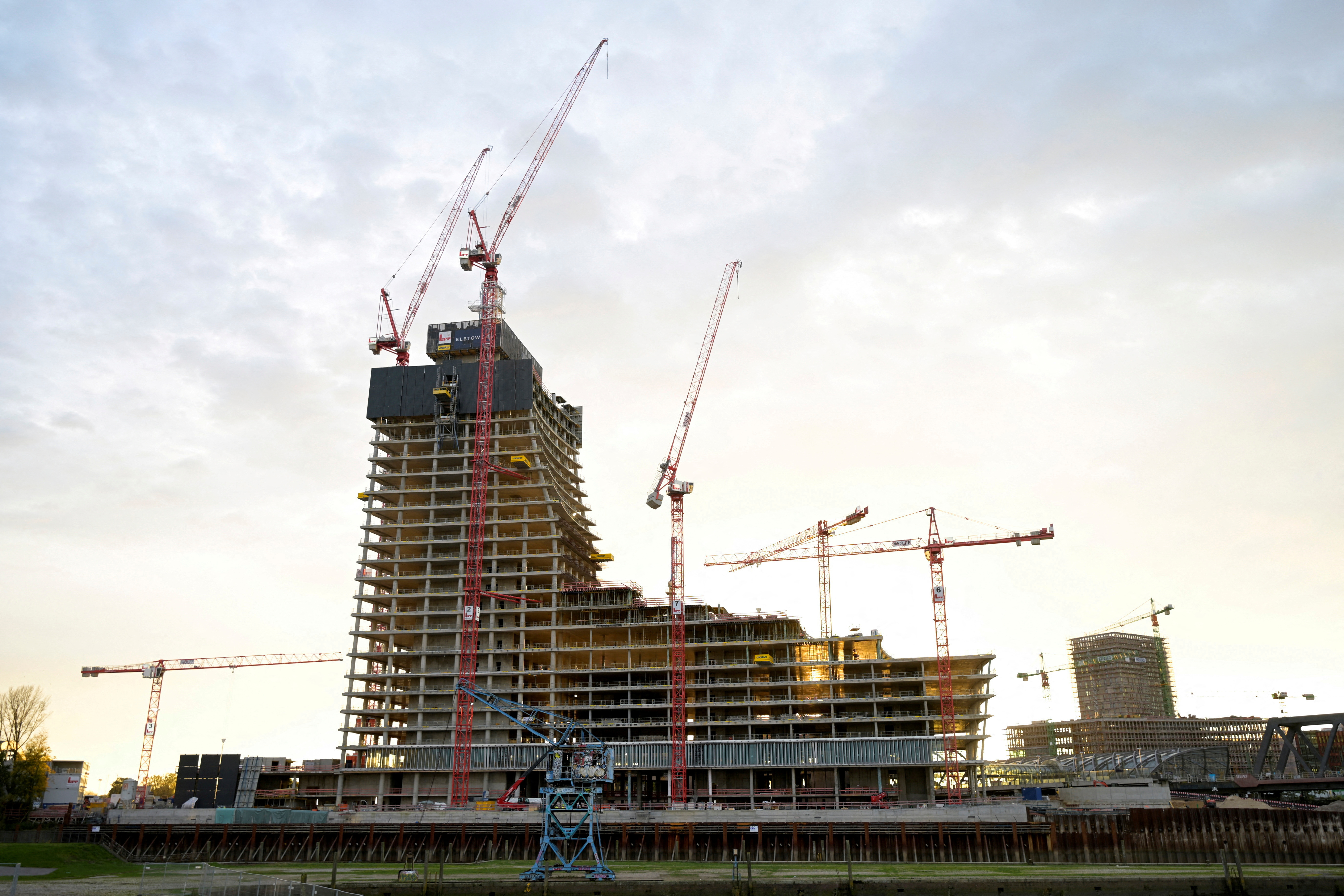
Germany and Italy's construction sectors both contracted in September, with weakness spreading across housing and commercial work. RTT News reported that Germany's S&P Global PMI fell sharply to 43.5 from 48.7, signaling accelerating decline. Trading View noted that Italy's index improved to 46.5 from a four-year low of 41.7, but activity remained in contraction territory for the seventh straight month.
Both countries face mounting cost pressures and slowing new orders. German firms cut jobs at the fastest pace since April and turned pessimistic about the outlook. Italian companies reported modest employment growth and cite public bids and strong pipelines as reasons for cautious optimism, though Middle East disruptions are lengthening delivery times.
Germany's Sharp Construction Decline Accelerates
RTT News reported that Germany's construction PMI plunged to 43.5 in September from 48.7 in August, marking the fastest contraction in recent months. Housing work collapsed sharply, while commercial activity slipped back into decline. Trading View noted that this represents a deterioration from an eight-month high, signaling broad-based weakness across the sector's main segments.
Employment cuts accelerated to their fastest pace since April. New orders fell, though at a slower rate than in prior months. RTT News highlighted that purchasing activity weakened alongside rising input costs. Civil engineering proved more resilient, with only fractional declines. German firms remain deeply pessimistic about coming months.
Italy Stabilizes Slightly as Contractions Persist
Italy's construction PMI rose to 46.5 in September from a four-year low of 41.7 in August, offering modest relief after months of steep declines. Trading View noted that housing led the contraction for the seventh consecutive month. Despite the improvement, the index remains well below 50, indicating ongoing weakness in activity and new orders.
Italian firms reported modest employment growth and remain hopeful about the year ahead, buoyed by winning more public construction bids and solid work pipelines. However, Trading View reported that confidence trails its historical average. Middle East war disruptions caused logistical delays and stock shortages, lengthening input delivery times. Companies cut purchasing sharply following recent project completions and lower order volumes.
Cost Pressures Mounting Across Both Markets
Rising input costs are squeezing margins in both Germany and Italy. RTT News reported that German firms face accelerating cost pressures even as new orders slow. Trading View noted that Italian contractors grapple with faster-rising costs alongside lengthening delivery times caused by Middle East-related supply chain disruptions and stock shortages.
These twin pressures—weaker demand and higher expenses—are forcing both nations' builders to cut costs elsewhere. German firms reduced staff at the fastest pace in five months. Italian companies sharply reduced purchasing after recent completions, though subcontractor use fell less steeply. The outlook remains challenging for European construction heading into Q4.
Sentiment
Mostly NegativeNEGATIVENEUTRALPOSITIVE
Publishers
16
Articles
34
Reach
50
Topics
A
AnonymousAuthor


