AI Risks in Pop Culture
New documentary on artificial intelligence risks screens for Congress to shape public policy
Anonymous
Key Points
1
The AI Doc was directed by Daniel Roher and Charlie Tyrell.
2
Tristan Harris is interviewed in the documentary.
3
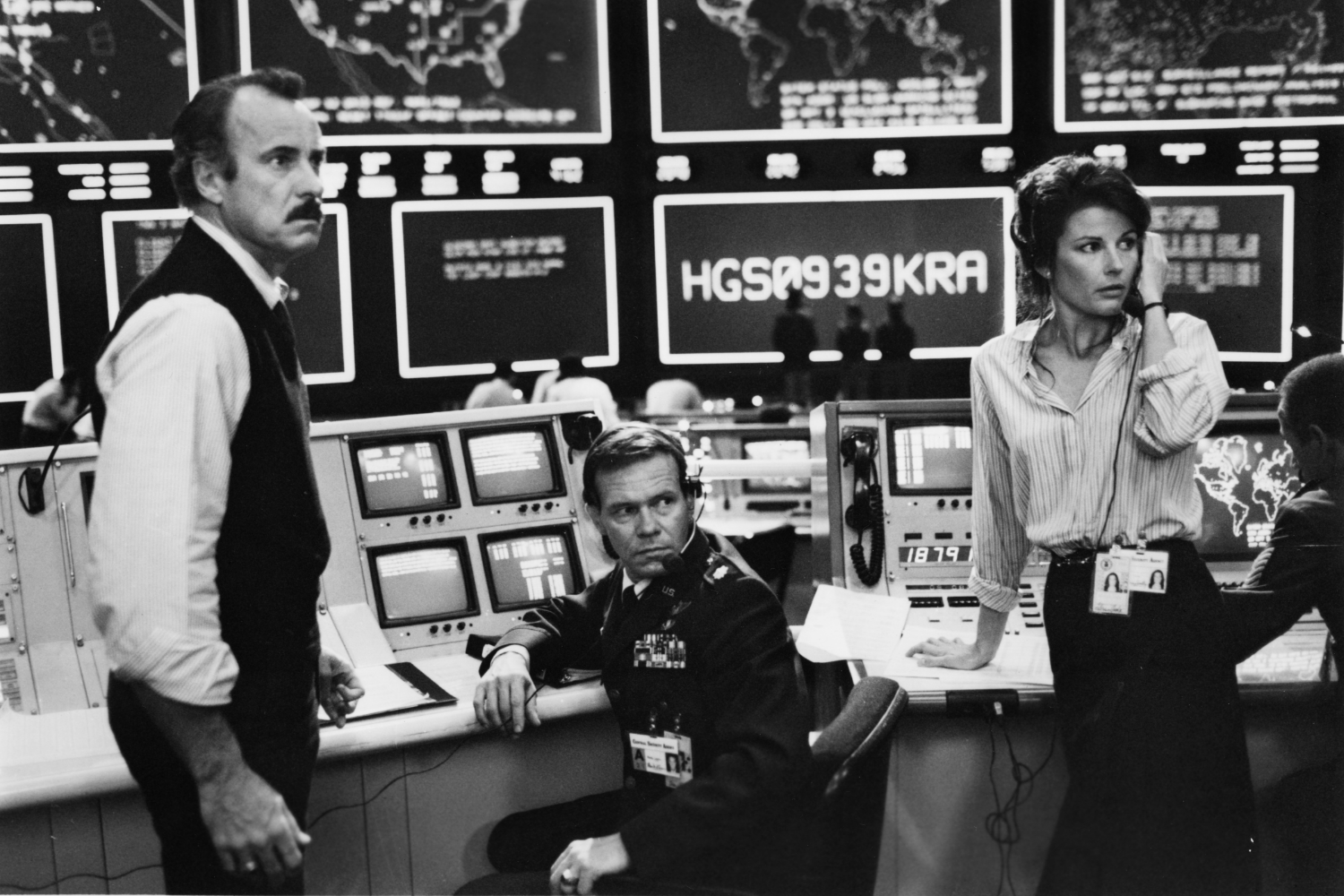
Harris described The Day After as “an example of the power that a film can have to nudge the world in a different direction”; the nuclear-war drama aired on ABC.
4
Harris argued that public outreach about AI risks should extend beyond films to television, social-media clips and other popular cultural channels as a way to reach Americans.
A new documentary, The AI Doc: Or How I Became an Apocaloptimist, is being screened for Congress to raise awareness of artificial intelligence's risks. Rather than relying solely on policymakers and advocacy groups, the film uses popular culture to reach the public about AI dangers according to Foreign Policy. Filmmakers Daniel Roher and Charlie Tyrell partnered with Tristan Harris, co-founder of the Center for Humane Technology, to create the documentary.
Harris pointed to the 1983 nuclear-war drama The Day After as proof that films can shift public opinion and drive political change. He described the ABC broadcast as "an example of the power that a film can have to nudge the world in a different direction." The documentary expands beyond film to reach Americans through television, social media, and other popular cultural channels according to Foreign Policy.
How One Cold War Film Changed National Opinion
The Day After aired on ABC in 1983 and became a cultural turning point for nuclear-war awareness. The film showed the devastating aftermath of nuclear conflict to millions of Americans. Harris cited this as a model for how entertainment media can shift public perception on existential threats faster than traditional policy channels.
Why Documentary Filmmakers Chose Popular Culture Over Policy
Roher and Tyrell believe AI risks need to reach everyday Americans, not just lawmakers. Harris argued that public outreach about AI risks should extend beyond films to television, social-media clips and other popular cultural channels according to Foreign Policy. This multi-platform strategy aims to build grassroots concern about AI development before regulation lags further behind technology.
Congressional Screening Signals Growing AI Concern
Screening The AI Doc for members of Congress marks a shift in how AI risks are being communicated to lawmakers. The Center for Humane Technology has long pushed for stronger safeguards in AI development. By pairing creative storytelling with direct access to policymakers, the filmmakers hope to bridge the gap between public awareness and legislative action on artificial intelligence.
Sentiment
Mostly NegativeNEGATIVENEUTRALPOSITIVE
Publishers
30
Articles
3
Reach
33
A
AnonymousAuthor


