Congress Alleges SIR Deletion Risk for One-Third Voters
Congress Alleges SIR Deletion Risk for One-Third Voters
Anonymous
Key Points
1
The third phase of the revision began in mid-2026 across 16 states and three Union Territories, although the figures cited by Congress covered only 12 states and two Union Territories.
2
Congress said the combined share of deleted voters and those facing possible deletion varied sharply by jurisdiction, reaching 53.73% in Delhi, 52.58% in Chandigarh and 48.90% in Telangana; it also cited 39.57% in Jharkhand.
3
Jairam Ramesh questioned the internal logic of the process, asking: “After such a large round of deletion, how can there still be so many additional voters who need to ‘be verified’?”
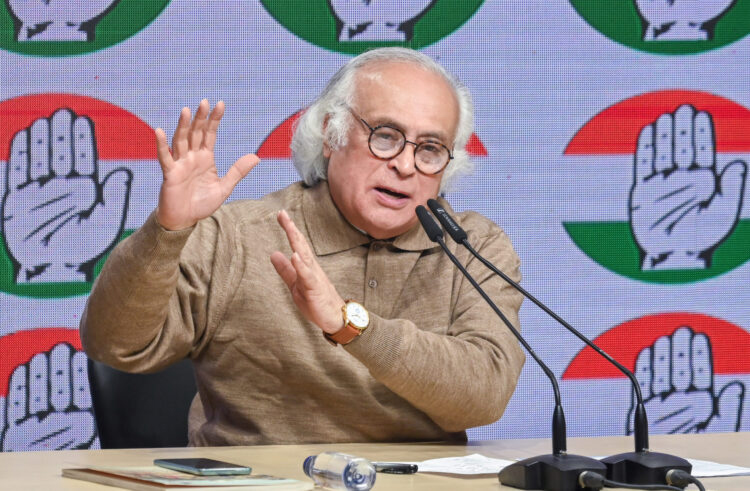
Congress alleged that India's Election Commission is deleting voter names at an alarming rate, calling the effort a politically motivated "Shah Instigated Removal." Congress leader Jairam Ramesh said 6.18 crore voters were already deleted in the third phase, with another 5.43 crore facing removal notices — totaling about one in three voters at risk across 12 states and two Union Territories.
The party claims the deletions fall hardest on poor people, marginalized communities, and women. Congress called the process an "assault on the Constitution" and questioned why so many deletions occurred if the rolls needed cleansing.
Third Phase Deletion Numbers Spike Dramatically
The Special Intensive Revision's third phase, which began in mid-2026, has removed far more voters than earlier rounds. Congress reported 6.18 crore deletions out of 36.06 crore total voters in the 12 states and two Union Territories it tracked — a 17.1% deletion rate.
Earlier phases proved just as aggressive. Congress said the first two phases together deleted 7.8 crore names. The combined first and second phase deletions plus the third phase removals total 13.98 crore voters erased from rolls since the revision began.
Delhi and Chandigarh See Highest Deletion Rates
Some regions face far steeper voter losses than others. Congress cited deletion rates of 53.73% in Delhi, 52.58% in Chandigarh, and 48.90% in Telangana — more than half of eligible voters removed or at risk. Jharkhand also saw 39.57% of its voters threatened with deletion.
These stark differences raise questions about whether the process targets specific states. The wide variation between jurisdictions suggests uneven application of the deletion criteria.
Congress Questions Logic of Massive Verification Gaps
Congress leader Jairam Ramesh highlighted a contradiction in the Election Commission's approach. After deleting 6.18 crore voters, the agency sent notices to 5.43 crore others seeking additional documents to verify their status — nearly as many people challenged as permanently removed.
Ramesh asked: "After such a large round of deletion, how can there still be so many additional voters who need to be verified?" The question suggests the Election Commission lacked clear criteria for deciding who stays on the rolls and who gets removed.
Vulnerable Groups Bear the Brunt of Removals
Congress contended that the deletion wave disproportionately harmed poor people, minorities, and women — groups least able to navigate complex verification procedures. The party framed the SIR as targeting economically disadvantaged voters who may lack proper documents to prove their eligibility.
By removing these voters without clear legal grounds, Congress argued the Election Commission was dismantling constitutional protections. The party called the process an "assault on the Constitution" and demanded immediate action to restore voting rights.
Sentiment
Mostly NegativeNEGATIVENEUTRALPOSITIVE
Publishers
18
Articles
23
Reach
41
A
AnonymousAuthor