Lawsuits Challenge Public-Charge Rule
States and Cities Sue Trump Administration to Block New Public-Charge Rule
Anonymous
Key Points
1
The policy also applies to parents of U.S.-citizen children who receive public benefits, potentially allowing immigration officers to deny those parents’ green-card applications.
2
Certain immigration categories—including refugees, asylees and other humanitarian entrants—are exempt from the public-charge test, according to USCIS.
3
USCIS says benefits received before Sept. 18 will generally be assessed under the narrower standard covering cash assistance for income maintenance and long-term institutionalization, while benefits received on or after that date may include “any and all” means-tested benefits in a case-by-case review.
4
The local-government lawsuit was filed Sept. 14 in federal court in Manhattan and asks the judge not only to block enforcement but also to invalidate the rule and accompanying immigration guidance.
5
A comparable public-charge regulation adopted during Trump’s first term was previously blocked by the courts, adding a prior legal precedent to the new challenges.
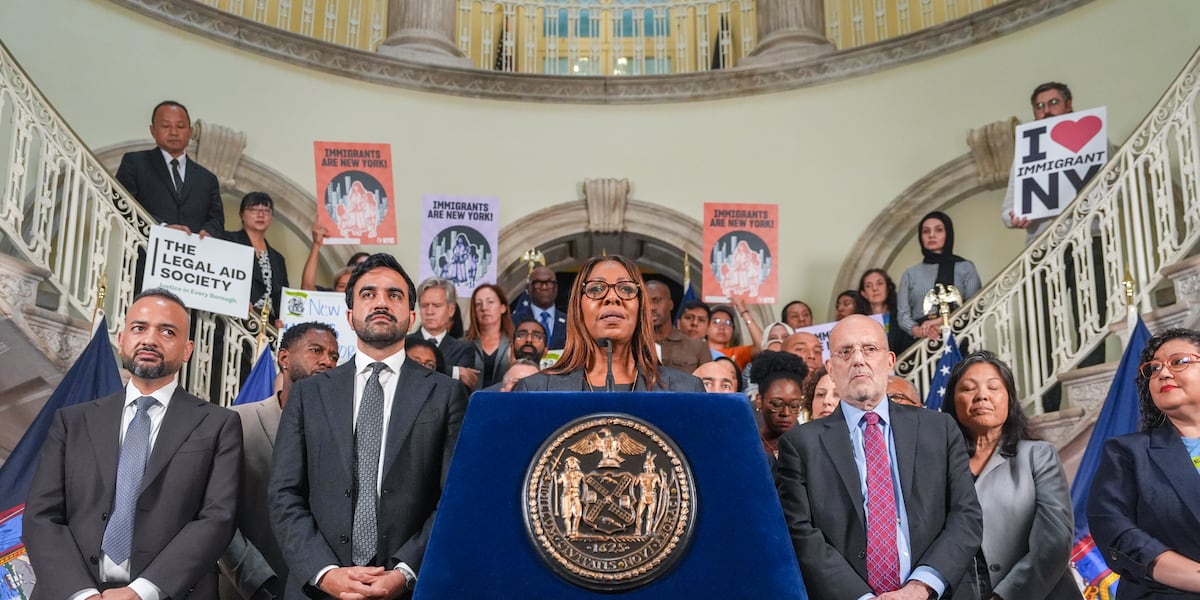
New York City, Chicago, San Francisco, and other cities sued the Trump administration on September 14 to block a public-charge rule taking effect September 18. Yahoo News reported the rule would let immigration officers deny green cards or visas to applicants who use Medicaid, food assistance, housing help, school meals, cash aid, or college financial aid. NY Attorney General leads a separate lawsuit by 22 states and Washington, D.C. attacking the same policy.
The rule revives a Trump-era policy repealed under Biden. Local officials warn it will scare eligible immigrants away from benefits, overwhelming emergency rooms and hurting local economies. The administration says it promotes self-sufficiency, but critics note benefits use would only count against applicants—not automatically disqualify them—alongside factors like age, health, and employment.
Local Governments Fear Chilling Effect on Medicaid
Cities and states argue the vague rule will deter immigrant families from using benefits legally available to them. IBTimes reported NYC Mayor Zohran Mamdani warned the policy could drive families off Medicaid. When immigrants skip preventive care and food assistance, untreated needs become emergencies. Local hospitals and emergency rooms absorb the costs. Reduced benefit use also weakens spending at local businesses and cuts federal reimbursements tied to program participation.
The rule affects even parents of U.S.-citizen children. Immigration officers can now weigh their public-benefit use when deciding green-card applications. Because the guidance does not list which benefits count, families reasonably fear that Medicaid, housing, food, education, or tax credits could weaken their cases. No automatic denial occurs—but the uncertainty itself chills participation.
Expanded Benefits Include Education and Housing
The rule is far broader than its 2019 predecessor. USCIS says benefits received before September 18 fall under the old narrow standard covering only cash assistance for income maintenance and long-term institutionalization. Starting September 18, the assessment shifts to case-by-case review of 'any and all' means-tested benefits. This now includes Medicaid, food stamps, housing vouchers, school meals, and college financial aid—categories never scrutinized before.
Refugees, asylees, and other humanitarian entrants remain exempt from the public-charge test. USCIS confirmed this protection. But ordinary visa and green-card applicants face heightened scrutiny. The lawsuit asks the court to block enforcement, invalidate the rule, and strike accompanying immigration guidance that spells out how officers should evaluate benefit use.
Courts Previously Blocked Trump's 2019 Version
A comparable public-charge rule adopted during Trump's first term was later blocked by courts. Vermont and NY join the new lawsuit challenging the 2025 policy with that legal precedent as ammunition. If courts find the new rule similarly exceeds statutory authority or is unconstitutionally vague, the lawsuits could succeed before the September 18 start date. The Trump administration maintains the rule enforces existing law allowing officials to consider whether applicants might become a public charge.
The federal statute gives immigration authorities discretion to weigh public-benefit use. But the new guidance expands what counts and removes clarity on how officers apply it. Challengers argue this vagueness violates the Administrative Procedure Act and constitutional due-process rights. The stakes are high: the policy could reshape immigrant access to health, food, and housing support nationwide.
Sentiment
Mostly NegativeNEGATIVENEUTRALPOSITIVE
Publishers
70
Articles
271
Reach
341
A
AnonymousAuthor


