Oil Surge Hits Tech
Asian Markets Slide as Middle East Tensions and Oil Rally Hit Tech Stocks
Anonymous
Key Points
1
In India, the Sensex fell 226.60 points to 77,028.56 and the Nifty declined 120.40 points to 24,053.55 in early trade, with major laggards including Infosys, Tata Steel, InterGlobe Aviation, Bajaj Finance, Tata Consultancy Services and Titan, while HDFC Bank rose over 2% and Kotak Mahindra Bank and Bharti Airtel posted gains.
2
In Korea, the Kospi faced notable weakness with Samsung Electronics and SK Hynix among the top drags in AI/semiconductor names, with the index down about 2.1% (and reports noting roughly 2.5% in related sessions).
3
U.S. Treasuries were firmer in parts of Asia, with the two-year yield hovering around 4.33% after Warsh’s Jackson Hole remarks, while Bloomberg’s dollar gauge eased, signaling a mixed dollar-yield response to the hawkish signals.
4
Brent crude traded near $90 a barrel, moving higher to around $90.19–$90.23 after the U.S. struck Iranian rocket launchers, a development that ended weeks of regional calm and supported energy markets.
5
Analysts highlighted that when Middle East tensions flare, the market transmission tends to occur through higher crude prices and linked costs for freight and insurance rather than via immediate declines in equity multiples, a pattern observed in these sessions alongside the hawkish Jackson Hole narrative.
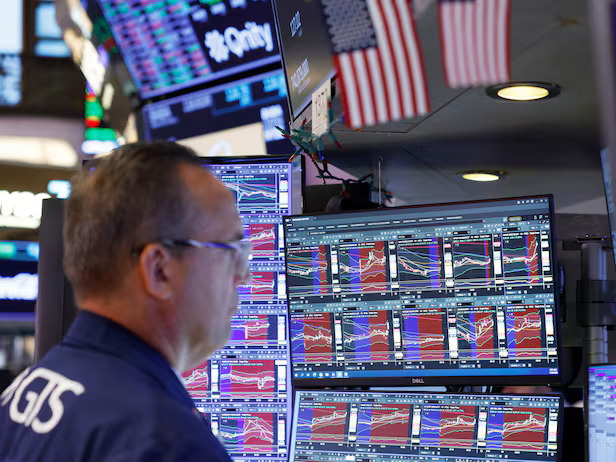
Asian stock markets tumbled on Monday as two forces collided: fresh US-Iran military clashes pushed oil prices near $90 a barrel, while hawkish Federal Reserve signals from Jackson Hole kept rate-hike bets alive. BigGo Finance reported the MSCI Asia Pacific Index dropped 0.8%, with technology and semiconductor shares hit hardest. The oil rally and higher bond yields created a classic risk-off day, punishing growth stocks while benefiting energy and financial sectors.
India's Sensex fell 226.60 points to 77,028.56, while the Nifty dropped 120.40 points to 24,053.55 in early trade thereport.live. Tech giants Infosys and Tata Consultancy Services slid alongside steel and airline shares, though HDFC Bank gained over 2%. South Korea's Kospi faced sharper pressure — down roughly 2.1% — as Samsung Electronics and SK Hynix, both AI and chip leaders, tumbled on growth concerns.
Oil Surges 3% After Fresh US Strike on Iran
Brent crude jumped near $90 a barrel, climbing about 3% after the United States struck Iranian rocket launchers winnipegfreepress.com. The attack ended weeks of relative calm in the Middle East and reignited energy market fears. Oil at $90 represents a sharp move upward — high enough to squeeze corporate profit margins and drive inflation concerns back into focus.
Higher crude prices create ripple effects beyond just filling tanks. Freight and insurance costs climb when geopolitical risk spikes, squeezing margins for airlines, shipping, and manufacturers. This transmission path — through costs rather than stock multiples — explains why energy stocks held up while growth names crumbled.
Tech and Chips Crushed by Rate and Oil Headwinds
Samsung Electronics and SK Hynix led declines in Seoul, caught between two hammer blows: higher borrowing costs and weaker global demand. newsday.com reported that US futures declined alongside Asian shares, signaling contagion spreading from Tokyo to New York. Semiconductor firms depend on low rates and strong tech spending — both now in doubt.
India's software exporters faced similar pressure. Infosys and TCS are mega-cap winners in a rising-rate world, but they also rely on US tech budgets and cheaper financing. When crude spikes and the Fed keeps hiking, growth names get squeezed from both ends.
Jackson Hole Hawkish Signals Keep Rates Elevated
Federal Reserve official Warsh's remarks at Jackson Hole reignited bets that rate cuts may not arrive soon. The two-year Treasury yield hovered around 4.33%, signaling markets now price in higher-for-longer rates wral.com. When borrowing costs stay high, investors dump expensive growth stocks and rush toward dividend-paying banks and energy firms.
This dynamic flipped the market pecking order. HDFC Bank, Kotak Mahindra, and Bharti Airtel — old-school dividend payers — gained ground. Tech and AI-adjacent names, starved of cheap capital, tumbled. Month-end rebalancing amplified the swings as traders trimmed positions ahead of the calendar flip.
Financials Find Shelter While Growth Faces Headwinds
Banks emerged as unlikely winners in the risk-off session. Higher rates mean fatter net interest margins — the spread between what banks pay depositors and charge borrowers. HDFC Bank's 2% gain and strength in Kotak Mahindra reflected this simple math: rates up, bank profits up.
The broader pattern shows markets rotated hard toward value. Energy stocks benefited from the $90 oil price. Financials bagged higher yields. Losers were clear: semiconductor and AI stocks, dependent on growth narratives and cheap money. Traders watched Middle East tensions and Fed communications closely, knowing both could reignite volatility before month's end.
Sentiment
Mostly NegativeNEGATIVENEUTRALPOSITIVE
Publishers
13
Articles
86
Reach
99
A
AnonymousAuthor


