Australia Proposes Tech Regulations
Australia Proposes New Child-Safety Laws and AI Regulations Following Big Tech Talks
Anonymous
Key Points
1
Despite the under-16 social-media ban, data released in the previous month showed that use of social-networking applications by Australians under 16 was still increasing.
2
Albanese said Australia “can’t do it alone” in protecting children from online dangers and that technology should “work for Australians”, rather than Australians working for technology.
3
Australia’s under-16 social-media restriction was described as a world-first crackdown intended to protect children from online bullying and “predatory algorithms.”
4
Albanese said the meeting with Cook covered both measures already being taken to protect children from online harm and the work that remains ahead, while Cook said Apple had presented new controls that were “strong and intuitive.”
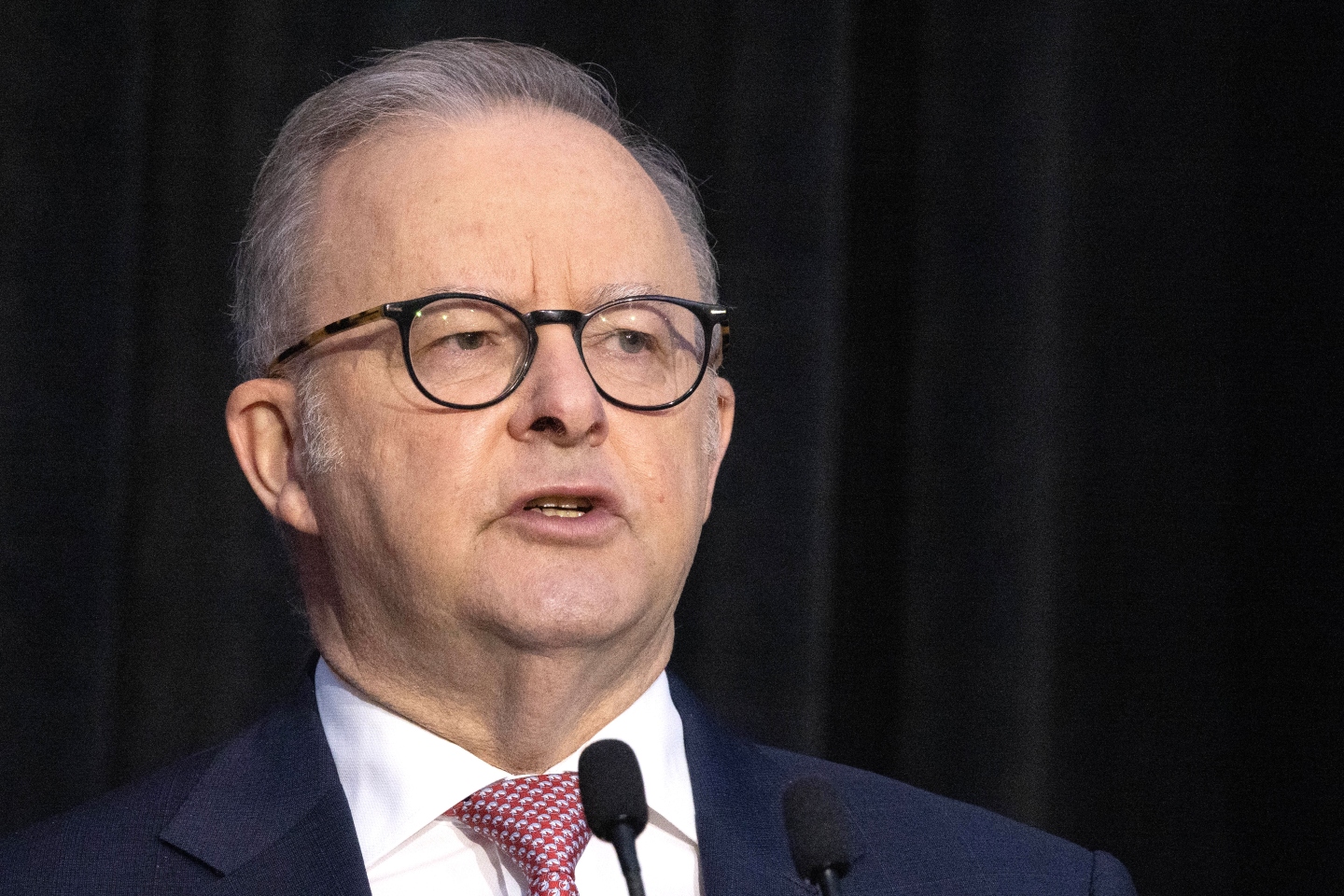
Australia is tightening rules on social media and artificial intelligence, with Prime Minister Anthony Albanese pushing tech companies to protect children online. MacDailyNews reported that after meeting Apple CEO Tim Cook in California, Albanese said Australia "can't do it alone" in tackling online harms and that technology should "work for Australians" instead of the other way around. The government plans to introduce new AI safety standards by the end of the year while enforcing stricter child-safety laws.
New "Digital Duty of Care" Law Takes Shape
Australia's government released draft legislation in September 2026 that would impose a legal duty of care on platforms like Facebook, TikTok, and Instagram. BusinessNews noted the bill would allow users to disable content-recommendation algorithms and fine platforms up to A$100 million for violations. The law targets five specific harms: pornography, eating disorders, misogyny, crime glorification, and severe cyberbullying.
The proposal comes after Australia's world-first under-16 social-media ban took effect in December 2025. However, enforcement gaps persist. News24 reported that government data from August 2026 showed social-media use among Australian minors under 16 actually continued rising despite the ban, revealing the limits of age-restriction approaches alone.
Opposition Warns of Censorship and Government Power
Australia's opposition leaders have raised alarm about the proposal. Opposition Leader Angus Taylor warned the bill could become "an attempt by the government to censor social media," citing concerns about excessive discretionary authority given to the Communications Minister. TheAustralian reported that the Coalition and One Nation fear the framework could suppress political speech and expand state control over online content.
Civil-society experts acknowledge the tension. Greens Senator David Shoebridge stressed that while systemic design changes are needed, ministerial discretion must be closely monitored to prevent mission creep into censorship. The debate reflects a global pattern: balancing child safety with free-speech protections.
Tech Giants Show Willingness to Cooperate
Apple's Tim Cook signaled support for Australia's child-safety push. MacDailyNews reported Cook shared new parental controls that are "strong and intuitive," demonstrating that major tech firms will step up when governments set clear expectations. Cook's public backing suggests big tech may accept stricter rules rather than resist them outright.
Albanese highlighted Cook's moves as proof that companies respond to regulatory pressure. The Prime Minister noted that "seeing these new safety features in action proves that when we draw a line in the sand, tech companies will step up." This cooperation sets a precedent for Australia's broader AI and child-safety agenda moving forward.
Australia Prepares National AI Safety Standards
Beyond child safety, Albanese warned about artificial intelligence developing beyond human control. Nine reported that Australia is joining a global push for tighter AI regulation, with Albanese signing on to a call for urgent action alongside over 20 world leaders. The government plans to announce national AI safety standards by late 2026 to manage unchecked AI development risks.
Australia's moves mirror principles in the EU's Digital Services Act. If the Digital Duty of Care bill passes Parliament after industry and civil-society consultations, it could accelerate similar rules in the European Union, France, Brazil, and Indonesia—making Australia a global regulatory trendsetter for tech oversight and child protection.
Sentiment
Mostly NegativeNEGATIVENEUTRALPOSITIVE
Publishers
41
Articles
172
Reach
213
A
AnonymousAuthor


