SEC Blockchain Rule Overhaul
SEC Proposes Major Transfer-Agent Rule Overhaul to Support Blockchain and Tokenized Securities
Anonymous
Key Points
1
The SEC proposal explicitly recognizes electronic communications as becoming a core part of transfer-agent relationships with investors, issuers, and market intermediaries, signaling a shift away from traditional paper-centric workflows.
2
The rules would require transfer agents to disclose the number of tokenized securities they hold on record and identify which blockchain networks are used to store ownership data.
3
The proposals acknowledge on-chain transfer agents may store shareholder information on distributed ledgers and run processes through smart contracts, highlighting potential on-chain ownership recordkeeping.
4
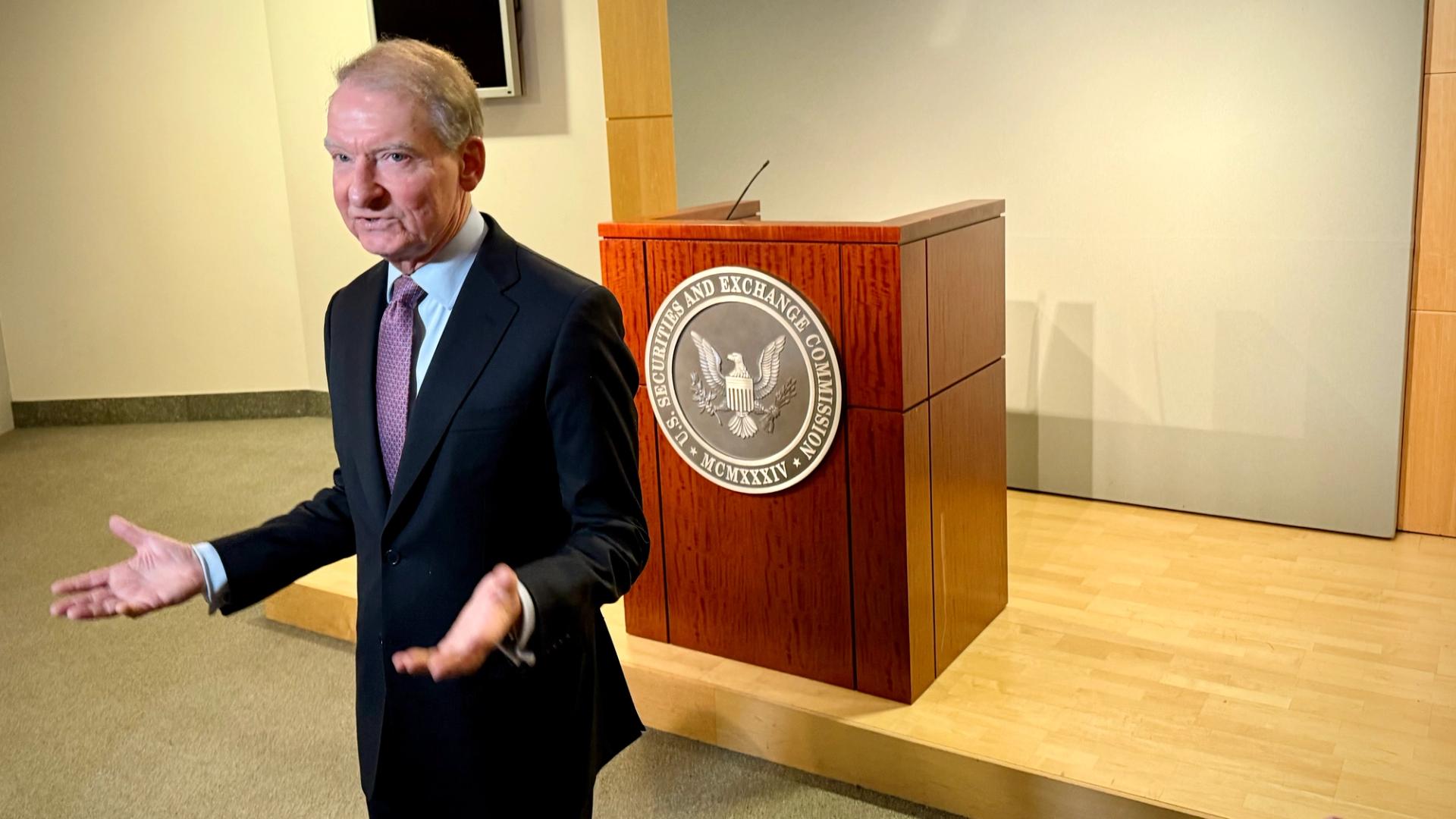
SEC Chair Paul Atkins framed the move as a modernization effort designed to align regulations with current transfer-agent practices, including blockchain usage in securities processes.
5
Industry examples cited in coverage indicate tokenized securities are already being traded across multiple networks, with BlackRock’s tokenized fund cited as operating on networks like Ethereum and Solana.
The SEC is overhauling transfer-agent rules for the first time in over 40 years to embrace blockchain technology and tokenized securities. CoinDesk reports the proposal would update core requirements under Rules 17ad-7 and 17ad-12 to cover electronic records, cybersecurity, and distributed-ledger ownership tracking. The changes signal a major shift from paper-based processes to digital infrastructure across U.S. securities markets.
The SEC's plan explicitly allows transfer agents to store shareholder information on blockchain networks and process transactions through smart contracts. Crypto.News notes the rules would require agents to disclose how many tokenized securities they hold and which blockchain networks store ownership data. The proposal includes a 60-day public comment period after Federal Register publication.
Four Decades of Paper Rules Meet Blockchain Reality
Transfer-agent rules haven't been significantly updated since the 1980s, when securities trading relied on physical documents and phone calls. KuCoin explains that transfer agents maintain ownership records and process securities transfers — core functions now moving onto blockchains. The SEC's proposal acknowledges that electronic communications and distributed ledgers are already part of how modern transfer agents operate.
SEC Chair Paul Atkins framed the overhaul as aligning regulations with current market practices. NewsCord reports the proposal addresses how transfer agents already use blockchain for recordkeeping. This modernization abandons assumptions built for paper workflows in favor of rules designed for 24/7 digital trading and on-chain settlement.
New Safeguards for Digital Ownership and Smart Contracts
The proposed rules introduce audit trails, written policies for protecting securities and client funds, and oversight of third-party service providers. CryptoNews notes the SEC will require transfer agents to implement enhanced cybersecurity and disaster-recovery procedures. These safeguards apply whether ownership records sit in traditional databases or on blockchain networks like Ethereum and Solana.
On-chain transfer agents may now run share-transfer processes through smart contracts while maintaining audit logs of every transaction. KuCoin highlights that the rules preserve safeguards within the national clearance and settlement system. New reporting obligations will force transparency about which blockchains store sensitive shareholder data.
Tokenized Securities Already Trading Across Multiple Networks
The SEC's rules arrive as tokenized securities are already being issued and traded. BlackRock's tokenized fund operates on networks like Ethereum and Solana, showing that blockchain infrastructure for securities is no longer theoretical. Crypto.News reports the proposal explicitly recognizes this reality and creates a compliance path for these emerging platforms.
The rules include an innovation exemption for tokenized securities, allowing experimentation within guardrails. CoinDesk notes the SEC is also planning a roundtable on 24-hour U.S. trading, signaling broader plans to modernize market hours alongside settlement infrastructure. These changes position the U.S. securities market to compete in a blockchain-enabled future.
Sentiment
Mostly NegativeNEGATIVENEUTRALPOSITIVE
Publishers
19
Articles
16
Reach
35
A
AnonymousAuthor


