Supreme Court Loyalty Frustration
Trump expresses frustration over Supreme Court appointees and lack of expected loyalty.
Anonymous
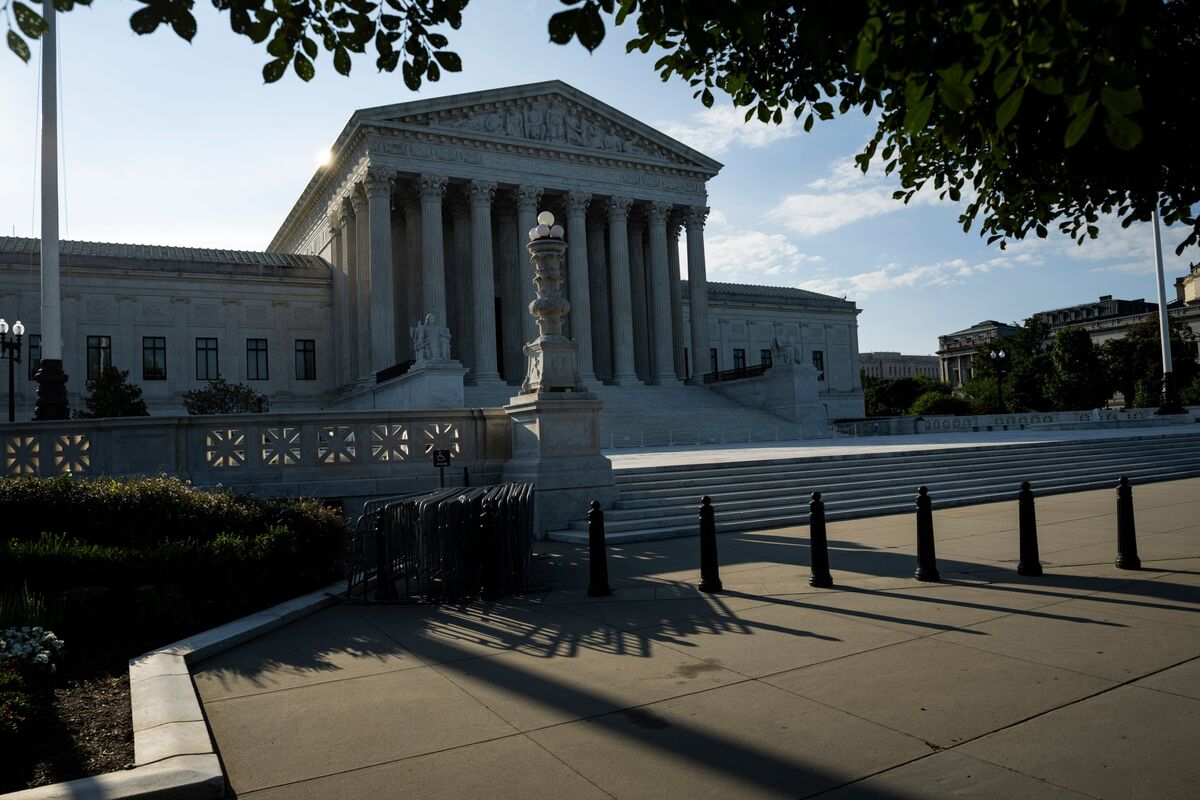
President Trump expressed deep frustration with his three Supreme Court appointees in a Time Magazine interview, saying he regrets nominating Justices Neil Gorsuch, Brett Kavanaugh, and Amy Coney Barrett. Trump complained that the justices voted against his policies too often, contrasting them unfavorably with judges appointed by Obama and Biden, whom he said remained loyal to their appointing presidents.
Trump stated he gave these justices "the chance of a lifetime" through their appointments, but they repeatedly sided against him on major cases involving tariffs, mail ballots, and other key issues. The New York Post reported that Trump called their rulings a disappointment, marking a stark break from his typical relationship with judicial appointees.
Trump's Complaints About His Judicial Legacy
During his first term, Trump appointed three conservative justices expecting them to support his agenda consistently. USA Today reported that Trump expressed disappointment in all three, saying their votes repeatedly went against his preferences. The president suggested he would make different choices if given another chance to fill those seats.
Trump contrasted his appointees with judges named by Democratic presidents, claiming Obama and Biden's picks remained "loyal" to their appointing presidents' preferred outcomes. This comment highlighted Trump's view that Supreme Court justices should prioritize the interests of whoever nominated them over judicial independence.
The Cases That Turned Trump Against His Picks
Miami Herald reporting indicated Trump's frustrations centered on specific rulings. The three justices joined decisions on tariffs, mail-in ballot procedures, and other matters where they broke with Trump's preferred outcome. These votes demonstrated the justices' commitment to legal principle over political alignment with their nominator.
Trump's public complaints about his own judicial appointees are unusual for a former president. Most presidents maintain distance from Supreme Court decisions, respecting the court's independence. Townhall reported Trump's willingness to openly criticize the justices signaled his expectation of greater political loyalty from his nominees.
A Shift in Trump's Relationship With the Judiciary
Trump's remarks reveal tension between his view of the judiciary as a political tool and the justices' commitment to legal independence. US News coverage showed Trump expected his appointees to function as reliable votes for his agenda. Instead, Gorsuch, Kavanaugh, and Barrett have ruled based on their legal interpretations, not Trump's preferences.
This public rift may influence how Trump approaches future judicial appointments. His comments suggest he may seek nominees who more explicitly commit to supporting his policies. The contrast with his characterization of Democratic-appointed judges highlights Trump's frustration with what he sees as institutional disloyalty.
Sentiment
NeutralNEGATIVENEUTRALPOSITIVE
Publishers
13
Articles
10
Reach
14
A
AnonymousAuthor


