Blockchain Banking Approval
OpenReserve secures preliminary conditional approval from the OCC for a blockchain-integrated national bank charter.
Anonymous
Trending on XSharp yen appreciation to 155 range on expectations of faster Bank of Japan rate hikes
Key Points
1
OpenReserve CEO Dee Choubey said the “preliminary conditional approval to charter a de novo national bank” was “a privilege our team does not take lightly,” adding it marks “the beginning of the most demanding phase of the work.”
2
OpenReserve said it chose a national bank charter path “deliberately,” framing OCC supervision, safety and soundness, compliance, and customer confidence as “the foundation” for its embedded onchain settlement approach.
3
The company tied its stablecoin strategy to a specific regulatory framework, saying its plans comply with the inbound regulations of the Guiding and Establishing National Innovation for U.S. Stablecoins (GENIUS) Act.
4
OpenReserve described the build as “a continuous bank” that would be “always on, always open, always available,” with a goal of “instant settlement and support for atomic transactions,” according to Andreessen Horowitz (a16z) partner Guy Wuollet.
5
OpenReserve told Bloomberg that the OCC approval would give it the ability to issue its own stablecoin—intended to facilitate transactions even when the Federal Reserve’s window is shut—and it also plans to tokenize deposits for “instant money movement and settlement on the blockchain.”
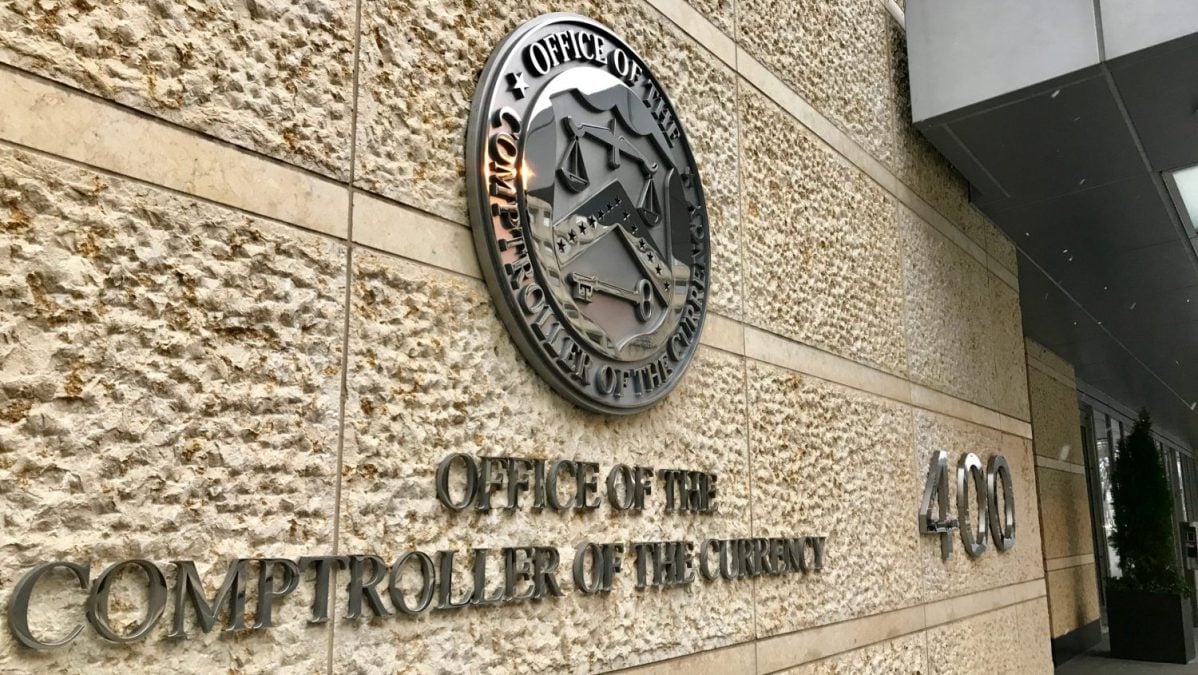
The Office of the Comptroller of the Currency has granted OpenReserveBank preliminary conditional approval to become a U.S. national bank, marking a major regulatory win for a startup building a blockchain-integrated bank. The Crypto Basic reported that OpenReserve, which raised $25 million in a seed round led by Andreessen Horowitz, plans to offer 24/7 settlement and stablecoin services instead of traditional banking hours.
The Salt Lake City-based company must still complete final charter approval and secure FDIC deposit insurance. Crypto.news noted that CEO Dee Choubey called the preliminary approval "the beginning of the most demanding phase of the work," emphasizing the bank's commitment to regulated operations.
Stablecoins and Instant Settlement Drive OpenReserve's Strategy
OpenReserve plans to issue its own stablecoin, ReserveUSD, designed to process transactions when the Federal Reserve's window closes. The company also wants to tokenize customer deposits for real-time movement on blockchain. The Block reported that a16z partner Guy Wuollet described the vision as "a continuous bank" that is "always on, always open, always available" with "instant settlement and support for atomic transactions."
The startup deliberately chose a national bank charter to anchor its onchain settlement approach in regulatory safety and soundness. OpenReserve said its stablecoin plans align with the proposed Guiding and Establishing National Innovation for U.S. Stablecoins (GENIUS) Act framework.
Regulatory Momentum for Crypto-Focused Banking
The OCC approval signals growing regulatory engagement with crypto and blockchain innovation in banking. Coindoo confirmed that OpenReserve's preliminary conditional approval covers a full-service insured national bank structure, positioning the company to serve institutional and digital-asset clients with onchain treasury and capital-market services.
Institutional clients increasingly demand faster settlement and real-time money movement. OpenReserve's dual approach—issuing stablecoins and tokenizing deposits—aims to meet that demand while staying within a regulated national bank framework.
Path Forward: Charter Completion and FDIC Insurance
OpenReserve faces a multi-stage approval process. The preliminary conditional approval represents one gate; the bank still must satisfy all final requirements before the OCC grants full charter status. FDIC deposit insurance application remains another critical hurdle.
The $25 million seed round—backed by Andreessen Horowitz and Coinbase Ventures—provides capital to build infrastructure and meet regulatory demands. Completion of these remaining steps could position OpenReserve as a template for future crypto-integrated banks operating under federal oversight.
Sentiment
Mostly PositiveNEGATIVENEUTRALPOSITIVE
Publishers
15
Articles
17
Reach
32
A
AnonymousAuthor