Iranian Airlines Suspend Regional Flights Amid US Sanctions
Iranian Airlines Suspend Regional Flights Amid US Sanctions
Anonymous
Key Points
1
Iranian tourist arrivals in Georgia had already fallen sharply before the flight suspensions, with about 29,300 visitors recorded in the first half of 2026—down 49% from a year earlier.
2
The September 8 U.S. action covered 36 targets in total, including 27 Iranian airlines, which Washington accused of helping Iran obtain aircraft, aviation technology and other equipment.
3
The Treasury also suspended licenses that had allowed certain payments, goods and services connected with U.S.-made aircraft operated by Iranian airlines, potentially making maintenance and emergency aviation support more difficult.
4
Mahan Air was already under U.S. sanctions, having been designated in 2011, meaning the latest measures added pressure to an airline that had already faced longstanding restrictions.
5
Turkey’s move was described as applying specifically to Mahan Air rather than suspending all Iranian airlines’ operations in the country, limiting the scope of the reported Turkish restriction.
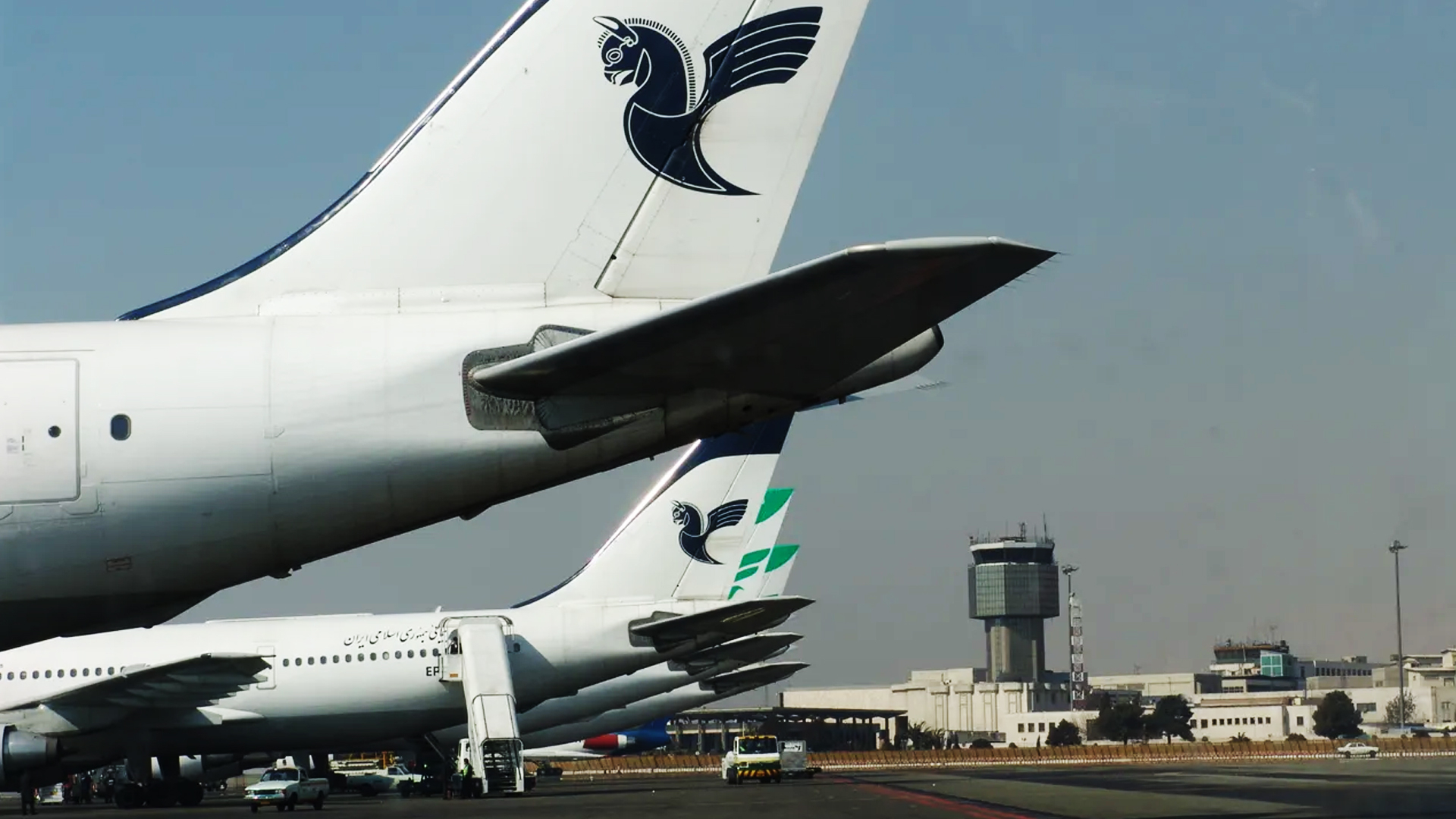
Iranian airlines are suspending flights to Georgia, Oman, and Turkey after the U.S. Treasury Department sanctioned 27 Iranian carriers on September 8. Washington Times reported that Treasury Secretary Scott Bessent warned Iranian airlines face a Kurdistan24 described as a potential global shutdown starting September 23, when existing wind-down authorizations expire. Mahan Air has already halted Tehran-Muscat flights and plans to stop serving Istanbul, Ankara, and Georgia by late September.
The sanctions target 36 entities total, including the 27 airlines, and suspend licenses for payments, parts, and services tied to U.S.-made aircraft. Foreign airports and ground handlers in Oman, Turkey, and Georgia have reportedly complied with the restrictions to avoid American penalties. The moves come as Iranian tourism to Georgia has already plunged 49% year-over-year, with only 29,300 visitors arriving in the first half of 2026.
Sanctions Trigger Route Cancellations Across Three Countries
Mahan Air ended Tehran-Muscat service on September 17 and will stop flying to Istanbul and Ankara after September 20, followed by Georgia flights ending September 21. The airline blamed aviation authorities in those countries for choosing to comply with U.S. sanctions rather than risk exposure to American penalties. English.aaj.tv reported that Treasury Secretary Bessent warned of severe global restrictions on Iranian carriers within days.
Turkey's restrictions appear narrower than initially reported, applying specifically to Mahan Air rather than all Iranian airlines. The suspension of U.S. license authorizations makes maintenance and emergency support harder for Iranian carriers relying on American-made aircraft parts and services.
Treasury's September 8 Action Expands Pressure on Iran's Air Sector
The U.S. designated 27 Iranian airlines alongside nine other entities, accusing them of helping Iran obtain aircraft, aviation technology, and equipment. The action suspended licenses permitting payments, goods, and services for U.S.-made aircraft operated by Iranian carriers. Cryptobriefing noted the Treasury's wind-down authorization expires September 23, after which any transactions with sanctioned airlines become illegal without special permission from OFAC.
Mahan Air, designated as a sanction target in 2011, now faces additional restrictions layered onto existing penalties. The latest measures intensify pressure on an airline already barred from many international transactions and services.
Iranian Tourism to Georgia Collapsing Before Flight Cuts
Georgian tourism from Iran dropped sharply even before the flight suspensions took effect. The country recorded only 29,300 Iranian visitors in the first half of 2026, down 49% from the same period in 2025. These numbers reflect broader economic pressures and travel restrictions affecting Iranian nationals.
What a Global Airline Shutdown Could Mean
Washington Times and Kurdish24 reported warnings that Iranian airlines could face effective global grounding on September 23. This would occur when wind-down licenses allowing limited transactions expire. The scale of a full shutdown remains unclear, as some reports specifically document individual route suspensions rather than comprehensive global restrictions.
A complete shutdown would isolate Iran's aviation sector from international operations, blocking refueling, maintenance, and passenger services worldwide. Foreign airlines and airports would face penalties for helping Iranian carriers operate, effectively grounding the country's commercial air fleet.
Sentiment
Mostly NegativeNEGATIVENEUTRALPOSITIVE
Publishers
24
Articles
12
Reach
36
A
AnonymousAuthor


