Kohat Mosque Bombing
Suicide Bombing at Kohat Mosque During Friday Prayers Kills 16
Anonymous
Key Points
1
The mosque was located about 60 kilometres southwest of Peshawar, the capital of Khyber Pakhtunkhwa.
2
Kohat District Headquarters Hospital’s medical superintendent, Tahir Ali Shah, said 15 bodies had been brought to the hospital along with more than 50 injured people as the response continued.
3
Rescue 1122 reported that more than 20 injured people had been transported to nearby hospitals and that several had sustained critical injuries.
4
Police said most of the wounded were worshippers, indicating that civilians at Friday prayers made up the majority of those injured.
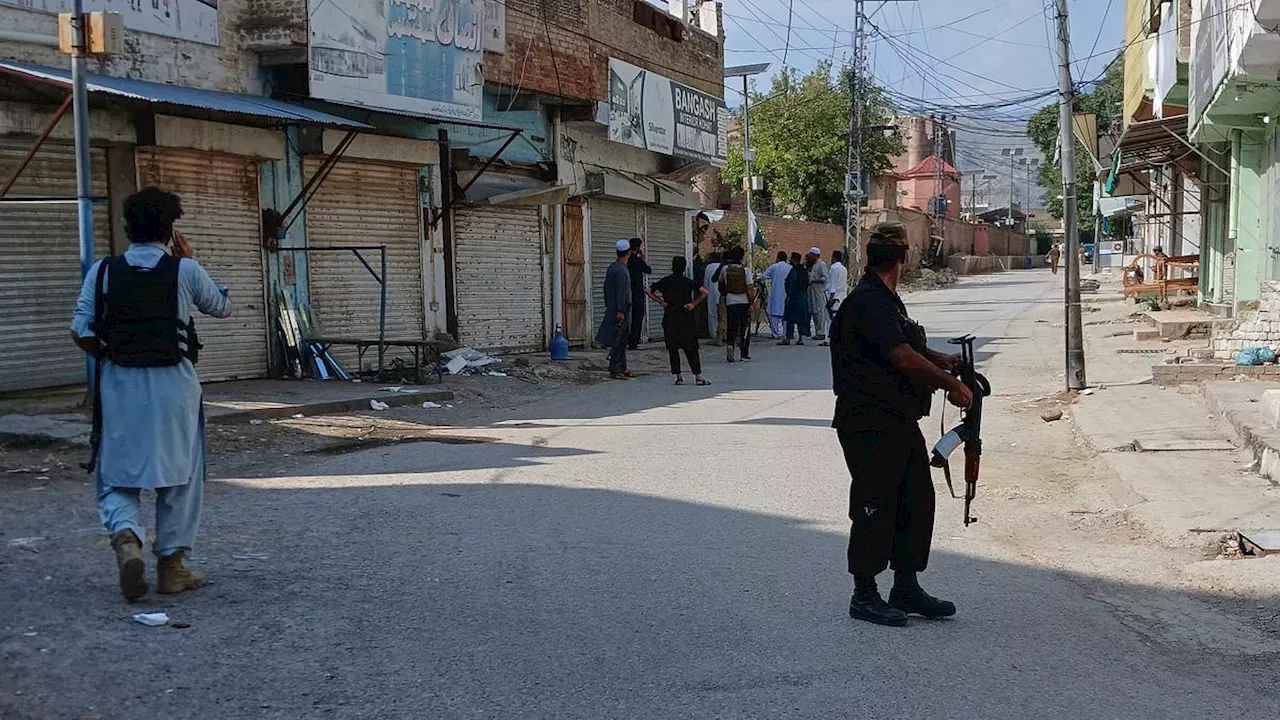
A suicide bombing at a mosque near a police compound in Kohat, Pakistan killed at least 16 people during Friday prayers on September 18. The victims included five police officers and 11 civilians. More than 50 others were injured, some critically, according to Telegraph India. The blast damaged the mosque's outer section, collapsed a wall, and created a crater outside the building.
A coalition of militant groups called Ittehad-ul-Mujahideen Pakistan claimed responsibility for the attack. Times of Israel reported the bombing involved an explosives-laden vehicle that rammed the outer perimeter gate followed by gunfire and a second suicide vest detonation. Prime Minister Shehbaz Sharif ordered immediate medical relief and a security investigation.
Vehicle Bomb Triggers Multiple Explosions at Police Gates
The attack unfolded in two stages at the Old Police Lines complex, located 60 kilometers southwest of Peshawar. An explosives-laden vehicle first rammed the outer perimeter gate during Friday congregational prayers. Armed assailants then opened fire on police personnel while a second suicide vest detonated near the Special Branch building during the ensuing firefight. The dual-phase assault shows evolving insurgent tactics combining vehicle bombs with tactical infantry strikes.
Emergency Responders Evacuate Dozens From Collapsed Rubble
Rescue 1122 deployed 14 ambulances and more than 35 emergency personnel to the scene. Responders transported more than 50 wounded individuals from under collapsed mosque rubble to nearby hospitals, with several in critical condition. The medical superintendent at Kohat District Headquarters Hospital, Dr. Tahir Ali Shah, confirmed receiving 15 bodies and treating dozens of severely injured worshippers, Telegraph India reported.
Kohat Joins Pattern of Attacks on Pakistan's Police Infrastructure
Northwest Pakistan has seen a sharp surge in militant violence targeting security forces since 2023. This bombing echoes the 2023 Peshawar Police Lines mosque attack, which killed 101 people, and the February 2026 Shiite mosque bombing in Islamabad that claimed 31 lives. Pakistani officials consistently accuse Afghanistan of sheltering Pakistani militants, though the Afghan Taliban denies hosting cross-border insurgents.
Provincial Police Chief Zulfiqar Hameed stated that "Khyber Pakhtunkhwa Police stands as an iron wall against terrorism, and such cowardly attacks cannot weaken our resolve." President Asif Ali Zardari declared that "complete elimination of foreign-sponsored terrorists" is vital to national security. Military and police raids across Khyber Pakhtunkhwa border districts are expected to intensify in response.
Ittehad-ul-Mujahideen Claims Strike as Retaliation
The militant coalition Ittehad-ul-Mujahideen Pakistan, comprising the Hafiz Gul Bahadur Group, Harakat Inqilab-e-Islami, and Lashkar-e-Islam, claimed responsibility for the attack. Initial wire reports also noted suspicion pointing toward the TTP (Tehrik-e-Taliban Pakistan). The group frames the bombing as retaliation for government military operations and raids in tribal regions, creating a cycle of escalating tit-for-tat attacks across the volatile northwest.
Sentiment
Mostly NegativeNEGATIVENEUTRALPOSITIVE
Publishers
67
Articles
143
Reach
210
A
AnonymousAuthor


