September Jobs Report
US economy adds just 29,000 jobs in September as labor market cools.
Anonymous
Key Points
1
The hiring rate—new hires as a share of total employment—has remained near its lowest level since the Great Recession, suggesting workers may have difficulty moving into new jobs even when overall employment grows.
2
Layoffs have remained relatively low even as hiring and quits slowed, helping employment increase without creating many openings for job seekers.
3
The report could give the Federal Reserve room to hold interest rates despite elevated inflation.
4
The hiring statistics include companies replacing departing employees, even when those replacements do not increase a company’s overall workforce.
The U.S. job market hit a soft patch in September, adding just 29,000 jobs—less than one-third of what economists expected Bureau of Labor Statistics. The unemployment rate ticked up to 4.2% from 4.1%, signaling a slowdown in hiring that could give the Federal Reserve room to cut interest rates despite stubborn inflation.
August's job gains were also trimmed down to 133,000 from earlier estimates, painting an even softer picture of labor market strength Just The News. The weak report suggests workers face tougher job hunting ahead, even as layoffs remain low.
Hiring Lags Far Behind Economist Forecasts
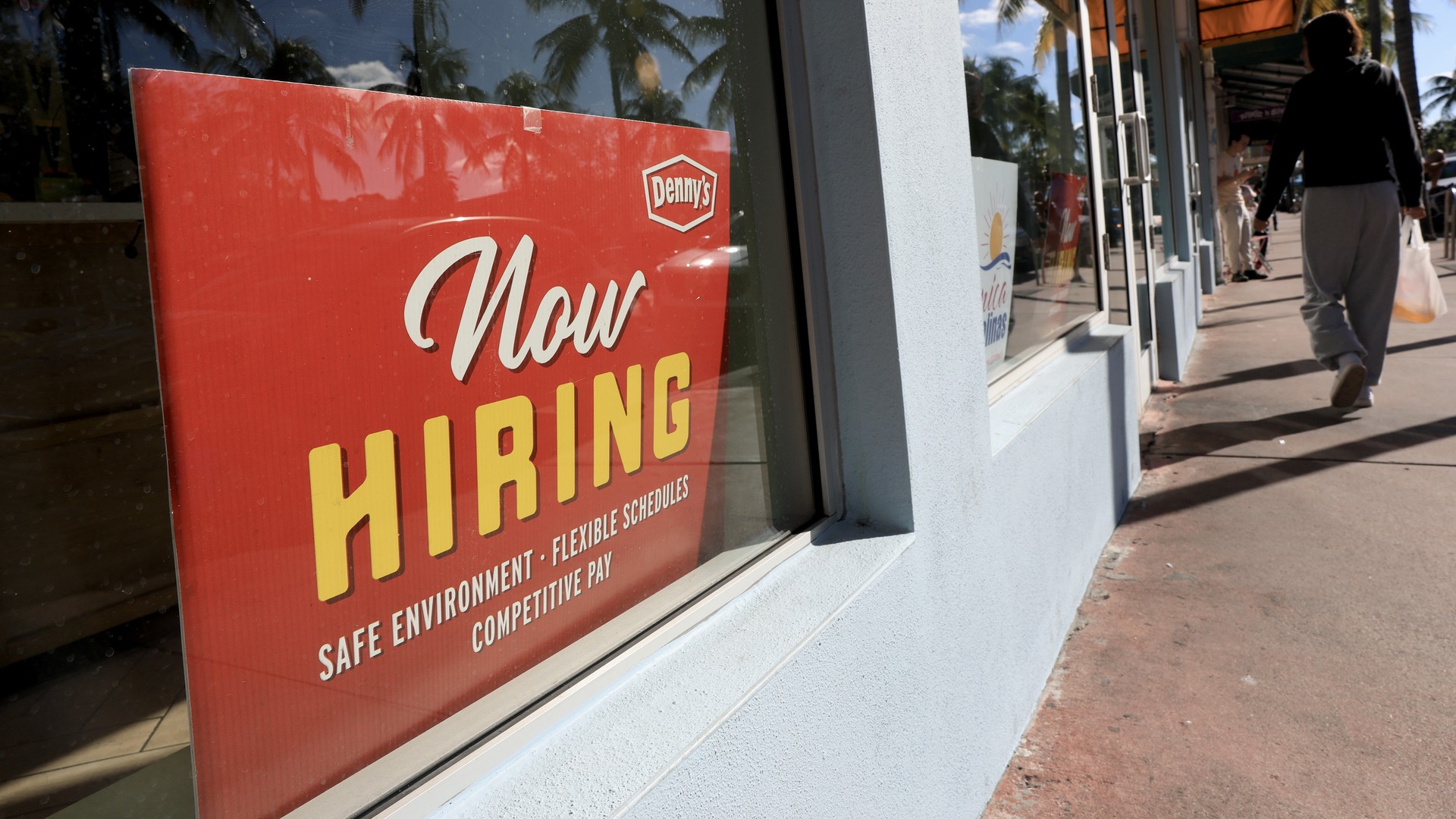
Economists had predicted roughly 84,000 to 90,000 new jobs for September News Nation Now. The actual number—29,000—fell dramatically short. This gap reveals a labor market losing momentum. Companies are hiring much slower than expected, and workers who quit their jobs are finding fewer replacements waiting.
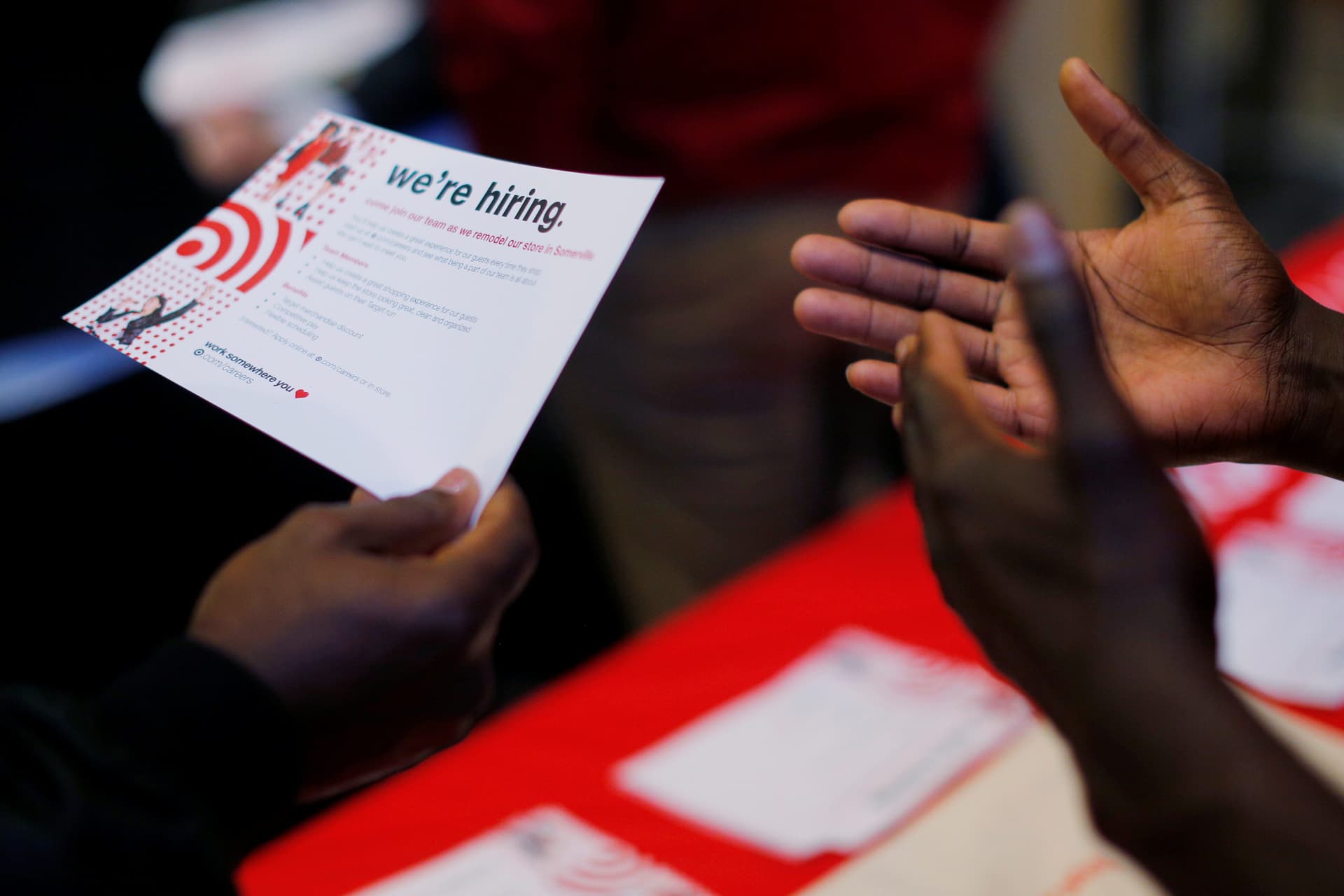
The hiring rate—the share of workers who land new jobs each month—sits near its lowest point since the Great Recession Bureau of Labor Statistics. This means even if total employment grows, individual job seekers struggle to find openings. Workers can stay employed, but moving to new positions has become harder.
Layoffs Stay Low While Quits Slow Down
Companies are not firing workers aggressively, which keeps unemployment from spiking. Layoffs remain relatively low Bureau of Labor Statistics. However, fewer people are quitting their jobs voluntarily. This combination creates a strange labor market: total jobs grow modestly, but job seekers face limited openings because companies are mostly replacing departing workers rather than expanding headcount.
Labor Force Participation Ticks Up Slightly
The labor force participation rate rose to 61.8% in September, up from 61.6% the prior month Kansas.com. This modest increase suggests a few more people are joining the job hunt. However, with hiring so weak, these new entrants may struggle to find work quickly. The slight bump offers limited relief to a cooling job market.
Fed May Have Room to Lower Interest Rates
Markets had already dialed back expectations for an October Federal Reserve rate hike before September's jobs data arrived Just The News. This weak report strengthens the case for rate cuts. With hiring stalling and unemployment edging up, the Fed faces less pressure from wage growth and worker demand pushing inflation higher. The central bank now has clearer justification to ease monetary policy.
Sentiment
Mostly NegativeNEGATIVENEUTRALPOSITIVE
Publishers
22
Articles
29
Reach
51
A
AnonymousAuthor