Pride Amid Uncertainty
New York's Haitian Community Celebrates West Indian Day Parade Amid Mounting Legal Pressures
Anonymous
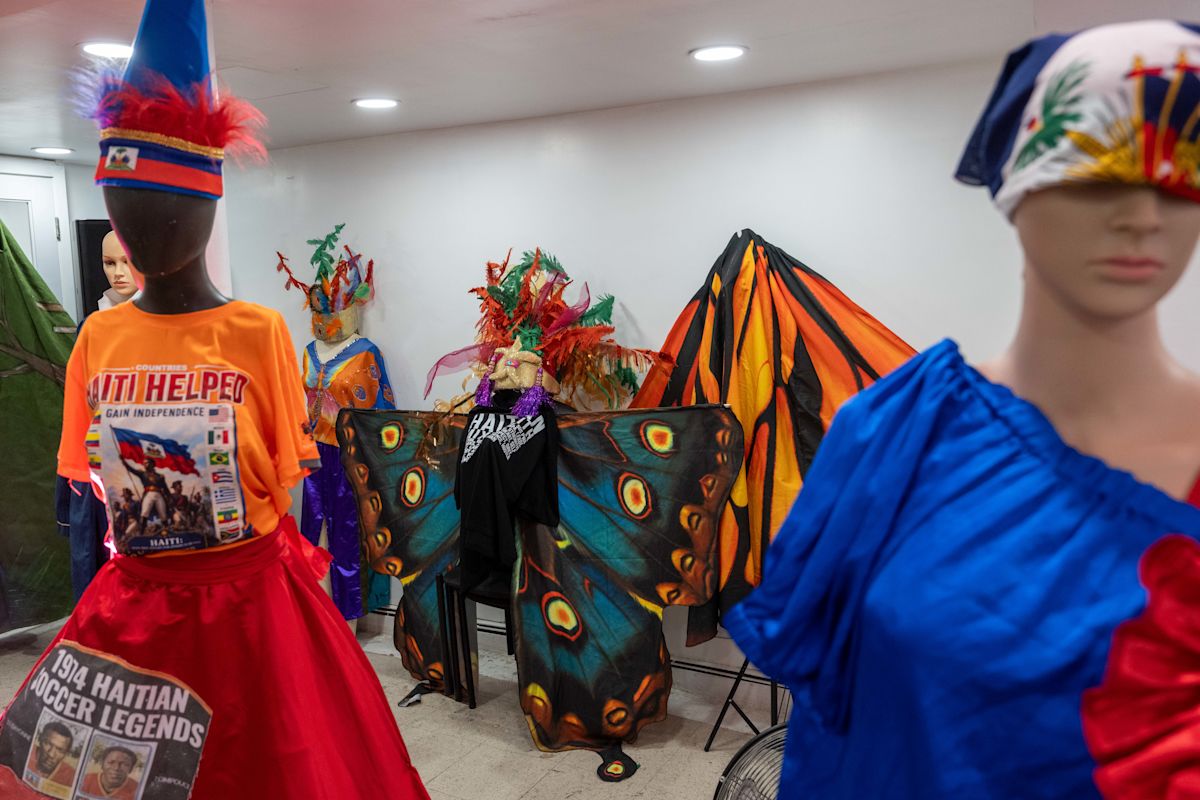
New York's West Indian Day Parade arrives Monday as a rare bright spot for the city's Haitian community, which faces its toughest year in recent memory. KTAR reports that the celebration has become a defiant show of pride amid intense federal immigration enforcement and the loss of a key legal shield. Roughly 350,000 Haitians stand to lose temporary protected status (TPS) after the Supreme Court ruled in June that federal courts cannot review the Trump administration's decision to end the program.
The Haitian community in the New York metro area numbers roughly 163,000 people, making it the second-largest in the U.S. after Miami. Natalie Lafontant, who leads Lespri Ayiti or "Spirit of Haiti" — the largest Haitian "mas" or marching group in the parade — will march for her second year. The Independent noted that hundreds of thousands of Haitians are expected to participate Monday on Brooklyn's Eastern Parkway.
Supreme Court Strips Protection From Haitians
In June, the Supreme Court delivered a blow to Haitian immigrants by ruling that federal courts have no power to review the Trump administration's decision to end TPS. KTAR reports the ruling clears the way for roughly 350,000 Haitians and Syrian immigrants to lose the temporary status that has shielded them from deportation. The loss arrives as federal immigration enforcement against Caribbean and other Black immigrant communities has intensified sharply.
Steel Drums Mark Solemn Parade on Eastern Parkway
Brooklyn's Eastern Parkway will fill with steel drums and flag-draped floats Monday during one of America's largest Caribbean cultural celebrations. The Herald-Bulletin notes that the parade is being held under far more solemn circumstances this year than in previous years. The music and color will offer Haitians a rare moment of joy and community connection during an anxious time.
Spirit of Haiti Marches Into Uncertain Future
Natalie Lafontant's Lespri Ayiti has grown into the parade's largest Haitian marching group in just two years. The group's name means "Spirit of Haiti" — a fitting title for Haitians determined to celebrate their culture and identity despite the legal threats they face. For many marchers, the parade represents a rare chance to gather, to remember where they come from, and to show that Haitian culture remains strong in New York.
Sentiment
NeutralNEGATIVENEUTRALPOSITIVE
Publishers
12
Articles
12
Reach
12
A
AnonymousAuthor


