Vance Says U.S. Policy Won’t Be Subservient to Israel
Vance Says U.S. Policy Won’t Be Subservient to Israel
Anonymous
Key Points
1
Vance’s remarks came as the Trump administration and Israel’s Feb. 28 attack on Iran escalated into an ongoing regional war, contributing to higher energy prices and disruptions to shipping through the Strait of Hormuz.
2
Vance has faced criticism from parts of Israel’s diplomatic community and pro-Israel Republican leaders, particularly after defending a ceasefire agreement with Iran in June, which reportedly strained relations with some Republican donors.
3
Vance warned that continued attacks on ships linked to Iran could produce a global energy crisis, underscoring how the administration’s disagreements with Israel are tied to concerns about maritime security and global oil shipments.
4
The remarks also carry potential political significance because Vance is viewed as a prominent possible contender for the 2028 Republican presidential nomination.
5
One account characterized Vance’s comments as part of a broader narrative in which he accuses Israeli officials of manipulating Americans and frames Israel as a challenge to independent U.S. decision-making.
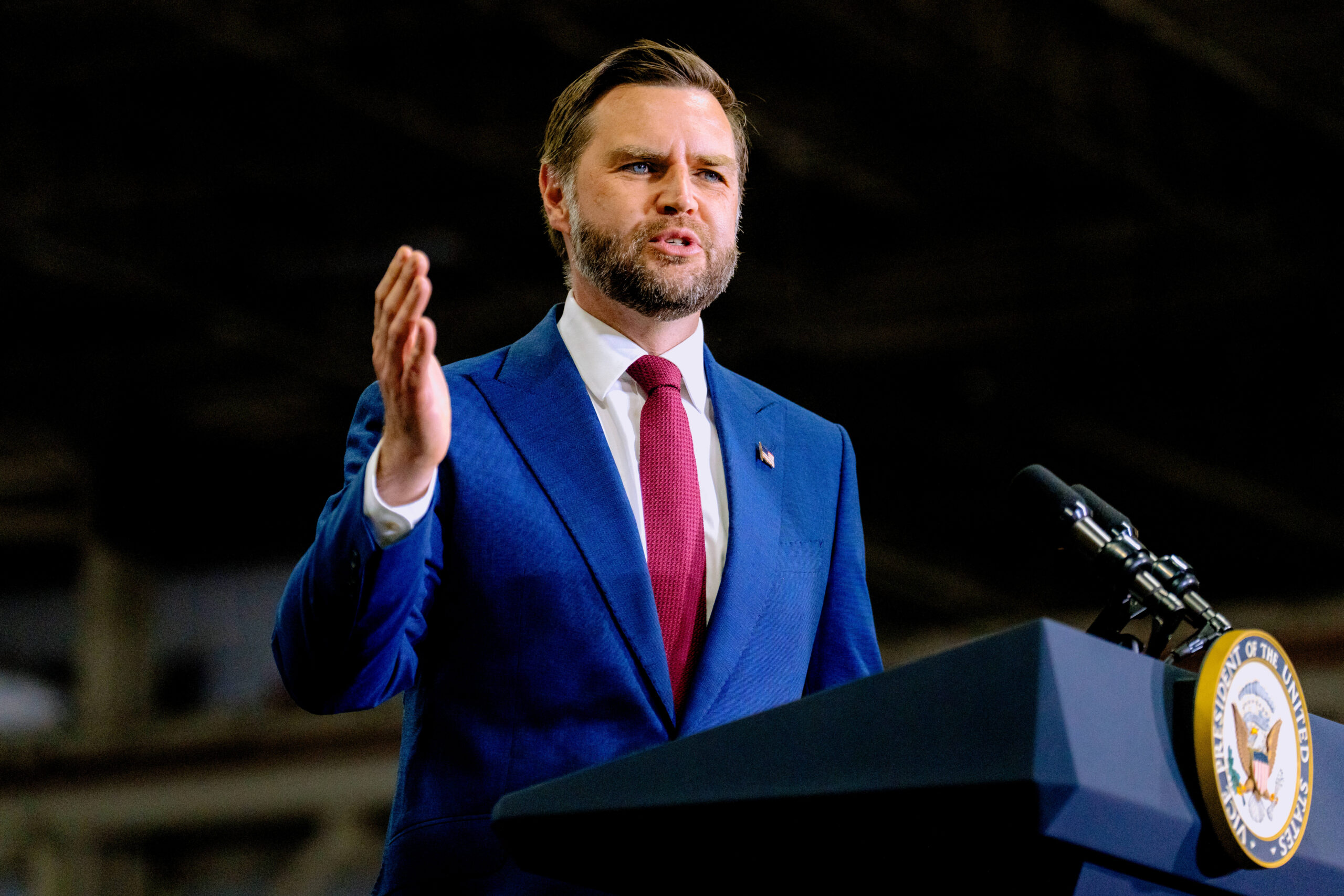
Vice President JD Vance said the United States will not let its Middle East policy be controlled by Israel, even as a close partner. Speaking at the All-In Summit, Vance stated that President Trump is willing to disagree with Prime Minister Benjamin Netanyahu when American interests conflict with Israeli ones. First Post The remarks come as the Trump administration grapples with regional tensions and their impact on global energy prices and shipping routes.
Vance compared the U.S.-Israel relationship to partnerships within NATO, arguing that close alliances should not override American foreign policy decisions. Daily Excelsior The vice president emphasized Israel's value as a military technology and intelligence partner while making clear the Trump administration won't simply follow Netanyahu's lead on every issue.
Trump Won't Follow Netanyahu on Every Issue
Vance laid out a framework where the U.S. views Israel as a valuable ally but not the director of American policy. Jerusalem Post The vice president said Trump has shown he's prepared to part ways with Netanyahu when the two countries' goals don't align. This represents a shift from some past Republican positions that treated U.S.-Israel policy as largely unified.
Regional War Raises Stakes Over U.S. Independence
The backdrop for Vance's comments is the ongoing regional conflict that began after the Feb. 28 U.S.-Israeli attack on Iran. Headtopics The escalating war has driven up energy prices and disrupted shipping through the Strait of Hormuz, threatening global oil supplies. Vance warned that continued attacks on ships linked to Iran could trigger a worldwide energy crisis, framing the issue as why the U.S. must maintain independent decision-making.
Inside Washington: Tensions Over Israel Policy
Vance has faced pushback from parts of Israel's diplomatic community and pro-Israel Republican leaders. First Post Critics pointed to his June defense of a ceasefire deal with Iran, which reportedly strained ties with some Republican donors. The vice president's willingness to publicly challenge the U.S.-Israel relationship alignment suggests growing debate within Trump's team over how much Washington should defer to Israeli priorities.
Vance's Stance Signals 2028 Presidential Ambitions
Political observers view Vance as a likely contender for the 2028 Republican presidential nomination. Odnayo His public statements on Israel independence align with a broader appeal to Republicans skeptical of overseas commitments. The vice president's framing of Israel as a challenge to independent U.S. decision-making—rather than an automatic ally—may shape how future Republican candidates discuss Middle East policy.
Sentiment
Mostly NegativeNEGATIVENEUTRALPOSITIVE
Publishers
18
Articles
40
Reach
58
Topics
A
AnonymousAuthor


