Decades-Old Mystery Solved
Boise's Unknown Wanderer Identified After 44 Years in 1982 Cyanide Case
Anonymous
Key Points
1
Investigators said Betkouski was identified through one of 30 keys found on his body after his death, which ultimately helped authorities trace his identity.
2
The typewritten note found with the body reportedly specified that the $1,900 Betkouski carried should pay for his funeral and cremation, with the remaining money donated to Sacred Heart Catholic Church; it was signed “Wm. L. Toomey.”
3
Detective Tim Cooper said Betkouski had shown a documented interest in chemistry and explosives from a young age and had put other people at risk; Cooper also said a 1974 traumatic brain injury preceded more concerning manifestations of his problems.
4
The investigation was presented with help from the television program “Unsolved Mysteries,” which had featured the Boise case in 1990; forensic psychiatrist Dr. Park Dietz was also scheduled to participate in the announcement.
5
ABC7 Chicago noted that James Lewis—the only person ever convicted in connection with the Tylenol killings—died in 2023, while the poisoning case itself remained unsolved.
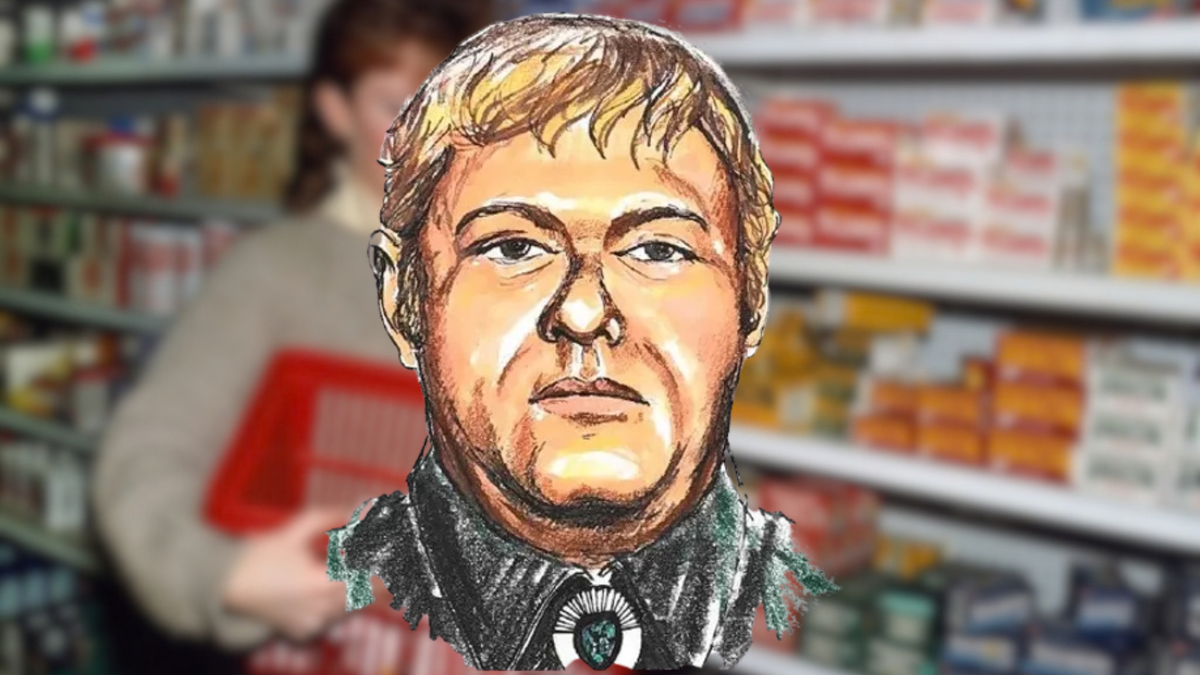
Ada County authorities in Idaho have identified Boise's "Unknown Wanderer" after 44 years. Dr. Mathew Francis Betkouski, a California-born organic chemist, died by cyanide poisoning beneath a pew at Sacred Heart Catholic Church in December 1982. Investigators say evidence may connect him to the unsolved 1982 Chicago-area Tylenol poisonings that killed seven people ABC7.
One of 30 keys found on Betkouski's body helped detectives trace his identity after decades. A typewritten note with his body, signed "Wm. L. Toomey," requested his $1,900 be used for funeral costs and cremation, with remaining funds donated to the church 6ABC. Authorities stress they cannot definitively link him to the Tylenol killer, though suspicious evidence remains ABC30.
The Man Behind the Mystery
Betkouski was found dead in 1982 using the alias Wm. L. Toomey. No one knew his real identity for four decades. Detective Tim Cooper said Betkouski had documented interest in chemistry and explosives from childhood. A traumatic brain injury in 1974 preceded increasingly concerning behavior ABC7.
The investigation received help from the television program "Unsolved Mysteries," which featured the Boise case in 1990. Forensic psychiatrist Dr. Park Dietz participated in the recent identification announcement. The case drew renewed attention after decades of cold-case work by local authorities ABC13.
Suspicious Links to Tylenol Poisonings
The 1982 Tylenol murders killed seven people across the Chicago area. Investigators found circumstantial evidence connecting Betkouski to the case. He reportedly had knowledge of poisoning capsules and owned a Chicago map. Homemade cyanide was found at his childhood home ABC7NEWS.
However, Detective Cooper said the cyanide found at Betkouski's former home likely differed from poison used in the actual Tylenol deaths. Authorities could not definitively identify Betkouski as the killer. Unverified reports mention a confession before his suicide, but evidence remains inconclusive ABC30.
An Unsolved Case That Changed Drug Safety
The Tylenol poisonings remain officially unsolved to this day. James Lewis, the only person convicted in connection with the murders, died in 2023. The case led directly to tamper-resistant drug packaging and federal anti-tampering legislation that protects consumers nationwide ABC7.
Betkouski's identification offers a possible—but unproven—explanation for one of America's most notorious unsolved crimes. Authorities acknowledge gaps in the evidence connecting him to the poisonings. The case demonstrates how cold investigations can yield answers decades later through persistence and new investigative tools 6ABC.
Sentiment
Mostly NegativeNEGATIVENEUTRALPOSITIVE
Publishers
18
Articles
40
Reach
58
Topics
A
AnonymousAuthor


