Missing Journalist, Fixer Released in Djibouti
Missing Journalist, Fixer Released in Djibouti
Anonymous
Key Points
1
Reddy arrived in Djibouti from Johannesburg via Addis Ababa on Thursday evening and was staying at the Escale International Hotel in Djibouti City; he had planned to remain in the country for no more than three days.
2
Reddy’s ICIJ editor, Fergus Shiel, said the journalist was in Djibouti to pursue a long-term investigation and not to report on Djibouti itself, adding that he could not disclose details because doing so might put Reddy at further risk.
3
Before joining the ICIJ, Reddy worked at the amaBhungane Centre for Investigative Journalism from 2017 and served as national coordinator for media freedom and diversity at the Right2Know Campaign; his work has covered governance, corruption and financial affairs across Africa.
4
As concerns grew, the South African and British governments sought contact with Djiboutian authorities, while U.S. officials and the Djibouti government were also approached for information about the pair.
5
Before the detention was confirmed, CPJ called for a prompt and transparent investigation and said journalists must be able to work “without fear of disappearance or obstruction,” while urging authorities to provide information to the men’s families and employers.
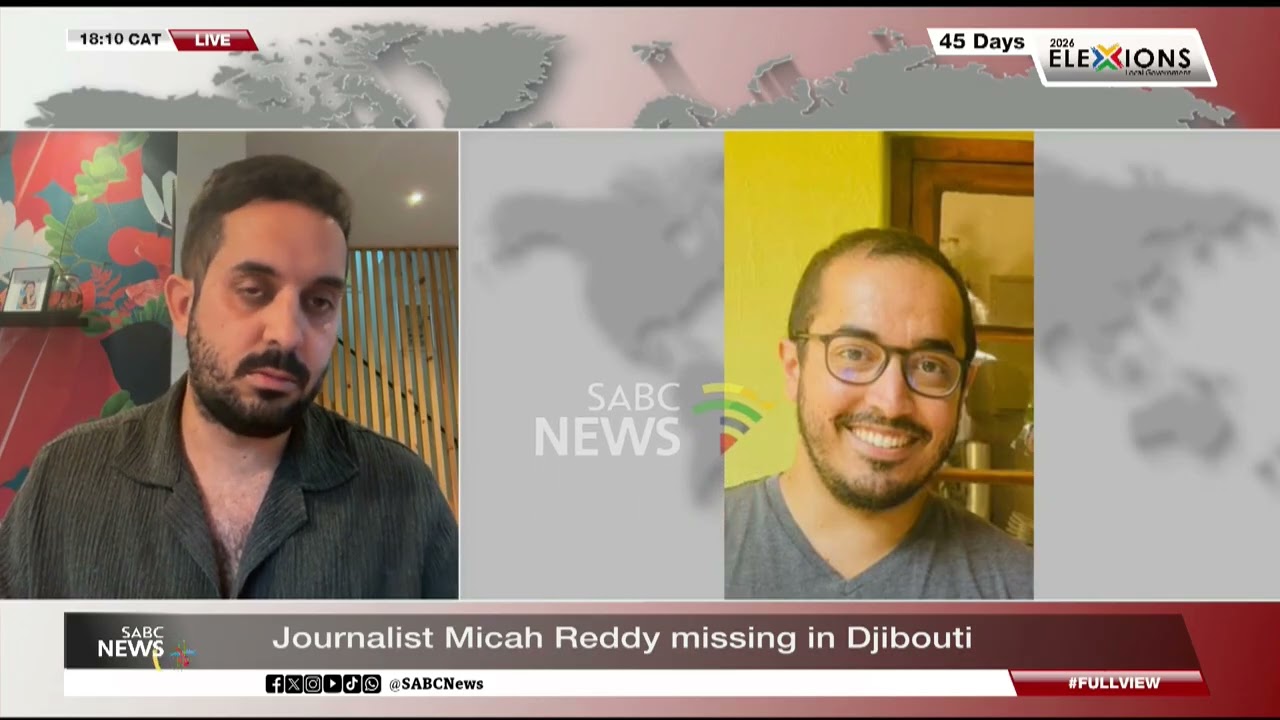
South African investigative journalist Micah Reddy and his Djiboutian fixer Kooki Mahmoud have been released after being detained in Djibouti for nearly two weeks, ICIJ and his family confirmed. Committee to Protect Journalists said Reddy was held because he lacked proper media accreditation, though he arrived in the country on September 19 to pursue a long-term investigation unrelated to reporting on Djibouti itself. Both men were freed without charge after authorities in South Africa, Britain, and the United States pressed for their release.
The detention raised alarm among press freedom advocates. CPJ welcomed the release but criticized the secrecy surrounding their imprisonment and demanded clarity on Djibouti's accreditation rules and how journalists are treated in the country.
Journalist Detained Without Explanation for Days
Reddy flew into Djibouti City on Thursday evening from Johannesburg via Addis Ababa and checked into the Escale International Hotel. He planned to stay for just three days. Within hours, both he and Mahmoud vanished. ICIJ editor Fergus Shiel said the journalist was pursuing an investigation but could not reveal details, fearing it might endanger Reddy further.
For days, authorities gave no official word. Reddy's family and employer had no idea where he was or if he was safe. CPJ called for a swift, transparent investigation and urged officials to tell his family and ICIJ what had happened.
Djibouti Cites Missing Media Accreditation as Reason
After the detention was confirmed, Djiboutian authorities said Reddy lacked the required media credentials to work in the country. This explanation raised eyebrows among press freedom advocates. Reddy was not reporting on Djibouti — his investigation was entirely separate — yet he still faced detention for paperwork issues.
CPJ called the accreditation process into question and warned that using it as grounds for detention chills press freedom. The group emphasized that journalists must be able to work across borders "without fear of disappearance or obstruction."
Reddy's History Investigating Corruption Across Africa
Reddy, the Africa editor for ICIJ, has spent years digging into governance, corruption, and financial scandals across the continent. Before joining ICIJ, he worked at amaBhungane Centre for Investigative Journalism from 2017 and served as national coordinator for media freedom at the Right2Know Campaign.
His reporting has made him a respected but sometimes controversial figure. The detention in Djibouti — a country with a history of tight media control — underscores risks that African journalists face when pursuing sensitive investigations, even across borders.
Diplomatic Pressure Led to Swift Release
As concerns mounted, diplomats moved quickly. South Africa and Britain sought direct contact with Djibouti's government. The United States and other officials also pressed authorities for information. Within roughly two weeks, both Reddy and Mahmoud were freed.
Reddy's family confirmed he was unharmed and heading home. CPJ welcomed the release but made clear it was not enough — Djibouti must explain its accreditation system and guarantee that journalists can work without harassment or secret detention.
Sentiment
Mostly NegativeNEGATIVENEUTRALPOSITIVE
Publishers
18
Articles
104
Reach
122
A
AnonymousAuthor


