Public Health Vending Machines
Staten Island installs free public health vending machines to help fight opioid overdoses.
Anonymous
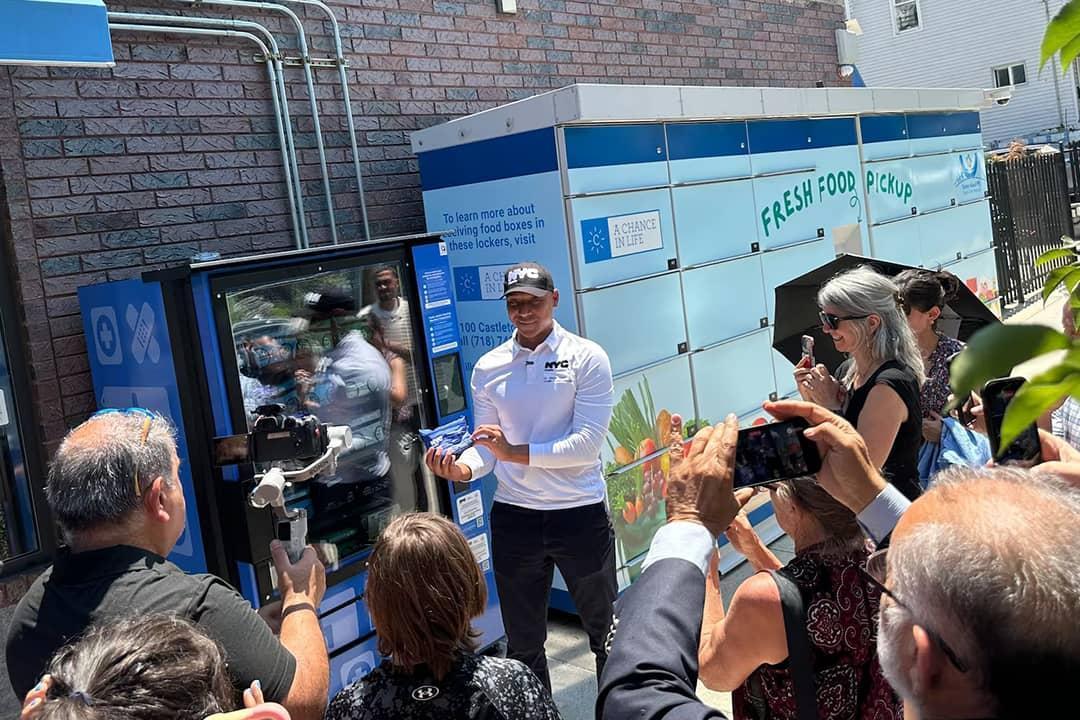
Staten Island's North Shore neighborhoods now have vending machines stocked with free naloxone kits and other public health supplies to combat opioid overdoses. Courant reports that Adrienne Abbate, executive director of Partnerships for Community Wellness, secured city opioid settlement funding to install the machines, which also dispense emergency contraception, condoms, and socks to residents in need.
The machines arrive as New York City reports fewer fatal drug overdoses, thanks to wider access to naloxone, expanded medication-assisted treatment, and harm reduction services Daily News. The funding will also expand drug prevention, treatment, and recovery programs across Staten Island.
Free Overdose-Reversal Kits Available Around the Clock
The vending machines dispense naloxone, an opioid-reversing medication that can stop overdoses in minutes. Pottsmerc explains that anyone can use naloxone — even untrained bystanders — making it a critical tool in neighborhoods hit hard by the opioid crisis. Staten Island's North Shore has struggled with addiction for years, and the machines place lifesaving medication within reach 24/7.
Settlement Money Powers Wider Public Health Initiative
Abbate's proposal drew from New York City's opioid settlement fund, which cities across the country have tapped to fight the addiction crisis. Trentonian notes the money will not just stock vending machines but also fund drug prevention classes, addiction treatment programs, and peer recovery services. The investment recognizes that vending machines alone cannot solve overdose deaths without wraparound support.
Overdose Deaths Drop as Harm Reduction Spreads
New York City has seen fatal overdoses decline in recent years. The Times-Tribune attributes the drop to three key shifts: more people carrying naloxone, easier access to medications like methadone and buprenorphine, and city investment in harm reduction services. The vending machines fit into this broader strategy of meeting people where they are and removing barriers to survival.
Machines Also Stock Condoms, Emergency Contraception, and Socks
Beyond naloxone, the machines provide condoms, emergency contraception pills, and socks — items that address unmet needs in low-income neighborhoods. Journal-Advocate reports that Partnerships for Community Wellness designed the machines to be shame-free and judgment-free spaces. The approach recognizes that people struggling with addiction often face multiple health and survival challenges at once.
Sentiment
NeutralNEGATIVENEUTRALPOSITIVE
Publishers
6
Articles
6
Reach
6
Topics
A
AnonymousAuthor


