Federal Reserve Policy Shift
Fed Chair Kevin Warsh Eliminates Forward Guidance Ahead of Jackson Hole
Anonymous
Key Points
1
Warsh moved to eliminate forward guidance and remove post-meeting forward-looking statements, and began a panel review of Fed communications to reassess how the central bank conveys information.
2
At the July 29 press conference, Warsh declined to say whether he would raise rates if inflation remained elevated, arguing that forward guidance could reduce the Fed's flexibility.
3
Following his remarks, markets moved with higher interest rates and mortgage costs as the FOMC left rates unchanged at 3.5%-3.75% and dissenters urged a rate hike.
4
Analysts emphasize the need for Warsh to clarify his conceptual framework for monetary policy, with David Wilcox of the Peterson Institute noting the lack of illumination.
5
Warsh’s Jackson Hole address is expected to touch on big topics such as AI, productivity, demographics and global shocks, signaling how inflation strategy may evolve.
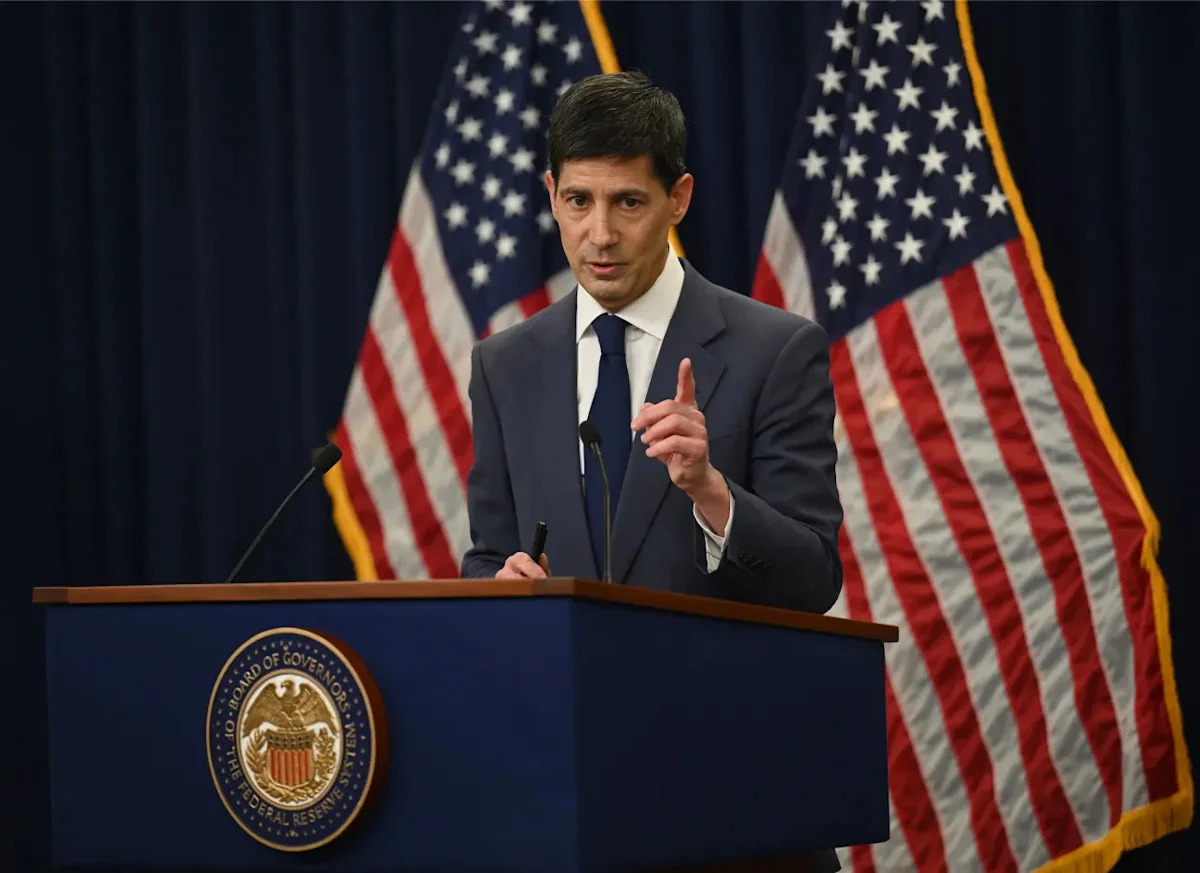
Federal Reserve Chair Kevin Warsh is heading to Jackson Hole with markets hungry for answers. Since taking office on May 22, Warsh has ditched forward guidance and stopped making post-meeting statements about where rates are headed. Yahoo Finance reports that American Banker says his upcoming speech is expected to establish the Fed's credibility with markets and clarify his inflation strategy.
The mystery is deliberate. At a July 29 press conference, Warsh refused to say whether he'd raise rates if inflation stayed high, claiming forward guidance limits flexibility. But the silence has spooked investors. Courthouse News notes Warsh faces pressure to clarify his views on inflation and interest rates as ordinary Americans struggle with gas, groceries, and housing costs.
Why Warsh Ditched the Fed's Old Playbook
For decades, Fed chairs have telegraphed their next moves. Forward guidance tells markets what the central bank plans to do—raise rates, hold steady, or cut. Warsh decided to throw that out. He eliminated forward guidance and began a panel review of how the Fed communicates. His argument: rigid commitments box in policymakers and prevent quick pivots when conditions change.
Markets Got Spooked By The Silence
When Warsh refused to commit on rate hikes at the July 29 press conference, the market reacted. Trading View reports that interest rates and mortgage costs rose as the FOMC left rates unchanged at 3.5%-3.75%. Three FOMC members wanted a hike anyway. The Fed's murkiness created anxiety rather than clarity.
Investors and economists want to know: Is the Fed worried about inflation? Are rates going up or down? David Wilcox of the Peterson Institute pointed out the lack of illumination in Warsh's framework. Courthouse News notes that everyday concerns about affordability—gas, groceries, housing—make the Fed's silence feel tone-deaf.
Jackson Hole Speech Expected to Outline Big Picture
Warsh's Jackson Hole address will tackle topics far beyond inflation: artificial intelligence, productivity, demographics, and global shocks. American Banker and National Mortgage News report that the speech is expected to establish the Fed's credibility and signal how inflation strategy may evolve. This is Warsh's chance to explain his conceptual framework—why the Fed is doing what it's doing.
The Divide Inside the Fed Remains Unresolved
The July vote showed cracks. Nine FOMC members wanted to hold rates steady. Three—Beth Hammack, Neel Kashkari, and Lorie Logan—pushed for a hike. Yahoo Finance and Trading View report that Stephen Miran said a rate hike now would be 'really strange.' Warsh needs to explain how he'll navigate this divide and whether inflation staying near 2% changes anything.
Sentiment
Mostly NegativeNEGATIVENEUTRALPOSITIVE
Publishers
10
Articles
58
Reach
68
A
AnonymousAuthor


