NYC Subway Fire
Astor Place Vacuum Train Fire Hospitalizes Responders, Disrupts NYC Subway Service
Anonymous
Key Points
1
FDNY Deputy Chief Tom Currao said investigators believe ignition may have occurred near the oil and debris on the tracks, stating that it 'might have possibly been one of the areas where the ignition occurred.'
2
A northbound passenger train was pulling into the Astor Place station as the fire began, and all riders were evacuated safely with no injuries reported.
3
The vehicle involved was a vacuum work train used to clean debris from the tracks; FDNY noted it 'pulls up the oil and debris from the tracks,' which could have been a ignition area.
4
Injuries were distributed with two MTA workers sustaining moderate injuries and five others, along with all six firefighters, hospitalized with minor injuries.
5
One MTA worker refused medical attention at the scene.
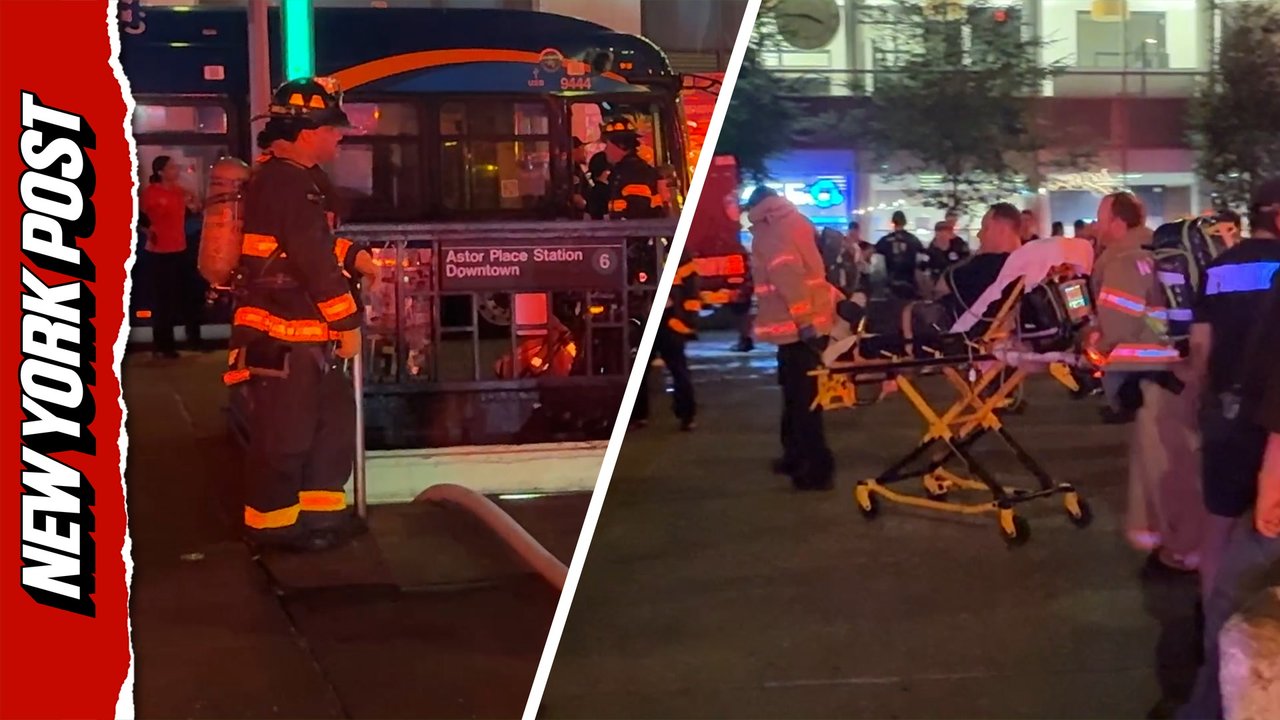
A vacuum work train caught fire inside the Astor Place subway station in Manhattan at around 2:15 a.m. Tuesday, injuring at least 12 people and halting service on the 4 and 6 lines for several hours, according to Gothamist. About 141 fire and EMS personnel responded, and firefighters brought the blaze under control by roughly 5:30 a.m.
Two MTA workers suffered moderate injuries. Five other MTA workers and six firefighters were hospitalized with minor injuries, Head Topics reported. One additional MTA worker refused treatment at the scene. Service on the affected lines resumed around 7 a.m.
Vacuum Train Sparks Second-Alarm Fire Underground
The vehicle at the center of the fire was a vacuum work train — a specialized car that sucks up oil and debris from subway tracks. FDNY Deputy Chief Tom Currao said the train's job may have made it especially dangerous. He told reporters that a mixture of oil and debris on the tracks 'might have possibly been one of the areas where the ignition occurred,' according to Fox 5 NY.
The fire was upgraded to a second alarm, which brought a large, coordinated response. A second alarm means more engines, ladder trucks, and EMS units are called in. That is how 141 personnel ended up on scene at a subway station in the middle of the night. The cause of the fire remains under investigation.
Passenger Train Evacuated Safely as Blaze Spread
A northbound passenger train was pulling into Astor Place station just as the fire broke out. Riders on board were evacuated without any injuries, Gothamist reported. No passengers were hospitalized. The quick evacuation prevented what could have been a far more serious situation.
Firefighters had to work in tight underground conditions. Subway fires are harder to fight than street-level fires because smoke builds up fast and exits are limited. Still, crews got the fire under control in about three hours and fifteen minutes from the first response.
4 and 6 Trains Suspended During Peak Early Commute
Service on the 4 and 6 lines was suspended between Grand Central–42nd Street and Brooklyn Bridge–City Hall for hours after the fire, according to Head Topics. Severe delays stretched across the lines. Commuters were advised to take buses instead — specifically the M15, M102, or M103 routes.
Trains began running again around 7 a.m., though some delays lingered into the morning rush, Gothamist reported. The disruption hit one of the busiest transit corridors in Manhattan, affecting riders heading into Midtown and Lower Manhattan.
Investigators Focus on Oil and Debris as Ignition Source
Early findings point to the material the vacuum train was collecting. Deputy Chief Currao explained that the train 'pulls up the oil and debris from the tracks,' and that same mix is a likely ignition point, per Fox 5 NY. Investigators have not yet confirmed an official cause.
Vacuum work trains run on subway tracks regularly to keep debris from building up. That debris — soaked in oil — is flammable. The MTA and FDNY are both involved in the ongoing investigation. No timeline has been given for when a final cause will be determined, NT News noted.
Sentiment
Mostly NegativeNEGATIVENEUTRALPOSITIVE
Publishers
17
Articles
17
Reach
34
A
AnonymousAuthor


