Outback Survival Memoir
German Backpacker Publishes Memoir After Surviving Outback Ordeal in Australia
Anonymous
Key Points
1
Wilga described a specific head injury during the crash sequence, saying she “slamm[ed] her head against the side window” after driving through a fence and smashing into a rock in a nature reserve 36 kilometres from Beacon.
2
In her account, she said she heard a “sound that she could not explain” that felt like she “ha[d] to wake up,” which she began following deeper into the bush even though it “made no sense” and felt irrational.
3
Wilga said she attempted to end her life twice during her ordeal, but that her body’s survival instincts overcame her, and she added that she had promised her mother she would keep walking—“until I die… I will not give up, I want to live.”
4
She gave vivid detail about her hallucinations in the freezing nights, telling 7News that it was “terribly cold, like freezing cold,” yet she was still hallucinating, including that it was like “the stars were falling down from the sky.”
5
Before the broadcast, Wilga posted on Instagram (translated from German) that after her disappearance “things went very quiet” and that writing the book gave her “the wonderful opportunity to process what I had been through by writing a book – to capture my story and share it with you.”
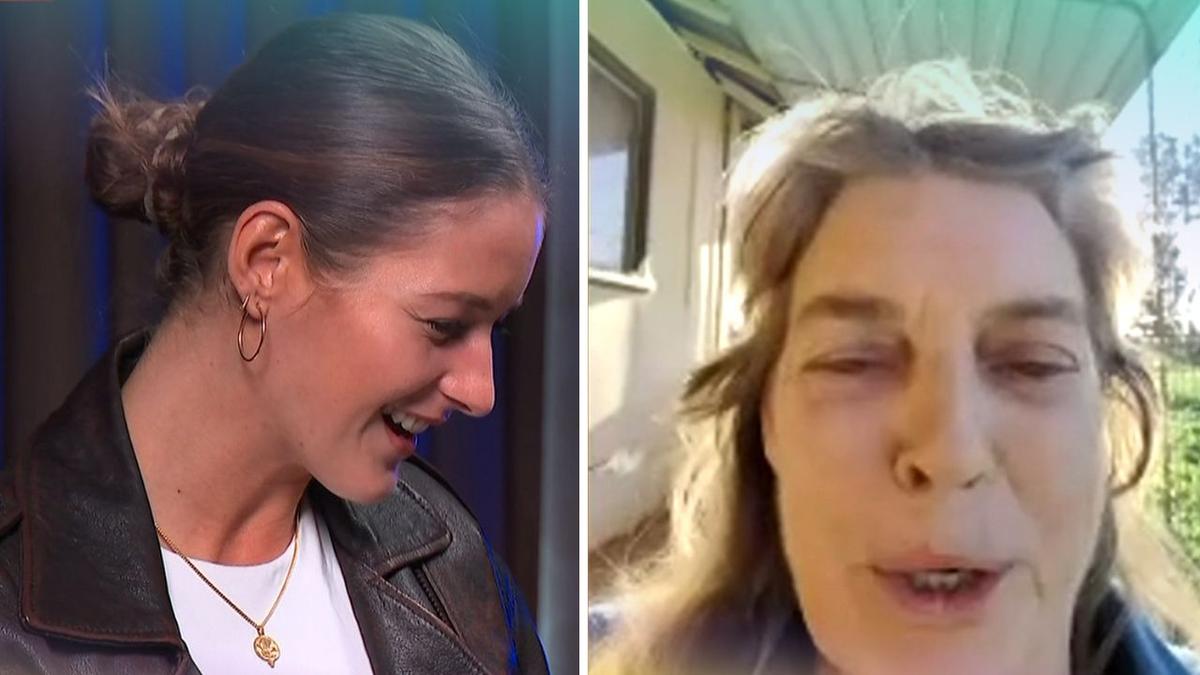
German backpacker Carolina Wilga survived 11 to 12 days stranded in Western Australia's remote outback after her Mitsubishi Delica crashed in 2025. 7News reported that Wilga, 27, was found severely malnourished and frostbitten by local farmer Tania Henley after wandering barefoot and sunburnt through the bush. She has now published her memoir, "Escaping the Outback: My Fight for Survival in the Australian Wilderness," and is set to revisit the ordeal publicly, including a virtual reunion with Henley.
Wilga crashed 36 kilometres from Beacon after swerving into a fence and hitting a rock, then abandoned her vehicle despite having food, water, and clothing. Express reported that she described the first moments after impact as believing she "was in hell," followed by severe confusion, hallucinations, and a worsening spiral of thirst, delirium, and freezing nights. Her survival depended entirely on chance discovery rather than deliberate rescue signals.
A Crash, Concussion, and the Decision to Leave
After the crash, Wilga slammed her head against the side window, causing a head injury that left her disoriented. HeadTopics reported that she described hearing an unexplained "sound" that felt like an alarm forcing her to "wake up"—a sensation she began following deeper into the bush even though it "made no sense." Experts suggest that concussion and trauma can trigger irrational decision-making, making shelter abandonment feel necessary despite the presence of supplies.
Wilga's account reveals how disorientation after head injury can override survival logic. She left a damaged but functional vehicle with water and food intact, then spent the next 11 to 12 days wandering unfamiliar terrain. 7News noted that once away from the van, she faced compounding navigation errors and psychological deterioration that made finding her way back nearly impossible.
Survival in Extreme Conditions Through Will Alone
Wilga endured freezing nights, severe dehydration, and near-starvation by chewing leaves and sipping water from puddles. 7News reported that she described the cold as "terribly" intense while simultaneously hallucinating that "the stars were falling down from the sky." The hallucinations grew worse as her body shut down, yet she pushed forward despite attempting to end her life twice during the ordeal.
A promise to her mother kept her moving. Wilga said she had vowed to her mother: "Until I die, I will not give up, I want to live." She credits this commitment with overriding her survival instincts' attempts to quit. Over 11 nights, malnutrition and exposure left her frostbitten and barely able to walk when Henley discovered her limping along a remote road.
Rescue by Chance, Not Protocol or Technology
Wilga's survival depended entirely on local awareness and human chance encounter, not on distress signals or communication technology. HeadTopics reported that Tania Henley found her by accident while traveling on a remote outback road after many days of wandering. There was no coordinated search operation that located her—only luck and a farmer's attentiveness.
Her case exposes critical gaps in traveler safety for remote areas: limited preparation for extreme temperature swings, poor communication systems in low-signal environments, and the absence of mandatory tracking protocols. Prevention requires improving preparation for solo travelers, ensuring dependable location signaling devices, and teaching clear protocols to stay with shelter when trauma is present. Better systems could have reduced her 11-day ordeal or prevented it entirely.
Publishing Her Story to Process Survival
Wilga posted on Instagram (translated from German) that after her disappearance, "things went very quiet" and that writing the book offered "the wonderful opportunity to process what I had been through." HeadTopics noted that she worked to "capture my story and share it with you," turning her trauma into narrative and testimony. The memoir serves both as personal catharsis and as a public warning.
Her reunion with Henley marks a turning point—from isolation to connection. 7News reported that the two plan a virtual meeting before Wilga's broader public appearances. By publishing and speaking openly, Wilga transforms a 12-day nightmare into a lesson about survival instinct, the dangers of solo travel in extreme environments, and the power of human connection in recovery.
Sentiment
Mostly NegativeNEGATIVENEUTRALPOSITIVE
Publishers
14
Articles
32
Reach
46
A
AnonymousAuthor


