Historic Coastal Escapes
Three Historic British Coastal Towns Across England and Wales Highlight Heritage and Scenic Walks
Anonymous
Key Points
1
Rye’s strategic harbour, positioned on the narrowest part of the English Channel, drew it into the turmoil surrounding William the Conqueror’s 1066 Norman invasion and later helped establish its reputation as a pirate and smuggling centre.
2
The Mermaid Inn has links to the notorious Hawkhurst Gang, which reportedly used hidden passageways and rooms beneath the inn; the building was rebuilt in 1420 and still operates as a pub, hotel and events venue.
3
Rye also contains Lamb House, built in 1723 and associated with writer Henry James, while the 18th-century Old Borough Arms is a family-run pub and guest house overlooking the River Rother.
4
Porthgain’s industrial heritage dates from the early 19th century, when slate, bricks and building stone were exported from Pembrokeshire; the surviving works and harbour infrastructure help give the village its distinctive character.
5
Porthgain is reached by a narrow, steep lane ending in an informal gravel parking area, reinforcing the hamlet’s remote, off-grid feel—particularly outside the peak season.
Three picturesque British coastal towns offer visitors a blend of history, independent dining, and scenic charm. Express highlights Lytham St Annes near Manchester and Liverpool for its refined seaside atmosphere, while Porthgain in Pembrokeshire draws travelers with its remote industrial heritage and local restaurants. Rye in East Sussex, less than 80 miles from London, combines medieval streets with a notorious smuggling past that shaped its character for centuries.
Lytham St Annes: A Refined Escape From Busy Beaches
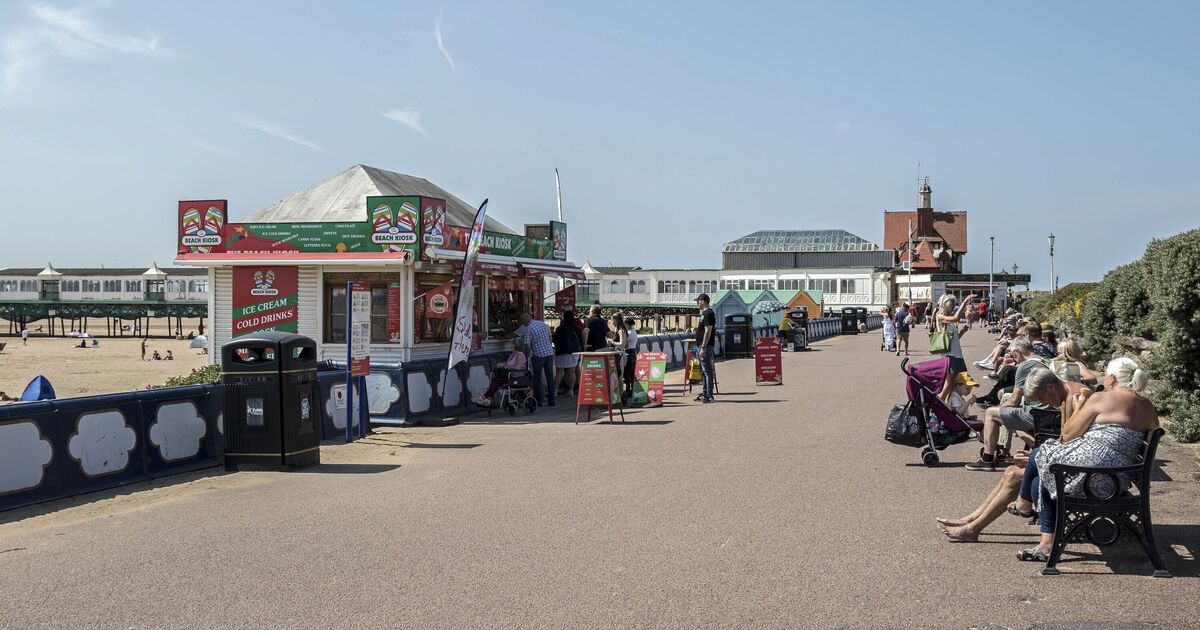
Lytham St Annes sits between two major cities yet maintains a laid-back, uncrowded feel compared to nearby Blackpool. Express notes the town features Lytham Green, an early-19th-century windmill now operating as a museum, plus seafront gardens and a renowned golf course. Independent shops and cozy cafes line the streets, offering visitors a quieter alternative to crowded seaside resorts.
Porthgain's Hidden Industrial Past and Remote Setting
Porthgain is a secluded former industrial port in Pembrokeshire that exported slate, bricks, and building stone starting in the early 19th century. The surviving works and harbour infrastructure give the village its distinctive character. A narrow, steep lane leads to an informal gravel parking area, reinforcing the hamlet's off-grid feel, especially outside peak season.
The Shed Bistro and The Sloop Inn serve local diners, while the nearby Blue Lagoon offers scenic views. Visitors can access the Pembrokeshire Coastal Path directly from the village, connecting Porthgain to broader hiking networks along the Welsh coast.
Rye's Medieval Streets and Smuggling Legends
Rye's strategic location on the narrowest part of the English Channel drew it into Norman invasion turmoil in 1066 and later established its reputation as a pirate and smuggling hub. The famous Mermaid Inn, rebuilt in 1420 and still operating as a pub and hotel, has links to the notorious Hawkhurst Gang, which allegedly used hidden passageways beneath the building.
Cobbled Mermaid Street showcases the town's medieval character alongside independent shops and traditional pubs. Lamb House, built in 1723, was home to writer Henry James, while the 18th-century Old Borough Arms operates as a family-run pub and guest house overlooking the River Rother. These landmarks offer visitors a tangible connection to centuries of English history.
Sentiment
Mostly PositiveNEGATIVENEUTRALPOSITIVE
Publishers
26
Articles
29
Reach
55
A
AnonymousAuthor


