India Youth Protest
India's Young 'Cockroaches' Hold First Street Protest, Demand Education Minister's Resignation
Anonymous

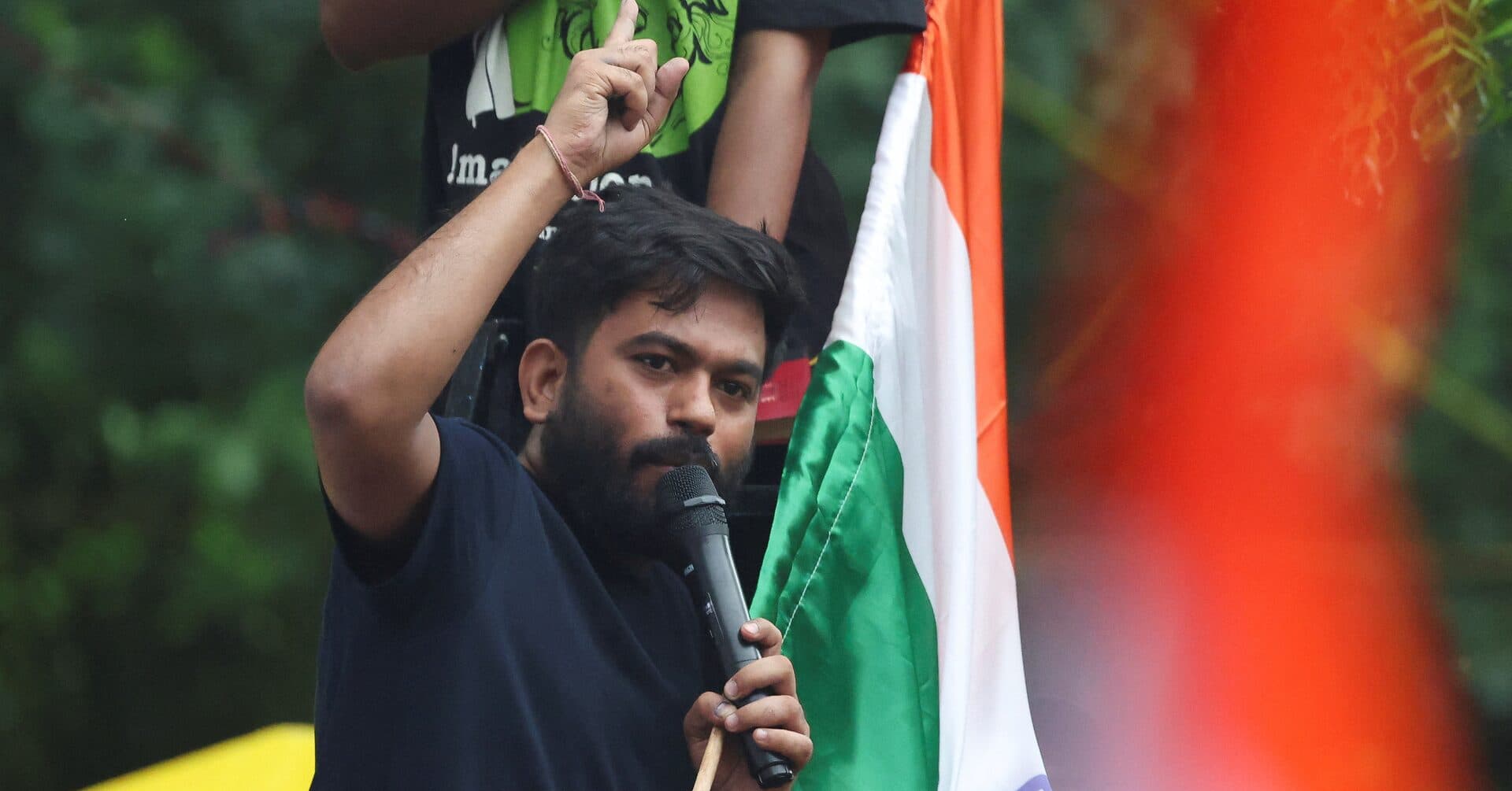
India's Cockroach Janata Party (CJP) took its fight from the internet to the streets on June 6, 2026, holding its first physical protest at Jantar Mantar in New Delhi. Hundreds of demonstrators gathered wearing cockroach masks, issuing a 7-day ultimatum for Education Minister Dharmendra Pradhan to resign — or face a nationwide "swarm." Ilford Recorder reported that over 1,000 security personnel were deployed to manage the crowd.
The movement was founded by 30-year-old Abhijeet Dipke, a Boston University graduate who launched the CJP as a satirical response after India's Chief Justice allegedly called unemployed youth "cockroaches." What started as a joke online has grown into a force with over 22 million Instagram followers — and now, its first real-world test.
A Paper Leak Turned a Meme Into a Movement
The CJP's rise was supercharged by the NEET-UG 2026 crisis. On May 3, 2.2 million students sat for India's national medical entrance exam. Days later, it was cancelled after a confirmed paper leak in Bihar. The financial damage alone reached an estimated ₹1,000 crore — the cost of re-running cancelled exams, The Argus reported.
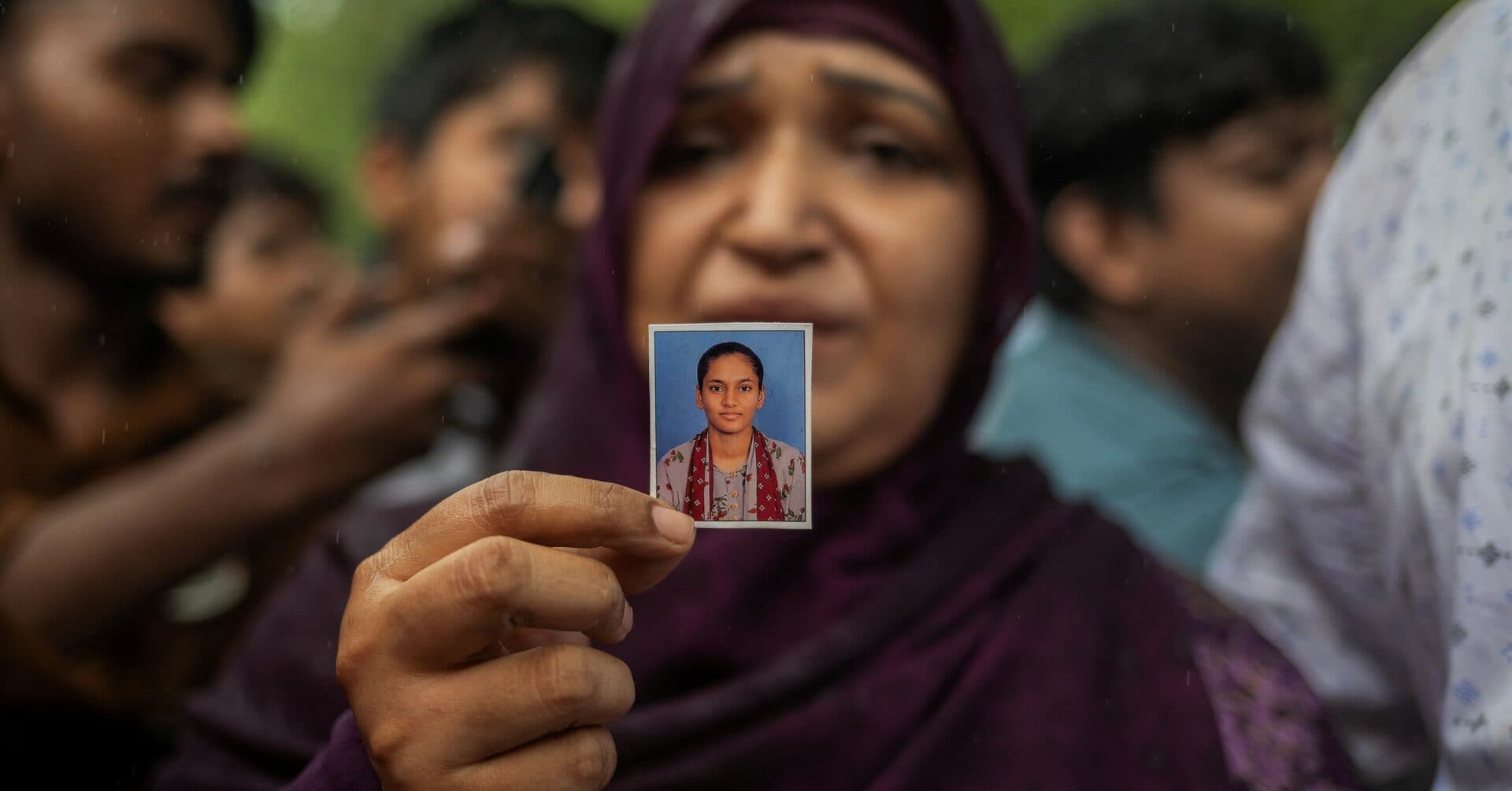
The CJP dedicated its June 6 protest to students who died by suicide after the leak. Among them was Akanksha, an 18-year-old from Madhya Pradesh whose family had borrowed ₹3 lakh to fund her studies. A separate scandal — the CBSE On-Screen Marking row — added fuel, with students reporting widespread technical errors in Class 12 evaluations, deepening anxiety across the country.
From Boston to Jantar Mantar: Dipke Returns Home
Abhijeet Dipke landed at New Delhi's IGI Airport at 8:00 AM on June 6, carrying a copy of the Indian Constitution. Hundreds of supporters met him. So did heavy police presence. Six protesters were detained during the day, but the event remained largely peaceful, St Helens Star reported.
Dipke frames the CJP as "the voice of the lazy and unemployed." His "Lazy Manifesto" calls for a Right to Employment Law. He has stayed vague about whether CJP will register as a formal party for the 2029 elections. For now, the 7-day ultimatum is the focus: if the government does not act, the CJP has warned it will spread protests to cities across India.
Graduate Unemployment and a Generation Left Behind
The protest taps into a deeper crisis. India's official unemployment rate dropped to 9.9% in 2025. But graduate unemployment sits at nearly 40%, according to SBI Research data cited by Gazette Herald. India's under-25 population makes up over 25% of the country. That is a vast pool of frustrated, educated young people with few options.
Observers are drawing comparisons to youth movements across South Asia. The Aragalaya protests in Sri Lanka and student-led uprisings in Nepal and Bangladesh all began as digital phenomena before toppling established elites. Ipswich Star noted analysts see the CJP as a similar "biological shift" — where Gen-Z uses social media energy to bypass traditional party structures entirely.
Government Pushes Back, Opposition Rallies Behind Cockroaches
The government's response has been sharp. Senior Minister Kiren Rijiju accused the CJP of being driven by an "anti-India gang." Pro-government voices have dismissed the movement as bot-driven. Notably, the CJP's official X (formerly Twitter) account was reportedly blocked following a legal demand, Times and Star reported, after the page's following surpassed that of the ruling BJP on Instagram.
The opposition has rallied behind the protesters. Congress General Secretary Jairam Ramesh called Pradhan's continued presence in office an "insult to students." Prominent activist Sonam Wangchuk declared himself an "honorary cockroach" in solidarity. The CJP's online petition demanding Pradhan's resignation has collected over 800,000 signatures, according to Dumbarton Reporter.
Sentiment
NeutralNEGATIVENEUTRALPOSITIVE
Publishers
10
Articles
10
Reach
10
A
AnonymousAuthor