Tata Sons Public Listing
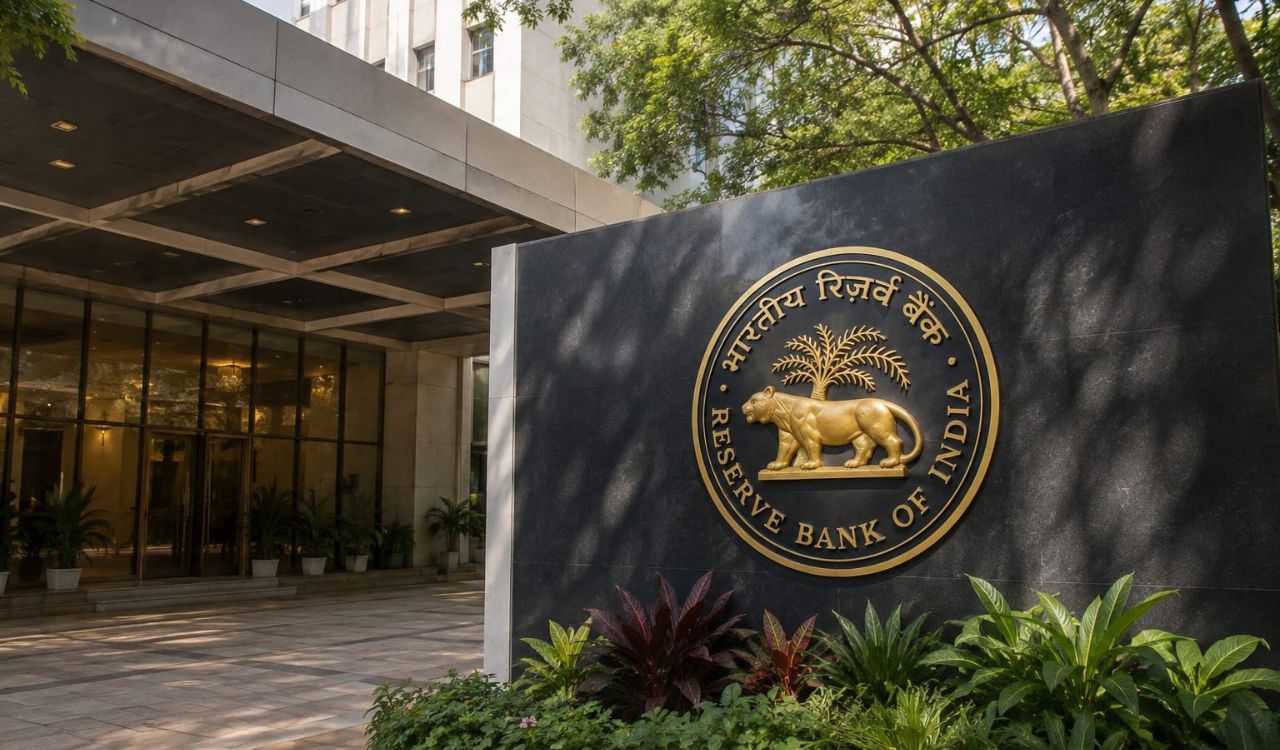
RBI Rejects Tata Sons Deregistration Request, Mandating Compliance With Upper-Layer Rules
Anonymous
Key Points
1
The RBI’s rejection was conveyed in a letter dated September 11, 2026, stating that Tata Sons’ request to surrender its registration “cannot be acceded to.”
2
The RBI had already retained Tata Sons on its August 2026 list of 17 upper-layer NBFCs for the 2026–27 financial year; the designation subjects the company to enhanced regulatory requirements for at least five years, including mandatory listing within three years of identification.
3
Tata Sons argued that deregistration was appropriate because it was majority-owned by charitable trusts, did not mobilise public funds and functioned only as a core investment company—arguments the RBI ultimately rejected.
4
A listing would bring increased transparency and governance disclosures and could give Tata Sons another source of capital for major investments, while the holding company owns stakes across technology, automobiles, steel, consumer products, aviation, hospitality and financial services.
5
The RBI decision follows recent allegations of governance lapses at Tata Sons, adding scrutiny of the company’s oversight and disclosures as it faces the prospect of becoming publicly traded.
The Reserve Bank of India has rejected Tata Sons' bid to surrender its financial company registration, forcing India's largest conglomerate to pursue a stock-market listing. Telangana Today reported the RBI's rejection came in a September 11, 2026 letter stating the request "cannot be acceded to." Tata Sons, which owns stakes in technology, automobiles, steel, and aviation, has assets of ₹2 lakh crore — well above the RBI's ₹1 lakh crore threshold for upper-layer oversight.
The holding company spent two years paying down ₹21,000 crore in debt to qualify for deregistration, but the RBI's revised rules triggered automatic upper-layer classification in June 2026. News18 reported that the RBI filed a legal caveat in Bombay High Court to block any judicial attempt to overturn the decision. The listing requirement has split the Tata empire: Tata Trusts, which controls 66% of Tata Sons, opposes going public, while the Shapoorji Pallonji Group's 18% stake holders support it to unlock value.
Why Tata Sons Fought the Listing Requirement
Tata Sons applied for deregistration in March 2024 after becoming debt-free. The company argued three grounds for exemption: it is majority-owned by charitable trusts, does not mobilize public deposits, and functions only as a holding company. The Hindu Business Line noted the RBI rejected all three arguments, citing the firm's ₹2 lakh crore asset base as the decisive factor under new threshold-based rules.
Tata Trusts views a listing as unnecessary burden forcing quarterly earnings focus onto a structure designed for long-term patient capital and philanthropic dividends. The trusts have historically made decades-long bets on growth. A public listing would demand immediate performance metrics and quarterly shareholder updates — a model Tata Trusts leadership has resisted.
The RBI's Scale-Based Regulatory Framework
In 2021, the RBI introduced scale-based regulations to monitor systemic risk from large non-banking financial companies. The framework places the largest firms in an upper layer requiring bank-like capital rules and mandatory public listing within three years. Money Rediff reported Tata Sons landed on the upper-layer list in September 2022, triggering a three-year clock toward disclosure requirements.
The June 2026 rule shift proved fatal to Tata Sons' strategy. The RBI replaced a scoring system with a simple threshold: any NBFC with ₹1 lakh crore or more in assets automatically qualifies as upper-layer. Tata Sons' standalone assets exceed ₹2 lakh crore, making deregistration mathematically impossible under the new regime.
Split Within the Tata Family Over Listing
Tata Trusts holds 66% of Tata Sons and has opposed a listing for decades. The trusts use dividends from Tata Sons to fund philanthropy across health, education, and rural development. Going public would expose strategic decisions to quarterly scrutiny and activist shareholder pressure — a threat trustees view as incompatible with long-term giving missions.
The Shapoorji Pallonji Group, holding 18%, backs listing enthusiastically. The Mistry family sees an IPO as essential to monetize their stake, unlock hidden holding-company value, and refinance corporate debt. The Statesman reported the RBI's mandatory listing ruling has shifted board dynamics, with some directors now urging N. Chandrasekaran to delay his planned February 2027 exit to guide the company through an IPO process.
What an IPO Could Change
A Tata Sons listing would be one of India's largest ever, potentially reshaping stock market liquidity and governance standards. Market analysts note it would eliminate the so-called "holding company discount" that depresses valuations at listed Tata subsidiaries like TCS, Tata Motors, and Tata Steel. Public ownership would also force quarterly disclosures on capital allocation, strategy, and financial health.
The ruling adds urgency to leadership succession planning. The Statesman reported that N. Chandrasekaran's announced exit in February 2027 now faces board reconsideration — directors may ask him to stay longer to manage the IPO transition. The September 17, 2026 board meeting will decide whether to mount a legal challenge or begin listing preparations, a choice that carries decades-long consequences for one of Asia's oldest industrial empires.
Sentiment
Mostly NegativeNEGATIVENEUTRALPOSITIVE
Publishers
114
Articles
92
Reach
206
A
AnonymousAuthor


