Aggravated Murder Trial Ordered
Utah Judge Rules Tyler Robinson Must Stand Trial for Aggravated Murder
Anonymous
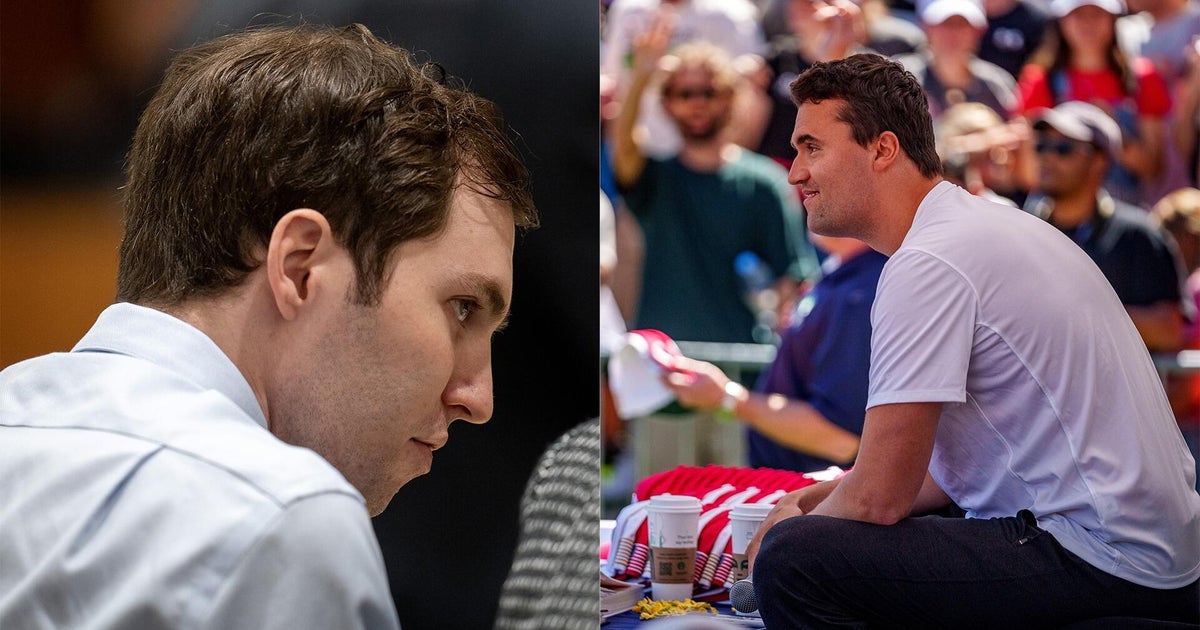
A Utah judge ruled that Tyler Robinson will stand trial for aggravated murder in the shooting death of conservative activist Charlie Kirk at Utah Valley University in 2025, according to CBS News. Judge Tony Graff found sufficient evidence to move the case forward, meaning Robinson could face the death penalty, life without parole, or 25 years to life in prison.
Robinson also faces charges of obstruction of justice and felony discharge of a firearm causing serious bodily injury, Herald Bulletin reported. The aggravated murder charge rests on prosecutors' claim that Robinson knowingly endangered others by intentionally firing into a crowd where Kirk stood.
Why Aggravated Murder Instead of Simple Murder
Utah law distinguishes aggravated murder from standard murder based on the circumstances of the crime. Prosecutors argue that Robinson's decision to fire into a crowd—rather than at Kirk alone—makes the offense more severe. This legal distinction matters enormously: aggravated murder opens the door to capital punishment, while simpler murder charges carry lighter sentences.
What Robinson Now Faces if Convicted
Robinson's possible sentences range from 25 years to life to death by execution, according to KVOA. If convicted of the additional firearm charge, he could serve concurrent or consecutive sentences. The choice of which sentence applies will rest with a jury and judge once evidence is presented during trial.
The Path to Trial Was the Judge's First Test
Judge Tony Graff held a preliminary hearing to decide whether probable cause existed. Idaho State Journal reported that Graff found the state's evidence sufficient to proceed. Defense lawyers had argued against moving forward; their loss at this stage signals prosecutors have a credible case but guarantees nothing at trial.
Charlie Kirk's Prominence Made This a High-Profile Case
Kirk is a well-known conservative political commentator and activist. The shooting occurred in front of a crowd at Utah Valley University, making it a public incident with immediate national attention. High-profile cases typically draw intensive media coverage and public interest, which can affect jury selection and courtroom dynamics.
Sentiment
NeutralNEGATIVENEUTRALPOSITIVE
Publishers
7
Articles
6
Reach
7
A
AnonymousAuthor


