FDA Reviews Galleri Test
GRAIL Shares Surge Following Favorable FDA Review For Galleri Cancer Test
Anonymous
Key Points
1
GRAIL completed a $110 million strategic financing with Samsung, intended to support commercial expansion of Galleri in South Korea, Japan and Singapore.
2
The FDA staff summary said Galleri met all prespecified success criteria for specificity, episode sensitivity and cancer-site-of-origin prediction accuracy, and highlighted its ability to identify cancers at stages considered amenable to curative treatment.
3
GRAIL’s second-quarter results showed adjusted gross profit rising 34% to $21.6 million, even as the company’s average selling price declined and its adjusted EBITDA loss widened 15% to $90.3 million.
4
Galleri and Abbott Laboratories’ competing Cancerguard test are already marketed under Clinical Laboratory Improvement Amendments regulations, but neither test has FDA approval.
5
At Monday’s share price, GRAIL’s equity value was approximately $4.86 billion, or about 27.2 times its annualized second-quarter revenue; the stock also traded above the highest analyst price target cited in the report.
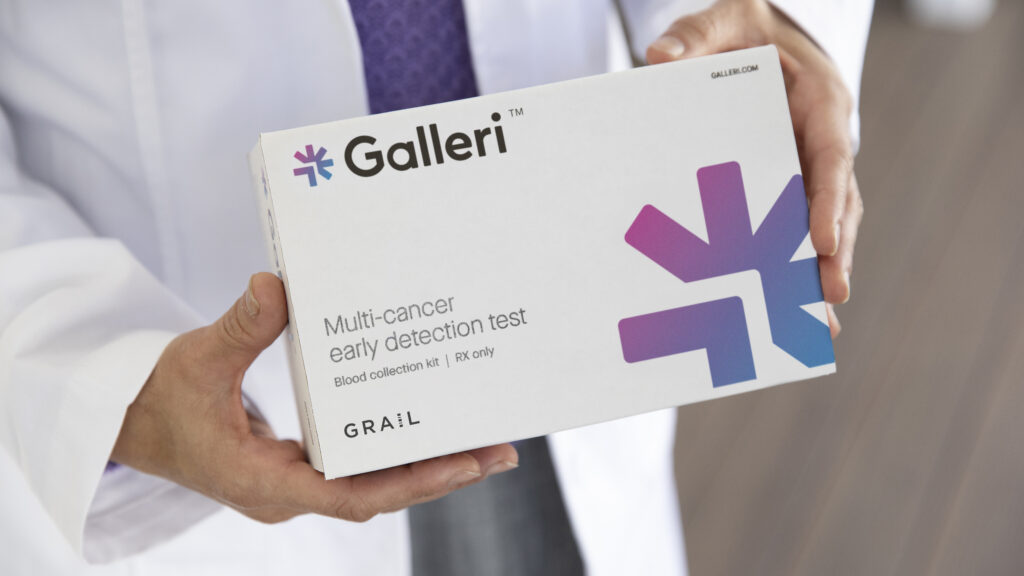
GRAIL shares jumped roughly 35% after the FDA released briefing materials showing no major concerns about Galleri, a blood test that screens for more than 50 cancers. StatNews reported the surge came ahead of an advisory committee vote scheduled for September 23. The FDA staff summary said Galleri met all success targets for accuracy and safety, boosting investor confidence in the company's path to approval.
Yet questions remain about the test's real-world impact. Galleri detects only about one-third of early cancers, and a U.K. trial did not show it significantly improved early detection or reduced late-stage diagnoses. The News Tribune noted the FDA has specifically asked whether evidence supports calling Galleri an "early detection" tool, a key question the advisory committee will weigh on September 23.
FDA Staff Finds No Safety or Accuracy Red Flags
The FDA's briefing documents cleared a major hurdle for Galleri's approval bid. Endpoints News noted the FDA staff raised no objections to the test's design or primary safety analyses. The agency confirmed Galleri met all prespecified targets for specificity — meaning it correctly identifies people without cancer — and for pinpointing which organs cancers came from.
The FDA also highlighted Galleri's ability to spot cancers at stages where treatment can be curative. This detail resonated with investors, who interpreted the documents as a strong positive signal before the advisory committee meeting. However, the committee's recommendation will be nonbinding, leaving final approval in the FDA's hands.
GRAIL's Revenue Growth Masks Mounting Losses
GRAIL reported second-quarter revenue of $44.7 million, up 26% year over year, with more than 61,000 tests sold. Adjusted gross profit rose 34% to $21.6 million. But the company's financial picture darkened elsewhere: net loss hit $110.2 million, and adjusted EBITDA loss widened 15% to $90.3 million, signaling the firm still burns cash quickly.
GRAIL also completed a $110 million strategic financing with Samsung to fund Galleri's expansion in South Korea, Japan, and Singapore. At Monday's stock price of roughly $108, GRAIL's equity value reached approximately $4.86 billion — about 27.2 times its annualized quarterly revenue and above every published analyst target.
The Test Already on Market Without FDA Approval
Galleri and Abbott Laboratories' competing Cancerguard test are already being sold to patients under Clinical Laboratory Improvement Amendments regulations, which allow labs to offer blood tests without full FDA review. Neither test has won FDA premarket approval — yet. FDA approval could expand insurance coverage and physician adoption, potentially unlocking new revenue streams.
The September 23 vote will be pivotal. A positive recommendation could accelerate GRAIL's commercial momentum and justify its soaring valuation. A negative vote — or sustained operating losses — could quickly erode investor enthusiasm and expose cracks in the company's path to profitability.
Sentiment
Mostly NegativeNEGATIVENEUTRALPOSITIVE
Publishers
21
Articles
90
Reach
111
A
AnonymousAuthor


