Oracle Share Sale
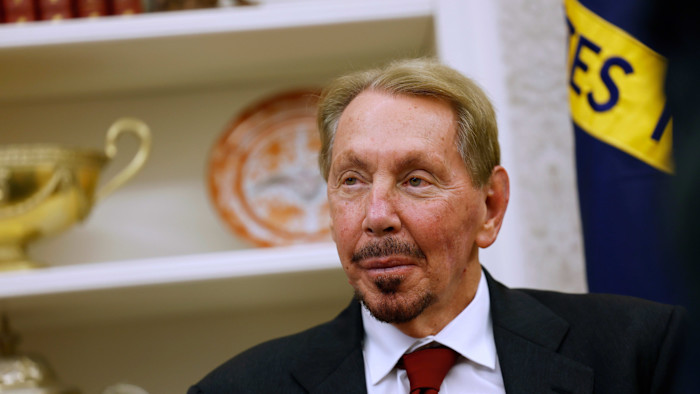
Larry Ellison adopts plan to sell $7.5 billion in Oracle shares amid AI expansion.
Anonymous
Key Points
1
Oracle delivered more than 300,000 GPUs to customers during the quarter and raised its full-year earnings forecast, underscoring the scale of its AI infrastructure rollout.
2
Oracle has already completed a $20 billion common-stock sale as part of its broader plan to raise $40 billion through debt and equity this fiscal year.
3
Oracle shares have fallen roughly 20% this year as investors have focused on the company’s increased debt and balance-sheet pressures despite its AI-driven growth.
4
Recent disclosures indicate that Ellison has already pledged between 277 million and 346 million Oracle shares as collateral, providing additional context for his longstanding strategy of borrowing against his holdings rather than selling them.
5
Ellison’s cumulative Oracle stock sales since 2010 have totaled approximately $7.5 billion, but he had not sold more than $1 billion in any single year, making the planned transaction unusually concentrated.
Oracle co-founder Larry Ellison has cancelled a plan to sell up to $7.5 billion in shares, reversing course just days after TipRanks and other outlets reported he had adopted a Rule 10b5-1 trading plan. The decision came after Ellison faced pushback over concerns that the sale would signal doubt about Oracle's aggressive AI infrastructure bet, which has made the company capital-intensive and cash-flow negative Financial Times.
Oracle is racing to build data-center capacity to serve its $664 billion AI backlog. The company spent $28.5 billion on capital expenditures last quarter, generated $5.4 billion in negative free cash flow, and is raising $40 billion through debt and equity to fund growth. Ellison's reversal reflects investor anxiety about the company's balance sheet strain even as its AI revenue grows 121 percent year-over-year.
Why Ellison Wanted to Sell and Why He Backed Down
Ellison established the Rule 10b5-1 plan to sell 50 million shares through October 2026, a departure from his decades-long practice of holding shares or borrowing against them. Bloomberg Law reported the plan would have reduced his stake from 1.1 billion shares to roughly 1 billion, while preserving his more-than-40% ownership stake. Yet the sale proposal triggered immediate investor concern that Ellison was losing confidence in Oracle's strategy.
Within 24 hours, Ellison reversed the plan. Financial Times attributed the cancellation to concerns over Oracle's "all-in bet on AI," citing worries about the company's heavy borrowing and cash-flow challenges. The quick reversal suggests Ellison recognized that any large share sale would be read as a vote of no confidence, even though the plan was legally routine and the amount modest relative to his total wealth.
Oracle's Capital Spending Fuels Investor Unease
Oracle delivered over 300,000 GPUs to customers last quarter and raised its full-year earnings forecast, signaling strong AI demand. Yet the company's balance sheet tells a different story: $28.5 billion in capital spending generated negative $5.4 billion free cash flow, forcing Oracle to raise $40 billion through debt and equity sales News.bgov.com. Investors must judge whether future contract revenue will justify the upfront spending and financing costs.
Oracle has already sold $20 billion in common stock as part of its fundraising push. Restructuring charges also jumped to about $2.8 billion as the company reorganized around AI, adding to near-term cost pressures. TipRanks noted that Oracle shares fell roughly 20 percent this year as investors focused on debt and balance-sheet strain despite accelerating AI revenue growth.
Ellison's Longstanding Borrowing Strategy and Recent Pledges
For decades, Ellison has avoided selling Oracle stock, instead borrowing against his holdings to meet personal needs. Recent disclosures show he has pledged between 277 million and 346 million shares as collateral for loans, a strategy that kept him fully invested in the company's growth. The planned $7.5 billion sale would have been his largest single-year divestment since he began selling shares in 2010, breaking from his buy-and-hold approach.
Cancelling the plan preserves Ellison's signal to the market. If he had proceeded with the sale, it might have suggested Oracle's near-term execution risks or his own liquidity pressures outweighed confidence in the company's long-term AI payoff. Financial Times reported the reversal came after just one day, showing how sensitive investors are to management's personal capital decisions during periods of heavy corporate borrowing and balance-sheet stress.
Sentiment
Mostly NegativeNEGATIVENEUTRALPOSITIVE
Publishers
56
Articles
225
Reach
281
A
AnonymousAuthor


