Taiz Rent Crisis
Rising Rents Force Taiz Families to Yemen's Deadly Frontlines Amid Sniper Threat
Anonymous
Key Points
1
A United Nations monitoring project found that 66 percent of civilian sniper casualties in Yemen last year occurred in Taiz.
2
In Taiz, nine children were among the 21 recorded sniper incidents last year.
3
Nahda Makers Organisation reported it had repaired 2,389 homes across multiple governorates as part of humanitarian efforts.
4
Um Yousef’s January 2025 relocation into a front-line home for about $13 a month led to her 11-year-old son being shot two months later, highlighting the immediate risks faced by families in frontline zones.
5
The Taiz front line runs through an urban, hilly terrain with a mountain overlooking the city, creating multiple sniper vantage points and ongoing danger for residents near the front.
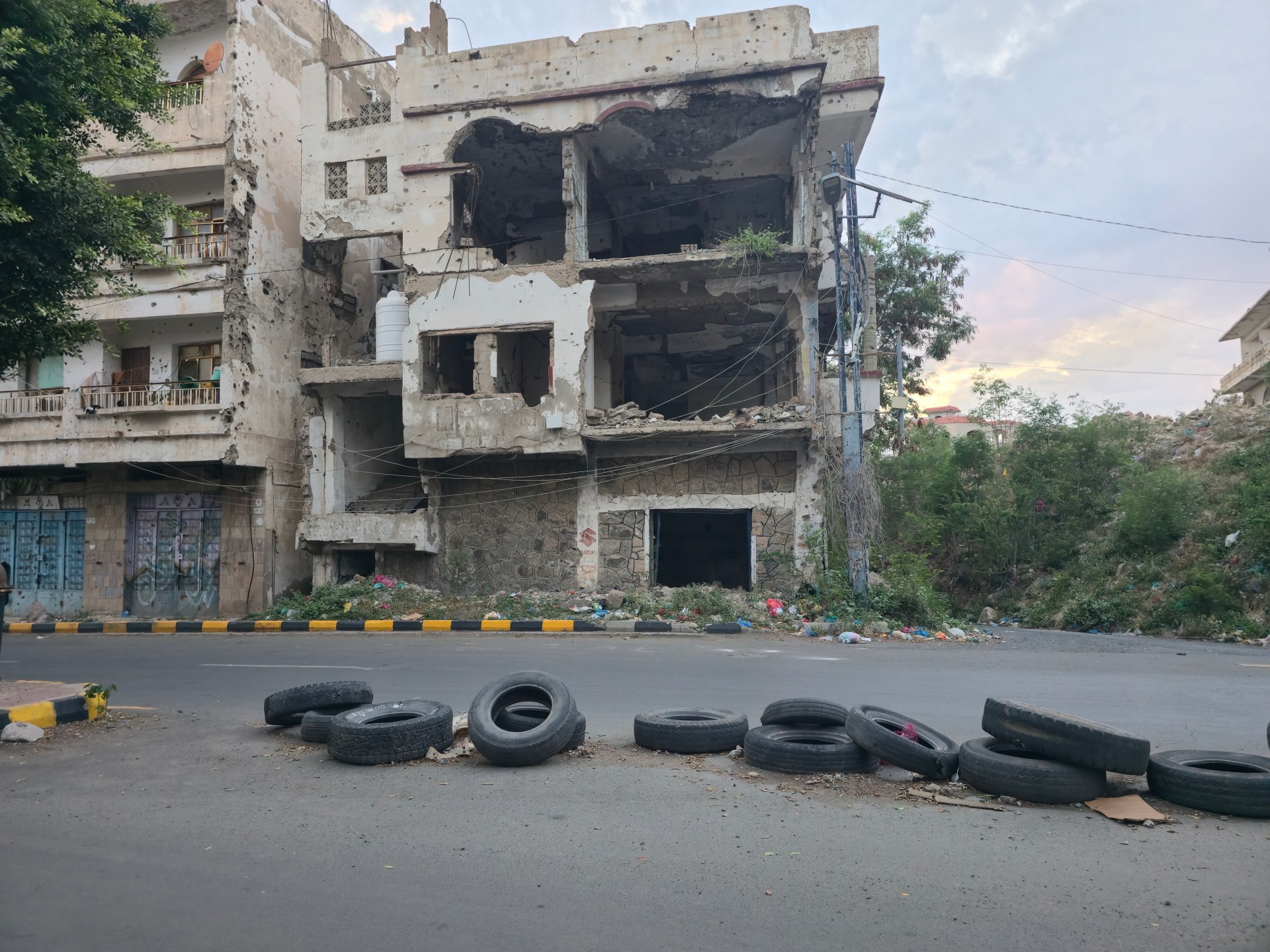
In Taiz, Yemen, a housing crisis is pushing displaced families onto active front lines. Safe apartments in the city center cost around $130 a month — more than most families can afford. So they move to neighborhoods where rent drops to $13, or even free, in exchange for guarding abandoned homes. Those neighborhoods sit directly between government forces and Houthi rebels, with snipers on the hills above.
The toll is stark. Al Jazeera reported that a United Nations monitoring project found 66 percent of all civilian sniper casualties in Yemen last year occurred in Taiz. Nine of the 21 recorded sniper victims were children.
A Mother's $13 Gamble That Cost Her Son
Um Yousef is a single mother who moved to a front-line home in January 2025. She paid about $13 a month. Two months later, her 11-year-old son was shot by a sniper. Al Jazeera reported she knew the risks but had no other choice. Secure housing was simply out of reach.
Her story is not unique. Families across Taiz face the same math. Pay for safety and go hungry. Or pay almost nothing and live under sniper fire. Yahoo News reported that many displaced families have exhausted their savings after years of internal displacement and cannot afford city-center rents.
Taiz's Urban Terrain Makes Sniper Risk Constant
Taiz is built on hilly ground, with a mountain overlooking the city. That geography gives snipers wide, clear lines of sight into residential streets. The front line runs directly through the urban area, not around it. There is no safe buffer zone between fighters and families.
Blaze Trends reported that more than 10,000 homes in Taiz have been damaged or destroyed by a decade of fighting. That scale of destruction shrinks the housing supply dramatically. Fewer livable homes means higher rents in safe areas, which forces the poorest families further toward the front.
Repairs Are Happening, But Far Too Slowly
Aid groups are working to fix homes. The Nahda Makers Organisation reported it repaired 2,389 homes across several governorates. That number sounds large, but it barely dents the destruction. With over 10,000 homes damaged in Taiz alone, rehabilitation efforts are badly outpaced by the scale of need.
Humanitarian aid is also shrinking. Yahoo News reported that families in Taiz rely on dwindling assistance amid a broken economy. With fewer aid dollars and fewer livable homes, the pressure to accept dangerous housing keeps growing. For many families, the front line is not a choice — it is the only door left open.
A Decade of War Leaves Civilians With No Safe Exit
The conflict in Taiz has ground on for ten years. Families have been displaced multiple times. Savings are gone. Jobs are scarce. Al Jazeera reported that the combination of rising rents and a destroyed economy leaves residents with almost no leverage. They cannot negotiate. They take what they can find.
Children are paying the highest price. Nine of Taiz's 21 recorded sniper victims last year were kids. Families know the danger. They move anyway. As Blaze Trends reported, the choice is not between safety and risk — it is between different kinds of survival.
Sentiment
Mostly NegativeNEGATIVENEUTRALPOSITIVE
Publishers
11
Articles
8
Reach
19
A
AnonymousAuthor


