UK Wildfire Outbreak
Dry, Hot Conditions Spark Multiple Wildfires Across UK, Straining Emergency Services
Anonymous
Key Points
1
The Norfolk blaze began at Shouldham Warren near RAF Marham around 1pm on Thursday 30 July; the incident spotlighted cross-county firefighting activity, with crews also tackling a Dunwich Heath wildfire in Suffolk three days later (involving Diss and Gorleston crews).
2
In South Yorkshire, a large grass fire at Waverley between Waverley and Treeton drew a five-engine response around 9:30pm, with earlier firefighting also focused on a Beighton woodland fire and a grass fire on Penrith Road, Shirecliffe.
3
Washington’s Crowther Industrial Estate blaze saw five fire appliances and an aerial ladder platform in attendance; police erected a cordon and traffic restrictions around the site, with smoke visible from major routes including the A1, A194 and Sunderland Highway.
4
At Ingatestone, about 20 firefighters were working on a field fire at Stock Lane, with the road closed and residents urged to keep doors and windows closed while crews used hydrants to access the scene and keep emergency vehicles moving.
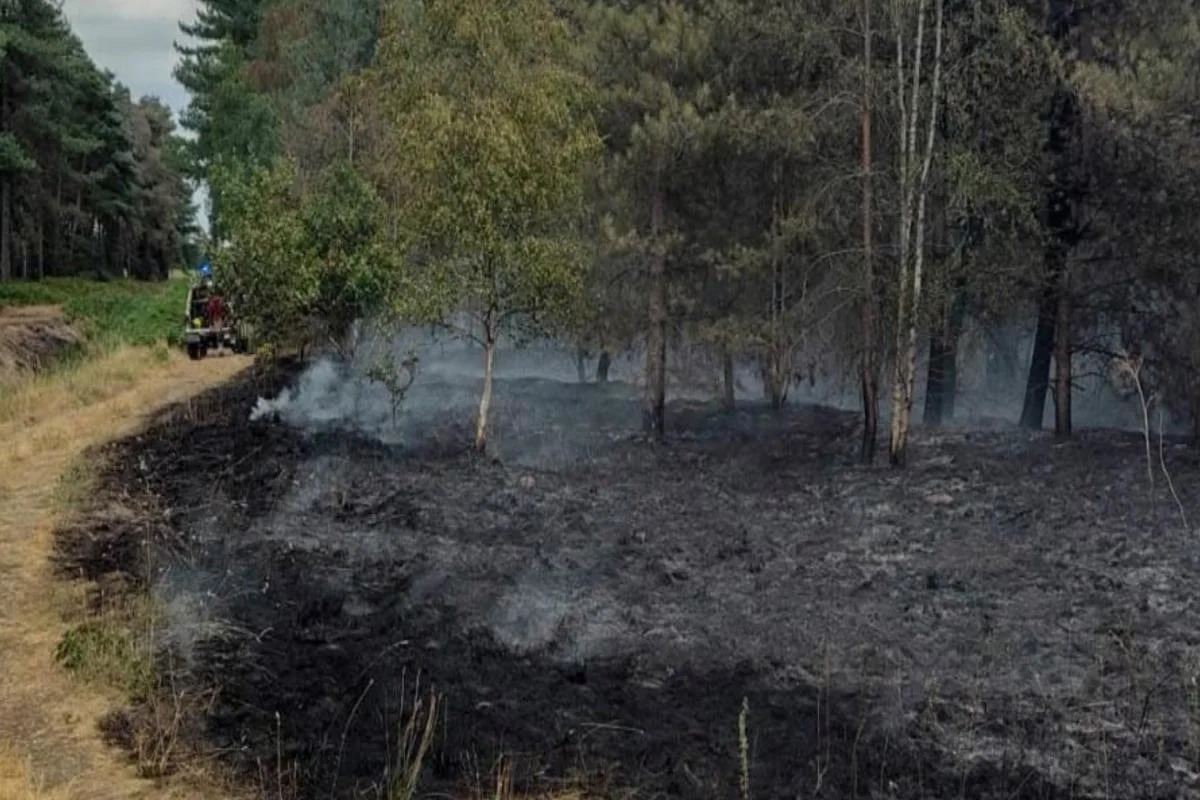
Norfolk firefighters have tackled more than 60 open fires in just one week, according to Yahoo News, as hot and dry conditions turned the county into a tinderbox. The largest of these — a wildfire at Shouldham Warren near RAF Marham — broke out around 1pm on Thursday, July 30, and kept crews busy for two full days after the initial call.
The strain is not limited to Norfolk. Firefighters across England have been battling blazes in South Yorkshire, Washington in Tyne and Wear, and Essex, as a dry spell stretches emergency services thin and prompts warnings to avoid garden fires and barbecues entirely.
Norfolk's Week of Fire: 60-Plus Blazes in Seven Days
Norfolk Fire and Rescue Service called the Shouldham Warren blaze the largest wildfire it had tackled in the past week, according to EDP24. Crews were still at the scene two days after the first call went out. More than 100 firefighters were involved across the county's multiple incidents. A "flash drought" had left the land bone-dry, making fires easy to start and hard to stop.
The fires kept spreading beyond Norfolk's borders. North Norfolk News reported that Diss and Gorleston crews were sent to a wildfire at Dunwich Heath in Suffolk three days after the Shouldham Warren blaze began. Once crews got a fire under control, they spent more hours dampening down hotspots to stop flames from reigniting.
South Yorkshire Grass Fires Trigger Five-Engine Response
Around 9:30pm, South Yorkshire firefighters deployed five engines to a large grass fire at Waverley, between Waverley and Treeton, according to Evening News 24. Earlier that same day, crews had already tackled a woodland fire near Beighton and a separate grass fire on Penrith Road in Shirecliffe. Dry conditions were driving repeated 999 calls across the region.
Fire services in the area urged the public to avoid lighting garden fires and barbecues during the dry spell. Each new fire pulled engines away from standby, leaving fewer resources available for the next emergency call.
Washington Factory Blaze Sends Smoke Across Major Roads
In Washington, Tyne and Wear, five fire appliances and an aerial ladder platform responded to a blaze at Crowther Industrial Estate, according to Great Yarmouth Mercury. Police set up a cordon and closed nearby roads. Smoke from the fire was visible from major routes including the A1, the A194, and Sunderland Highway. Residents were told to stay well clear of the area.
Essex Field Fire Closes Road and Traps Residents Indoors
About 20 firefighters tackled a field fire on Stock Lane in Ingatestone, Essex. Crews closed the road to keep emergency vehicles moving and used hydrants to fight the flames. Residents near the fire were told to keep their doors and windows shut to avoid smoke getting inside their homes. The blaze was one of several field fires reported across England on the same day.
Sentiment
Mostly NegativeNEGATIVENEUTRALPOSITIVE
Publishers
14
Articles
22
Reach
36
A
AnonymousAuthor


