Better Public Transit
Communities Nationwide Push for Faster Transit and Better Accessibility Upgrades
Anonymous
Key Points
1
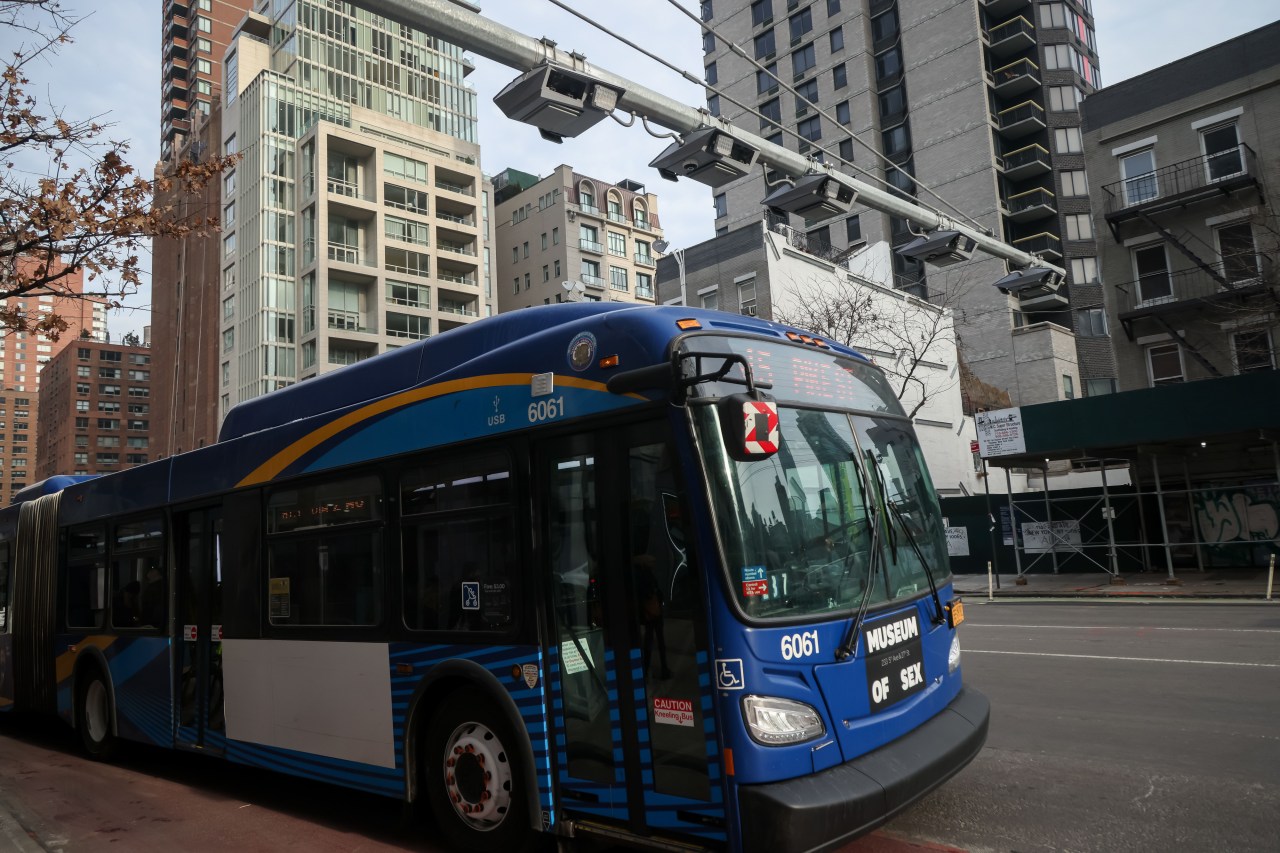
The proposed Manhattan upgrades include physically protected and center-running bus lanes with boarding islands, all-door boarding, traffic-signal priority and retimed traffic lights. CB6 is seeking these measures as an initial step toward fully developed BRT corridors.
2
The M15 and M15 Select Bus Service carry about 57,000 riders each day and 16 million riders annually, according to a CB6 Transportation Committee member who called it the busiest bus route in the United States.
3
Charleston-area planners intend the neighborhood framework plans to guide city and regional spending and grant priorities over the next decade, while allowing recommendations to be adapted to different neighborhoods.
4
Harrisonburg’s language-access effort reflects substantial demographic change: more than 17% of residents were foreign-born in the 2020 census, and the city’s Latino population more than doubled from 2009 to 2024, reaching more than 23% of the population in recent estimates.
5
The southwest Brooklyn accessibility campaign is being led by Assemblyman William Colton and City Councilmember Susan Zhuang, alongside Democratic district leaders Larry He and Joyce Xie, who joined residents for a petition drive outside the Bay Parkway station.
Cities across America are pushing bold upgrades to make buses faster, more accessible and better tailored to their communities. In Manhattan, Community Board 6 voted 42-1 to demand the MTA create a protected bus rapid transit corridor on First and Second avenues, targeting the nation's busiest bus route—the M15, which carries 57,000 riders daily. PIX11 Meanwhile, Charleston is planning a 21-mile rapid transit corridor with dedicated lanes and better stations, while Harrisonburg has added bilingual announcements to welcome its rapidly growing Latino population.
Manhattan's Push for Protected Bus Lanes on M15
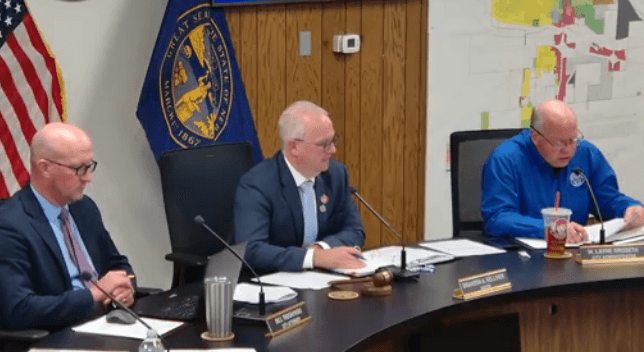
Community Board 6's near-unanimous vote signals strong momentum for transforming the M15, which serves 16 million riders annually across Manhattan's east side. The proposed upgrades include physically shielded bus lanes running down the center of First and Second avenues, dedicated boarding islands, and all-door boarding to speed up stops. News12 Bronx The board is also demanding traffic-signal priority and retimed lights to keep buses moving through congestion.
These changes represent an initial step toward a fully developed bus rapid transit corridor—a model proven effective in cities like Bogotá and Cleveland. CB6 framed the vote as urgent: the M15 crawls through some of Manhattan's densest neighborhoods, and protected lanes would give it dedicated space instead of competing with car traffic.
Charleston's Long-Range Vision for Regional Transit
Planning officials in the Charleston area are building the Lowcountry Rapid Transit corridor with direct input from residents and neighborhoods. The 21-mile system will feature dedicated bus lanes, modernized stations, and improved walking and biking connections designed to serve both transit riders and pedestrians. Newsy Today Planners intend these neighborhood framework plans to guide city and regional spending priorities over the next decade.
A key feature is the integration of attainable housing near stations—a strategy to prevent displacement as transit improvements increase property values. Different neighborhoods will adapt recommendations to fit local character and needs, giving communities real agency in shaping development patterns rather than imposing one-size-fits-all solutions.
Harrisonburg Embraces Language Access for Immigrant Riders
Harrisonburg's Inner Campus Shuttle now broadcasts announcements in both English and Spanish, reflecting explosive demographic change in the city. Between 2009 and 2024, the Latino population more than doubled, reaching over 23% of residents. ABC7NY The 2020 census showed more than 17% of residents were foreign-born, making language-accessible transit a practical necessity.
This effort acknowledges that transit systems must serve the people who actually use them. Bilingual announcements cost little but signal welcome to immigrant communities and reduce confusion on buses and shuttles—a model other growing cities could replicate.
Brooklyn Residents Demand Elevator Access at Subway Stops
Southwest Brooklyn lawmakers and residents are waging a petition campaign to force the MTA to add elevators and improve accessibility at stations throughout the borough. Penticton Herald Assemblyman William Colton and City Councilmember Susan Zhuang, along with district leaders Larry He and Joyce Xie, organized a drive outside Bay Parkway station to gather signatures and publicize the issue.
The campaign highlights a persistent accessibility gap: many older NYC subway stations lack elevators, making them impassable for wheelchair users, parents with strollers, and elderly riders. This is not a new problem, but renewed grassroots pressure is forcing it back onto the MTA's agenda.
Sentiment
Mostly NegativeNEGATIVENEUTRALPOSITIVE
Publishers
15
Articles
6
Reach
21
A
AnonymousAuthor