IDF Readiness Drill
IDF Launches Surprise Nationwide Readiness Drill Amid Heightened Regional Tensions
Anonymous
Key Points
1
Chief of Staff Lt. Gen. Eyal Zamir personally monitored the exercise from both the IDF’s underground Supreme Command Post and field positions.
2
IDF Comptroller officers serving in both active-duty and reserve roles conducted inspections of units and headquarters nationwide to evaluate operational readiness and compliance.
3
The exercise is part of the Operations Directorate’s scheduled 2026 exercise program and is intended to reinforce readiness at every level, from regional commands and branches to the General Staff.
4
The Jerusalem Post reported that Israeli intelligence assessments allege Iran is seeking to coordinate a simultaneous campaign involving Hezbollah, Hamas, the Houthis and pro-Iranian militias in Iraq, with renewed coordination between Hamas and Hezbollah reportedly receiving Iranian assistance.
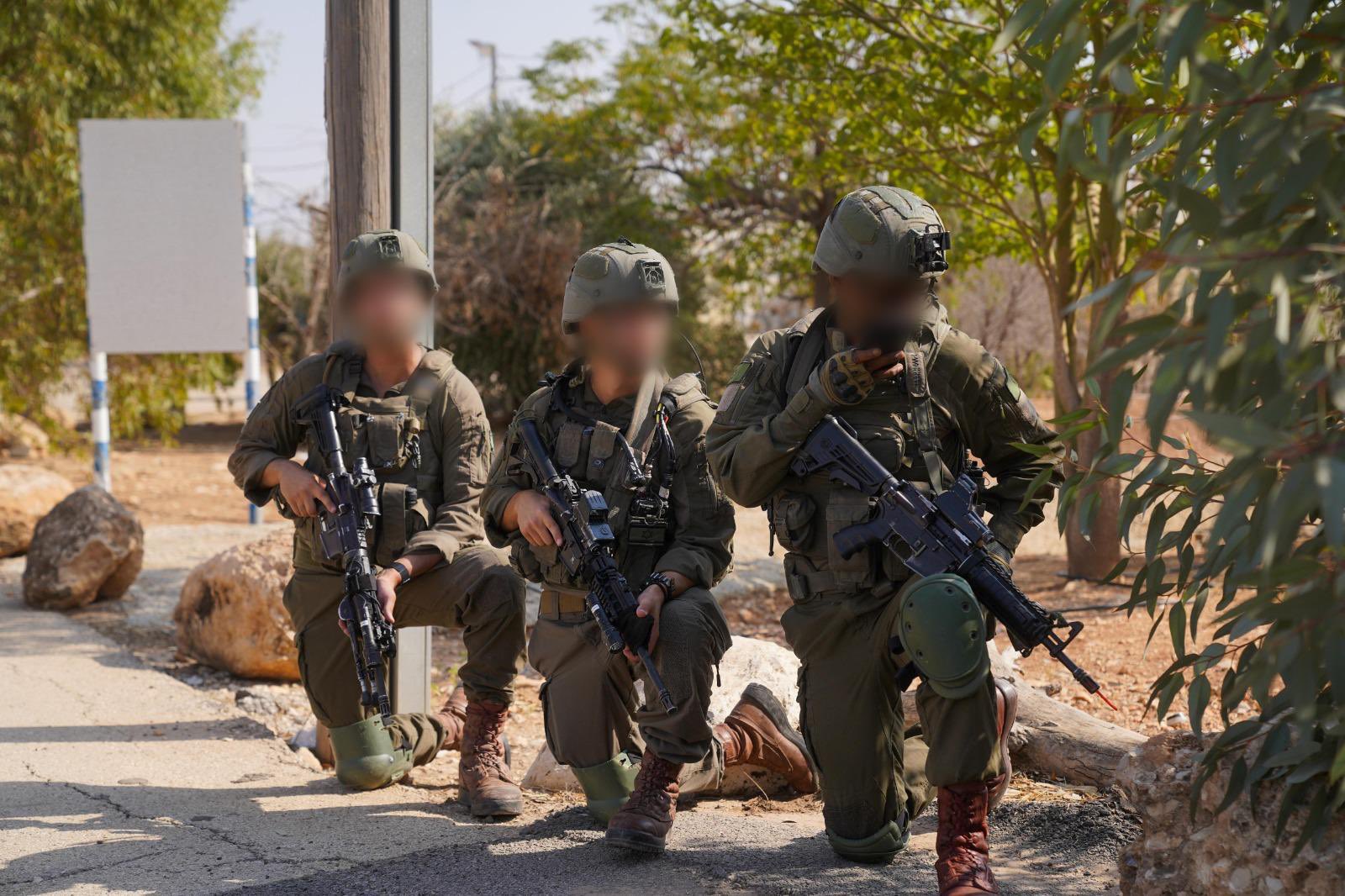
The Israel Defense Forces launched a surprise nationwide drill called 'Breaking Dawn 2.0' to test how it would respond to sudden, large-scale attacks across multiple fronts, i24news reported. Led by Chief of Staff Lt. Gen. Eyal Zamir, the exercise assessed command decision-making, reserve mobilization, and coordination between regional commands—skills the IDF refined during combat since the October 7, 2023 Hamas attack.
The unannounced drill comes as Israeli intelligence warns that Iran may be coordinating a simultaneous campaign involving Hezbollah, Hamas, Yemen's Houthis, and militias in Iraq, Jerusalem Post reported. Troops and aircraft moved visibly across the country, prompting the IDF to clarify that no active security incident was occurring.
The Shift to Multi-Front Readiness
Since October 7, the IDF has shifted from preparing for isolated threats to testing continuous national mobilization across multiple theaters. i24news reported that Breaking Dawn 2.0 evaluated how well headquarters, regional commands, and branches could coordinate under pressure. The exercise reinforced readiness from the General Staff down to individual operational units, embedding lessons learned from recent combat into standard procedure.
Chief of Staff Zamir personally monitored the drill from both the IDF's underground Supreme Command Post and field positions, ensuring that decision-making under stress was tested at the highest level. IDF Comptroller officers inspected units and headquarters nationwide to verify operational readiness and compliance with protocols.
Simultaneous Threats From Iran-Aligned Groups
Israeli intelligence has assessed that Iran is orchestrating coordination among Hezbollah in Lebanon, Hamas in Gaza, Yemen's Houthis, and pro-Iranian militias in Iraq, according to Jerusalem Post reporting. Hamas and Hezbollah have reportedly renewed their coordination with Iranian assistance, creating the risk of synchronized pressure on multiple Israeli borders.
The exercise tested whether the IDF could manage simultaneous operations across Lebanon, Gaza, Yemen, and Iraq without straining shared command systems, intelligence prioritization, reserves, or logistics. A coordinated attack would stress cross-front decision-making speed and quality—the central vulnerability the drill was designed to expose and remedy.
Why Surprise Drills Reduce Miscalculation Risk
The unannounced character of Breaking Dawn 2.0 meant that visible movements of troops and aircraft across Israel could have been misinterpreted by adversaries as signs of imminent military action. ynetnews reported that the IDF's explicit statement clarifying no security incident was occurring helped prevent escalation while preserving the training value of realistic mobilization.
A well-publicized readiness exercise can improve deterrence by demonstrating preparedness. Yet the timing—ahead of the High Holidays and amid heightened regional tensions—signals to Iran-aligned groups that the IDF is prepared to respond to coordinated threats. The exercise balances operational realism with transparent communication to reduce the risk of miscalculation.
Sentiment
Mostly PositiveNEGATIVENEUTRALPOSITIVE
Publishers
17
Articles
7
Reach
24
Topics
A
AnonymousAuthor


